
“…We respectfully urge that footwear does not become an unintended casualty of this investigation. Additional tariffs on Brazilian footwear would increase costs for American businesses and families without advancing the broader objectives of an American First trade policy,” he said.
A top official of the American Apparel & Footwear Association recently testified at the USTR’ Section 301 hearing on Brazil, urging against additional tariffs on footwear imported from there.
Additional tariffs on Brazilian footwear would increase costs for American businesses and families without advancing the broader objectives of an American First trade policy,” he said.
“We respectfully ask that Chapter 64 of the Harmonized Tariff Schedule of the United States be excluded from any additional tariff action resulting from this investigation,” added Hughes.
In 2025 alone, US companies paid nearly $61 million in tariffs on footwear imported from Brazil.
Despite the significant US value embedded in these products—including intellectual property, leather and textile inputs—footwear still faced an average trade-weighted tariff rate of 23.5 per cent in 2025, compared with just 7.8 per cent across all imported products, Hughes noted.
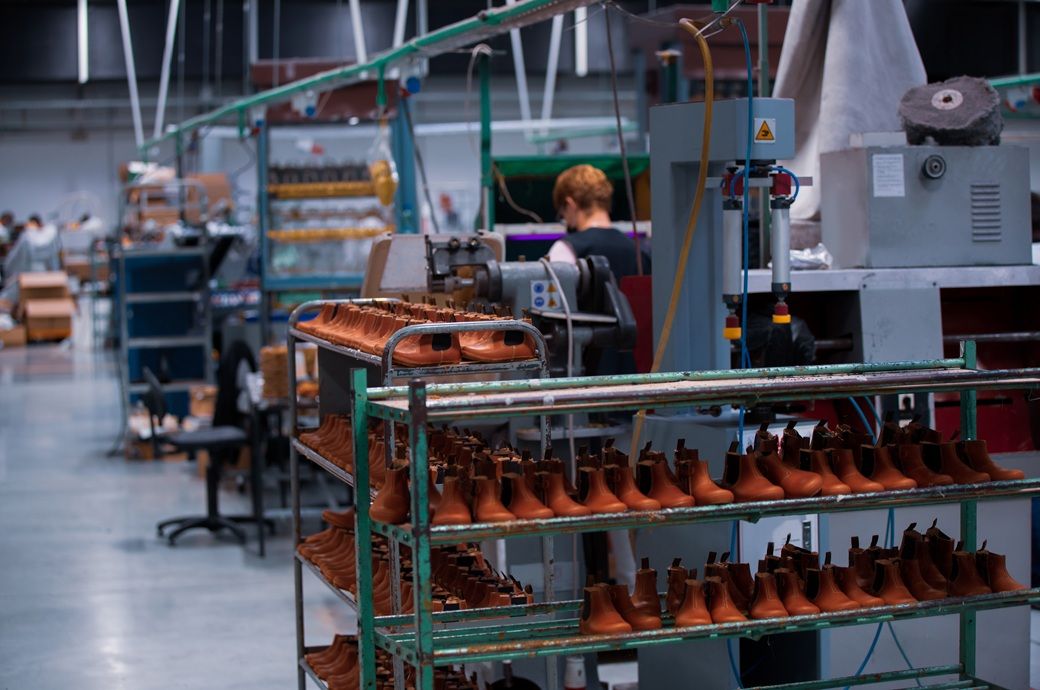
Brazil is a critical sourcing alternative for US brands and retailers. Its footwear exports to the United States are concentrated in leather footwear, representing nearly 72 per cent of imports in 2025, valued at $157.7 million, or 5.66 million pairs, he said.
“Adding tariffs on Brazilian footwear—or even creating uncertainty about additional tariffs—risks shifting sourcing to other countries where trade concerns are even more significant. That outcome would do little to address the underlying issues this investigation seeks to resolve,” he said.
Overall US footwear prices are up by 5.2 per cent compared with May 2025. Men’s footwear prices are up by 5.4 per cent, women’s footwear by 6.2 per cent and children’s footwear by 2.3 per cent.
“At the same time, continued uncertainty surrounding tariff policy makes these challenges even greater. It disrupts sourcing decisions, undermines long-term business planning, and increases costs throughout the supply chain. Greater certainty and predictability in trade policy are essential to strengthening US competitiveness and supporting domestic manufacturing,” Hughes added.
Fibre2Fashion News Desk (DS)