
From major metropolitan hubs to key junctions connecting multiple routes, these stations handle millions of people and thousands of trains every day.

 1/11
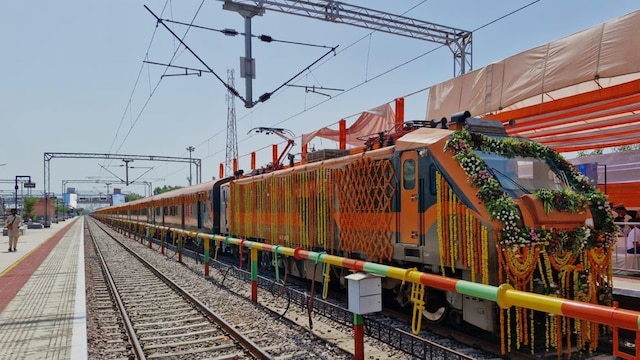
1/11India has one of the largest railway networks in the world, helping millions of passengers commute every day. At the heart of this vast system are railway stations that operate around the clock, handling an enormous volume of trains and travelers on a daily basis. From major metropolitan hubs to key junctions connecting multiple routes, these stations never slow down. While there is no official Indian Railways ranking of the busiest railway stations, here’s a look at the top 10 busiest railway stations in India based on widely accepted estimates (Image X)
 2/11
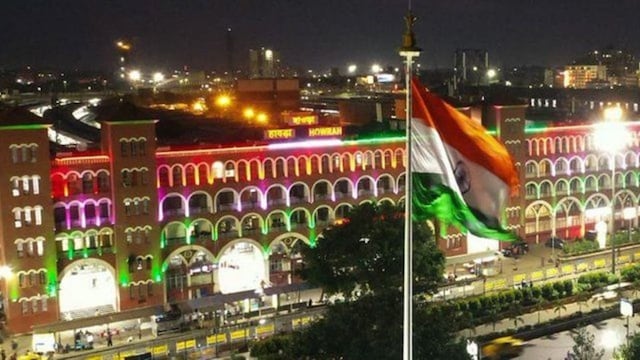
2/11Howrah Junction – Kolkata, West Bengal | Howrah Junction is the largest, oldest, and busiest railway complex in India, handling over 1 million passengers and 1,000 trains daily. The Junction is located in Howrah, West Bengal, and operates 23 active platforms across two major complexes, making it the highest-train-handling-capacity station in the country. (Image X)
 3/11
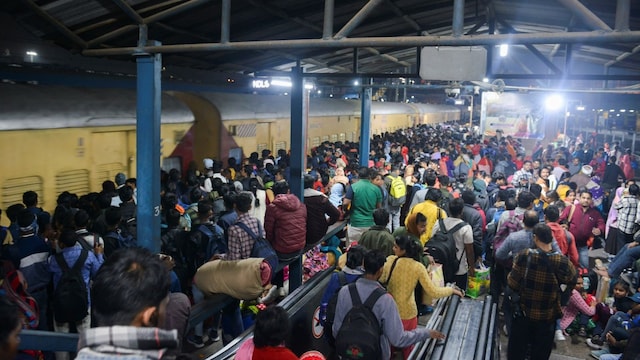
3/11New Delhi Railway Station – Central Delhi | New Delhi Railway Station is one of the busiest and most prominent transit hubs in India. Located only 2 km north of Connaught Place, it handles over 500,000 passengers and manages more than 350 to 400 train movements daily. (Image Reuters)
 4/11
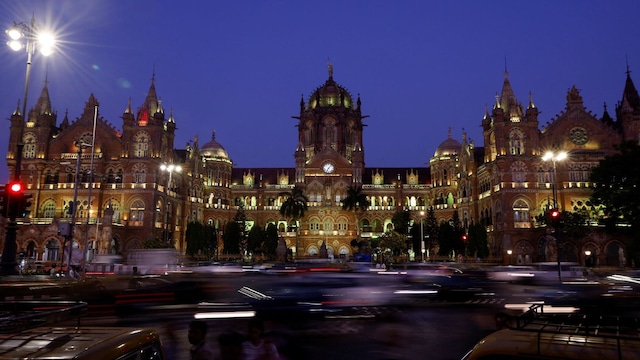
4/11Chhatrapati Shivaji Maharaj Terminus – Mumbai, Maharashtra | Serving as the headquarters of the Central Railway, Chhatrapati Shivaji Maharaj Terminus acts as a massive getaway for both long-distance and suburban Mumbai trains. It is one of the busiest railway stations in India, handling over a million commuters and hundreds of trains daily. It is also a UNESCO World Heritage site known for its iconic Victorian-Gothic architecture designed by Frederick William Stevens. (Image Reuters)
 5/11
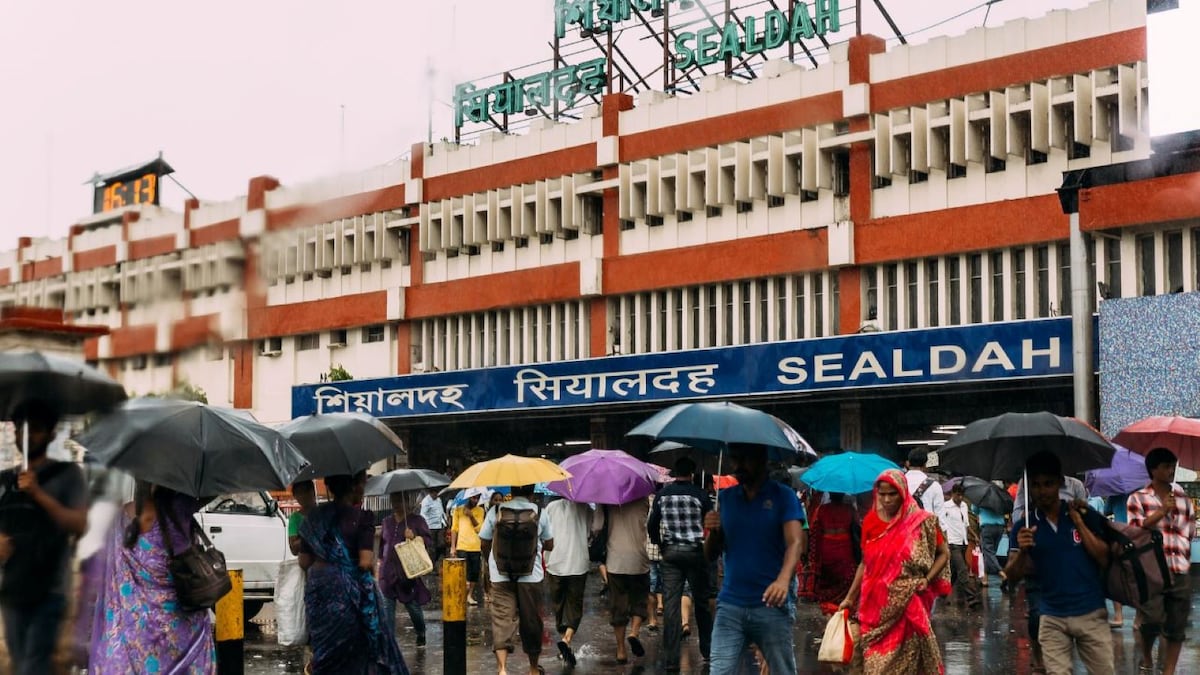
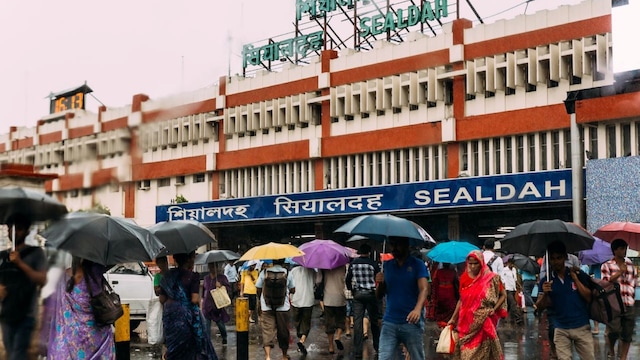
5/11Sealdah Railway Station – Kolkata, West Bengal | Located in central Kolkata, it is one of the busiest and largest railway terminals in India and the world. It handles an immense daily footfall of millions of passengers across 21 platforms. This railway station serves both suburban commuter networks and long-distance trains. (Image Shutterstock)
 6/11
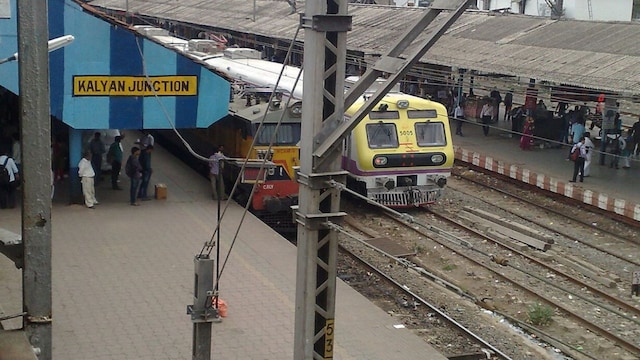
6/11Kalyan Junction – Mumbai, Maharashtra | Located 54 km northeast of Mumbai, it handles roughly 360,000 to 800,000 passengers and hundreds of trains daily across its multiple platforms. As a major split point on the Central Railway network, Kalyan directs trains toward the north-east (Kasara) and south-east (Karjat/Pune) lines. (Image Wikimedia Commons)
 7/11
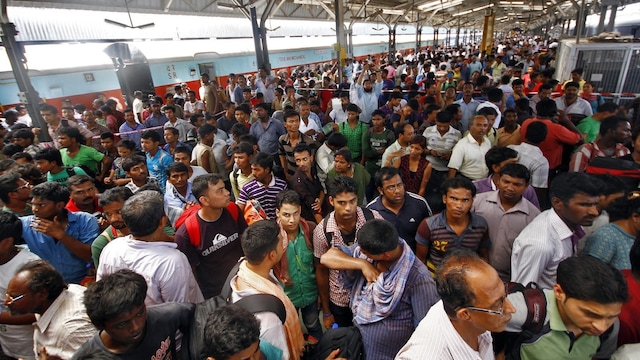
7/11Chennai Central – Chennai, Tamil Nadu | South India’s busiest railway hub, Chennai Central, serves approximately 550,000 to 730,000 passengers daily. The century-old British-era terminal connects the city to major national hubs like Bengaluru, New Delhi, Mumbai, and Kolkata. (Image Reuters)
 8/11
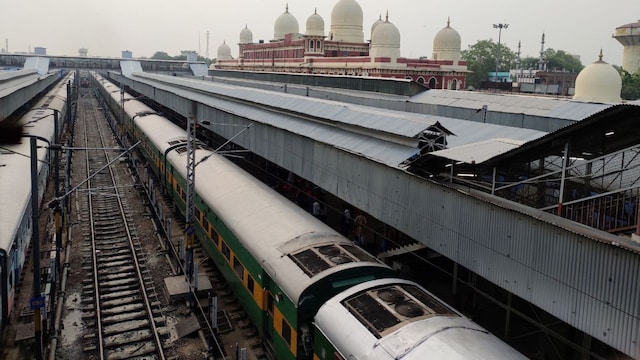
8/11Kanpur Central – Kanpur, Uttar Pradesh | Kanpur Central is one of the busiest stations in the country in terms of train traffic, facilitating around 230 regular mail, express, and premium trains daily. It also serves as a vital junction connecting northern and eastern India along the Delhi-Howrah trunk route. l (Image Shuttterstock)
 9/11
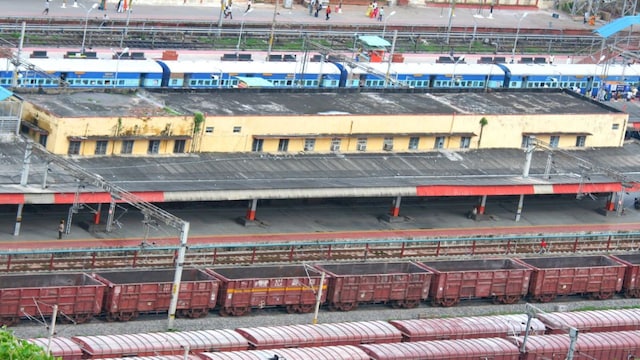
9/11Vijayawada Junction – Vijayawada, Andhra Pradesh | Situated in Andhra Pradesh, it handles a massive daily footfall of thousands of passengers and manages roughly 760 trains every single day, making it the busiest in India by train frequency. It is a critical tri-junction connecting the North-South (Delhi–Chennai) and East Coast (Howrah–Chennai) main lines. (Image Shutterstock).
 10/11
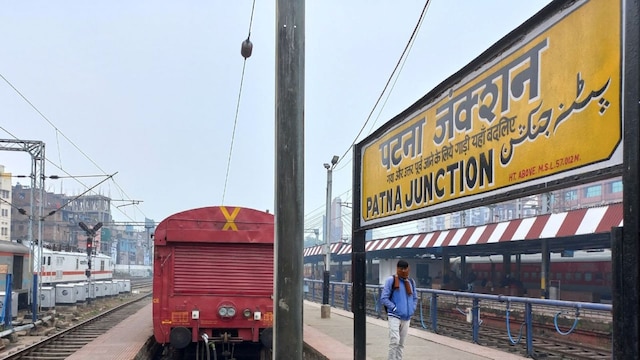
10/11Patna Junction – Patna, Bihar | Acting as a primary transit hub in Bihar, Patna Junction roughly handles over 100,000 to 200,000 passengers daily. Located right in the heart of the city, it features 10 platforms and sees over 770 daily train movements, with 173 scheduled passenger trains passing through daily. . (Image Shutterstock)
 11/11
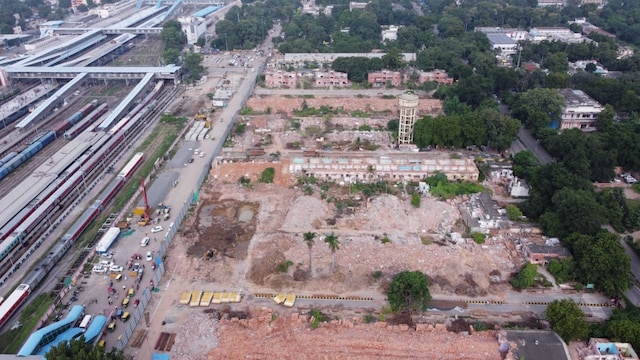
11/11Prayagraj Junction – Prayagraj, Uttar Pradesh | Prayagraj Junction is one of the busiest and most significant railway hubs in North India. It handles a heavy daily footfall and manages over 320 unique trains. Serving as the headquarters for the North Central Railway (NCR) zone, it acts as a critical transit point connecting the northern, southern, eastern, and western corners of India. (Image X)