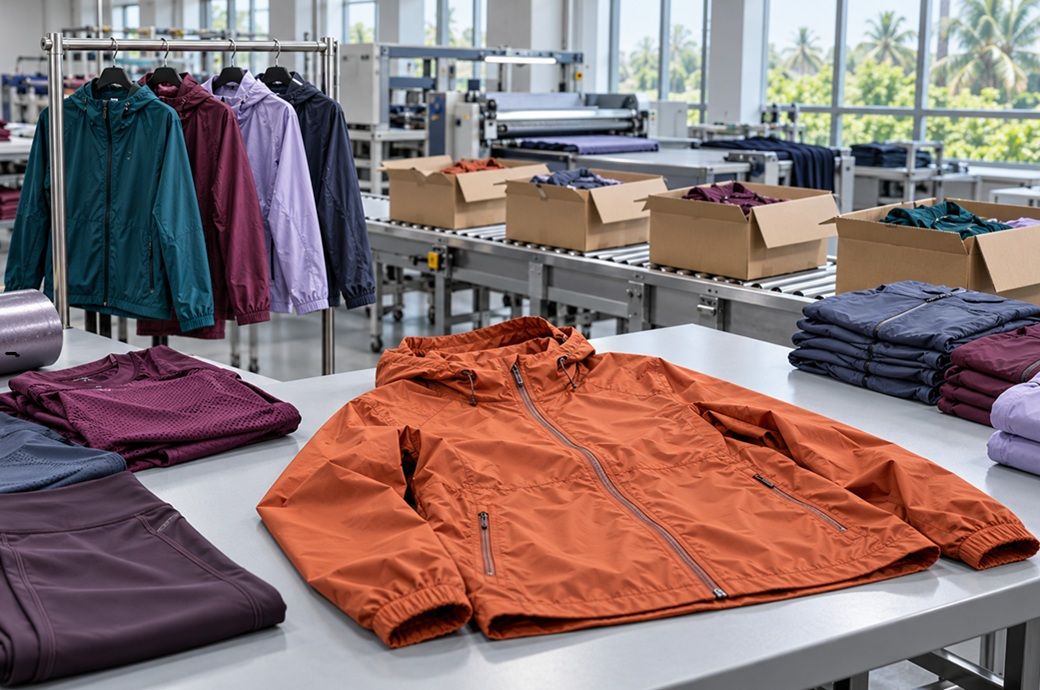

While its share of finished garment exports has slightly softened due to rising labour costs and diversification, China still produces a massive share of the world’s clothing.
China’s dominance stems from its unmatched manufacturing ecosystem: sprawling industrial clusters, world-class infrastructure, enormous production capacity, and a deeply integrated supply chain that allows it to deliver speed, scale, and efficiency like no other.
While China continues to dominate global apparel exports, competition between Bangladesh and Vietnam is intensifying amid shifting sourcing trends.
Bangladesh retains strength in low-cost, large-scale garment manufacturing, while Vietnam benefits from diversified products, faster logistics, stronger FTAs and quicker raw material access, strengthening its position in higher-value apparel exports.
While China’s supremacy remains largely unmatched, evolving sourcing dynamics have brought to the fore the brewing battle beneath, which is hogging the limelight. The real action in the global apparel trade is now centred on an increasingly fierce rivalry between Bangladesh and Vietnam, the two apparel export powerhouses fighting for supremacy.
Bangladesh, considered second only to China in manufacturing strength and export prowess, reportedly ceded its number two position to Vietnam in 2020. That year, Vietnam reportedly clocked exports worth $29.80 billion, overtaking Bangladesh, with exported garments valued at an estimated $27.47 billion.
Bangladesh, however, reportedly bounced back quickly, reclaiming the second position in 2021 and holding onto it through 2024.
Since then, the competition has only intensified.
In 2025, Vietnam reportedly reclaimed the lead again, pushing Bangladesh to third place. Reports citing data from various sources claimed Bangladesh exported apparel worth $38.82 billion in 2025, while Vietnam’s textile and apparel industry surged slightly ahead with total exports of $39.64 billion, with some estimates putting apparel alone near $38-$39 billion.
The narrowing gap between the two countries reflects more than just export figures. It highlights a shift in the global apparel manufacturing landscape, with Bangladesh and Vietnam competing through distinctly different models and strengths.
Bangladesh continues to thrive on one of its biggest competitive advantages: low-cost labour. Its garment industry remains heavily focused on high-volume, price-sensitive manufacturing, allowing the country to dominate the basic segment.
Massive production capacity and cost competitiveness have helped Bangladesh become a preferred sourcing destination for global brands and retailers seeking affordability and scale.
For Vietnam, the story is somewhat different. The country has steadily transformed itself into a more sophisticated and diversified manufacturing hub, focusing increasingly on higher-value products, greater efficiency, and advanced production capabilities.
Vietnam’s apparel sector benefits from a broader and more diversified product portfolio across both high- and mid-value categories, while Bangladesh remains largely dependent on a limited range of products.
As per some estimates, around five major product categories account for the bulk of Bangladesh’s apparel exports.
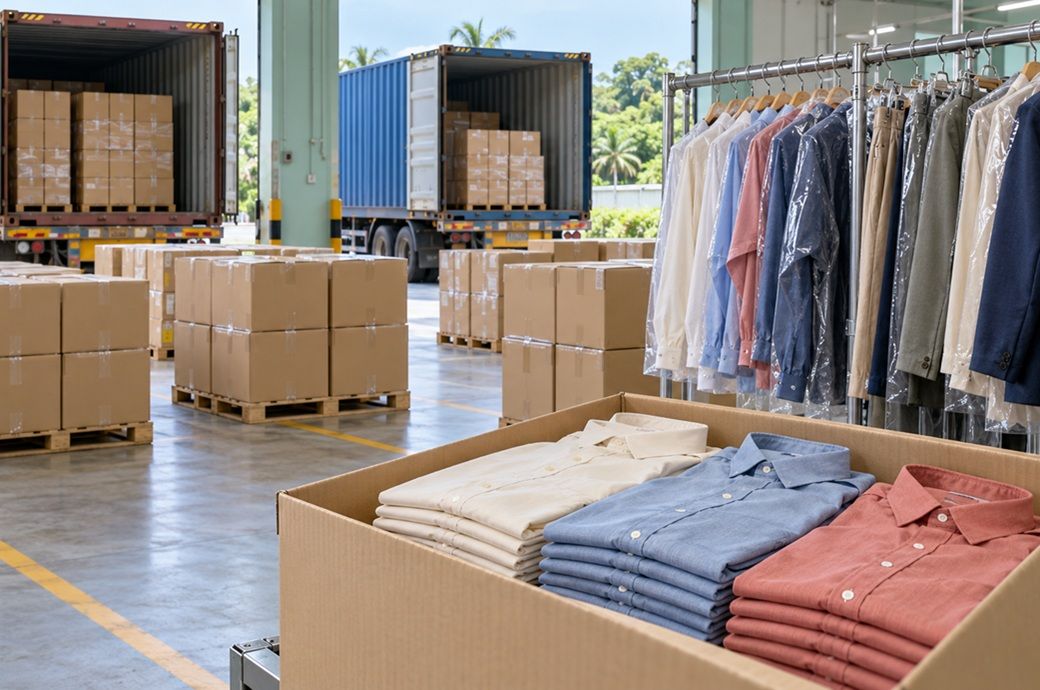
Vietnam’s edge extends well beyond product diversification. The country also enjoys faster lead times, stronger logistics infrastructure, and significantly broader market access through multiple Free Trade Agreements (FTAs).
Efficient ports, smoother industrial ecosystems, and quicker turnaround times enable Vietnam to respond rapidly to the changing demands of global buyers.
Its strategic proximity to China also gives Vietnam a major advantage in sourcing raw materials. While Vietnam can procure materials within a week, Bangladesh may require nearly a month for similar sourcing cycles, impacting further delivery schedules and production timelines, as cited by some industry insiders.
In an industry where speed determines competitiveness, such delays can prove costly.
Meanwhile, the global geopolitical shifts and the push to diversify sourcing away from China are reportedly creating massive opportunities for both Bangladesh and Vietnam. As brands and retailers look beyond China to de-risk their supply chains, both countries stand to gain significantly from shifting trade dynamics.
However, for Bangladesh, the challenge lies in evolving beyond its traditional low-cost manufacturing identity. Experts believe that increased foreign direct investment (FDI) in the apparel sector is becoming crucial if the country aims to move into higher-value segments and strengthen long-term competitiveness.
The urgency is expected to grow even further as Bangladesh graduates from its Least Developed Country (LDC) status, stripping away certain duty advantages currently enjoyed by the country.
To stay ahead, industry people maintain that Bangladesh needs a more strategic trade framework, including a stronger push toward Free Trade Agreements (FTAs) and Preferential Trade Agreements (PTAs) tailored to support its export ambitions.
Faster supply chains, improved worker productivity, and greater operational efficiency across factories are also emerging as critical priorities.
With global sourcing strategies rapidly shifting and brands aggressively scouting alternatives to China, the Bangladesh-Vietnam contest, many believe, is only set to intensify.
Fibre2Fashion News Desk (DR)