
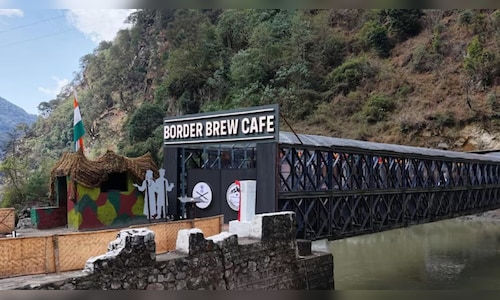
Located near a sensitive border area, the site retains the structure of the original bridge while adapting it for public use. The intervention does not alter the core framework, but adds seating and enclosed sections to make it accessible to visitors.
ALSO READ | How lenders are eyeing North East hospitality projects amid rising demand
Its layout follows the line of the bridge itself. Seating has been placed along the span, so visitors are positioned directly above the river, with water flowing beneath. A separate section along the riverbank extends the space, offering a different way to sit within the same setting. Both sections look out onto the surrounding landscape. Glass panels frame the view, keeping the mountains, valley and sky in constant view.
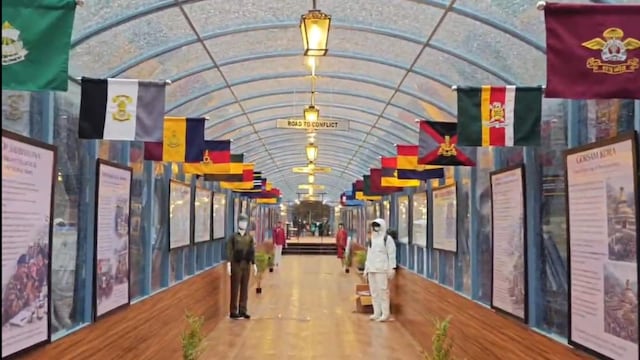
The café is run by women from the Monpa community, who handle its daily operations. The model links the space to the local population, with the café functioning as both a visitor stop and a locally managed facility.
Zemithang has remained relatively quiet on travel routes, despite its landscape and proximity to monasteries.
ALSO READ | Planning a summer trip? Act fast as West Asia conflict jacks up fuel costs, shuts off destinations
(Edited by : Shoma Bhattacharjee)