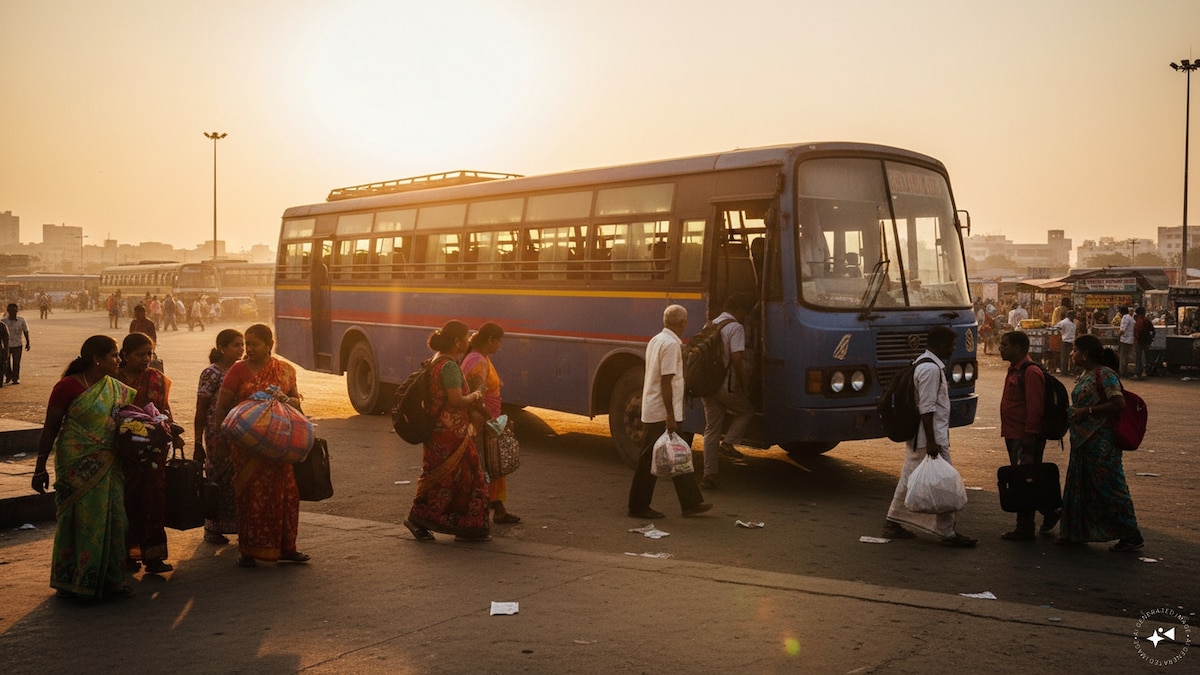


Women now account for 33% of intercity bus travellers, up from 23% in 2019, based on platform data between 2019 and 2025.
Solo travel is also rising among women passengers, particularly among younger travellers. Gen Z women aged 14-29 make up 60% of all women bus passengers and account for 68% of solo women trips.
The increase in women’s bus travel has been recorded across regions. South India reported the highest participation, with women travellers rising from 24% in 2019 to 34% in 2025. Other regions also saw gains, with the West increasing from 23% to 31%, the East from 21% to 30%, and the North from 20% to 28%.
Also Read: 91% of global travellers use AI travel planners, but lack of trust persists: Survey
An index measuring ease of travel for women across states ranks Assam, Kerala, Andhra Pradesh, Punjab and Telangana among the top five. The categorisation is based on multiple factors, including the national share of women travellers, the proportion of solo women travellers and the number of long-distance journeys above 500 kilometres undertaken by women.
Travellers from smaller towns account for a large share of these journeys, with 68% of women bus travellers originating from tier-2 and tier-3 towns.
Also Read: Domestic, global airfares climb amid surging fuel prices
Booking behaviour also differed by gender. Around 62% of women book bus tickets at least one day before travel, compared with 48% of men who book that early.
Travel decisions among women passengers are also influenced by peer feedback and safety-related signals. About 47% prefer buses that are highly rated by other women passengers, while 33% check how many other women have already booked seats on the same bus. During journeys, staff behaviour (50%) was cited as the most important factor, followed by the ability to share live tracking with trusted contacts (48%).
Also Read: How women are balancing savings, digital payments and lifestyle spending
(Edited by : Shoma Bhattacharjee)