
The budget’s focus on streamlining import duties, reducing input costs, improving cost competitiveness and simplifying procedures is likely to boost cost efficiency and operational performance and flexibility, it noted. This will enhance Indian exporters’ competitiveness in global markets.
Additionally, the India-EU FTA significantly improves market access and export competitiveness.
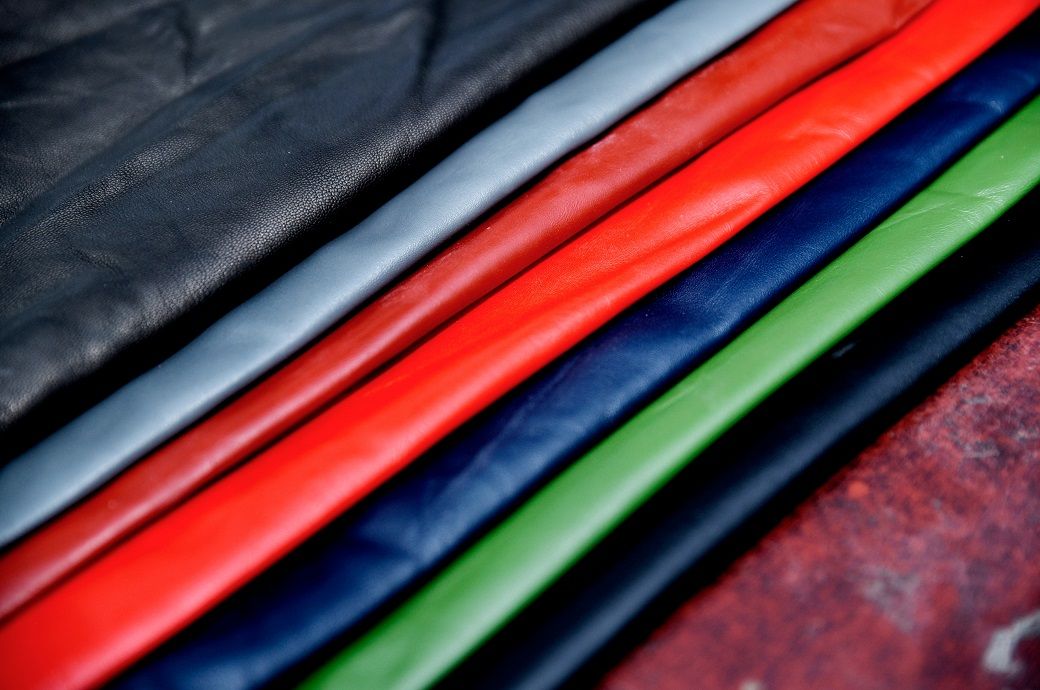
India’s FY27 budget, along with the completion of the India-EU FTA and the recent cut in US import tariffs, collectively create a positive policy environment for India’s leather industry, according to CareEdge Ratings.
India emerges as the principal gainer, with tariffs falling sharply from around 17 per cent to nil in FY26, thereby enhancing its cost competitiveness and export potential, it observed.
Given the industry’s existing focus on finished footwear, leather goods, and garments, the improved trade environment strengthens its ability to scale exports, stabilise demand and deepen engagement with global buyers, enabling the Indian leather industry to capture a larger market share in the medium to long term, CareEdge Ratings remarked.
Together, these developments are expected to generate cost efficiencies, thereby improving profitability margins for the sector.
India emerges as the principal gainer, with tariffs falling sharply from around 17 per cent to nil in FY26, thereby enhancing its cost competitiveness and export potential, it observed.
The removal of these duties under the new agreement is expected to improve India’s relative value proposition and drive a material expansion in demand, particularly from major European fashion houses in Italy, France and Germany, it added.
Fibre2Fashion News Desk (DS)