
Last Updated:
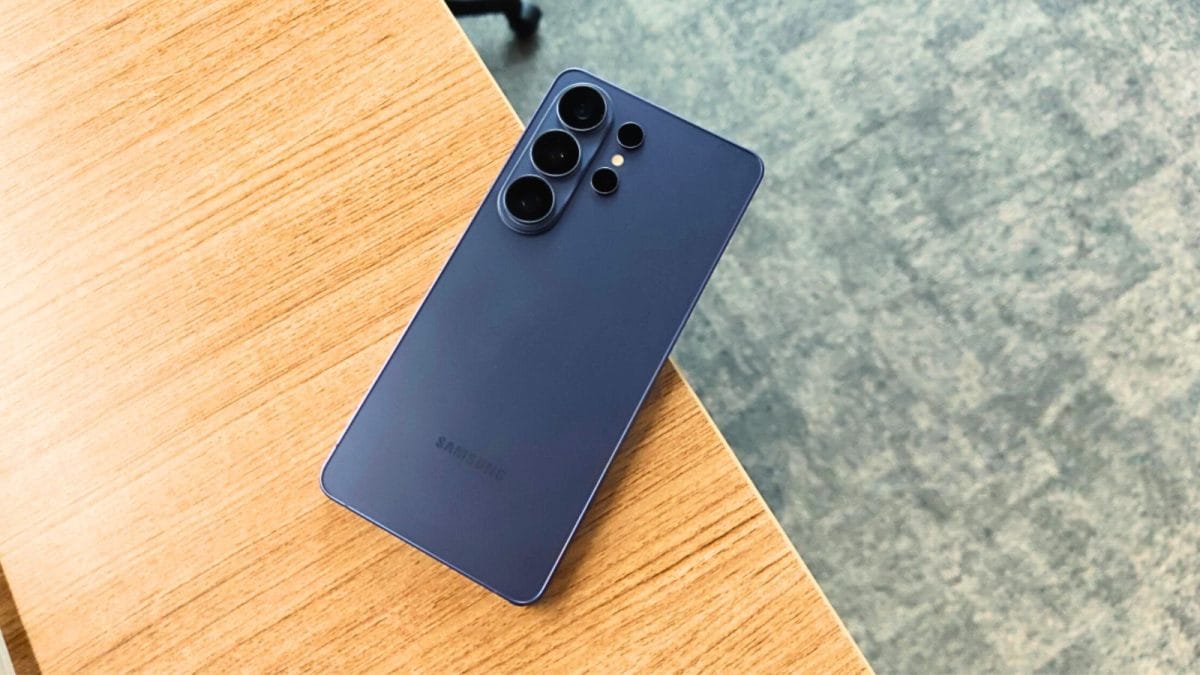
Android 17 is unlikely to get a big overhaul from Google but we could have subtle changes to the interface that will be visible.



Android 17 could go for a blur effect and not copy Apple’s changes.
Google is planning for its own Android UI overhaul this year with the Android 17 version. We saw Android 16 get the Material 3 Expressive interface design overhaul that offered a cooler and a sleek version than before. Now, it seems the company could go further with the Android 17 update and offer a ‘blur’ effect within the UI starting with the Pixel phones.
Unlike Apple’s focus on going ‘glass-like’ with iOS 26 version, Google could overhaul the UI on Android 17 by adding a blur effect which gives you a transparent feel while scrolling and navigating through the screen.
Android 17 Effect Changes
The new UI changes have been spotted in the internal builds of Android 17 version that will be officially shared at the Google I/O 2026 later this year. The company seems to be happy with the actual overhaul introduced with Android 16 and the next version will see subtle improvements and tweaks, including the new blur finish, which is likely to be more pleasing than Apple’s Liquid Glass interface.
Google has talked about the subtle changes and the blur effect bringing a sense of depth which lightens the motion and having the presence of mind about all the apps in the background.
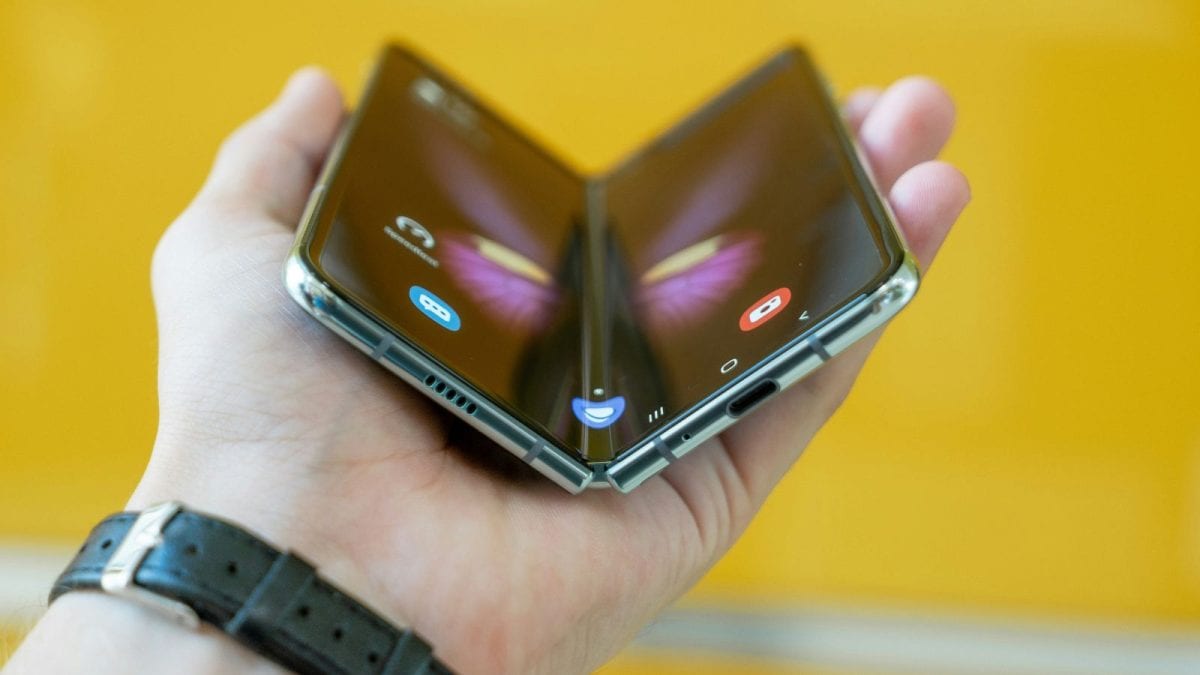
Android 16 did bring a lot of changes compared to the last two versions and now we might see Google implement minor tweaks or additions as it looks to make the platform work across devices, including foldables and tablets.
We will have to wait for a few more months before Google reveals more details on Android 17 (or 27?) but before that the next Android 16 QPR versions could give us more hints about what to expect from the new version that will be rolling out with the Pixel 11 series this year.
There are other big threats surrounding Android that need to be tackled as well. Researchers have found a new malware which is advanced enough to use AI and degrade the performance of your phone.
The malware is being spread through Android apps, the researchers have mentioned, and some of them have been spotted in Xiaomi’s GetApps app store and other third-party stores that people have to sideload on their Android device to use.
California, USA
January 28, 2026, 11:21 IST
Read More