
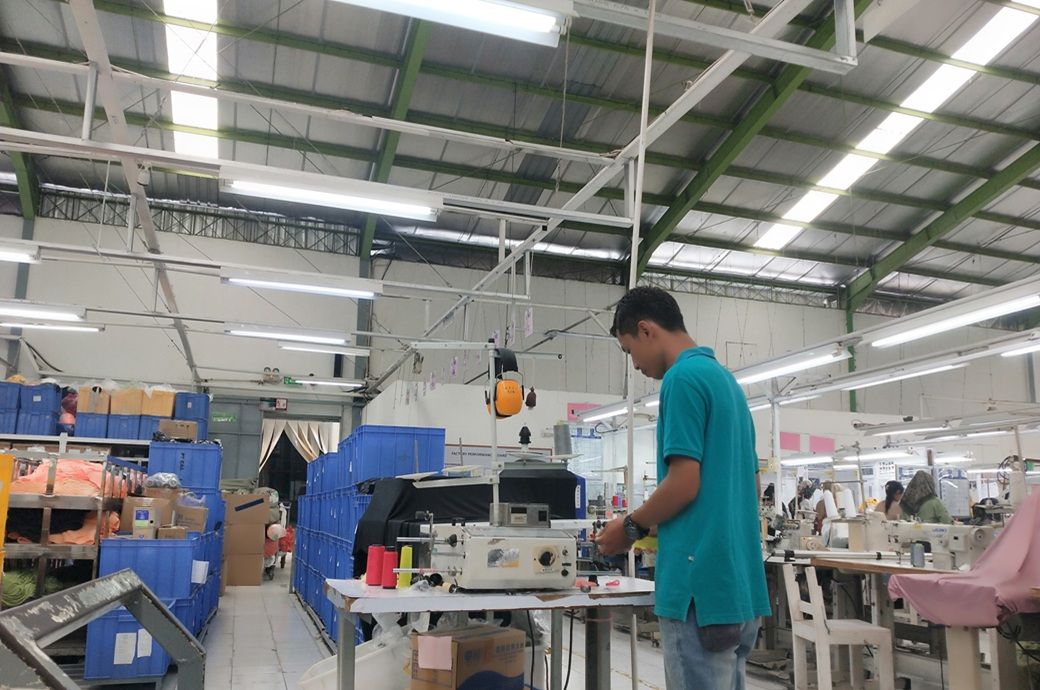
International Labour Organisation (ILO) in its report ‘Employment Impact Assessment on Nepal’s LDC Graduation’ published last month, warned that up to 132,000 jobs could be lost across sectors over the next five years in a worst-case scenario, particularly if mitigation measures are not implemented.
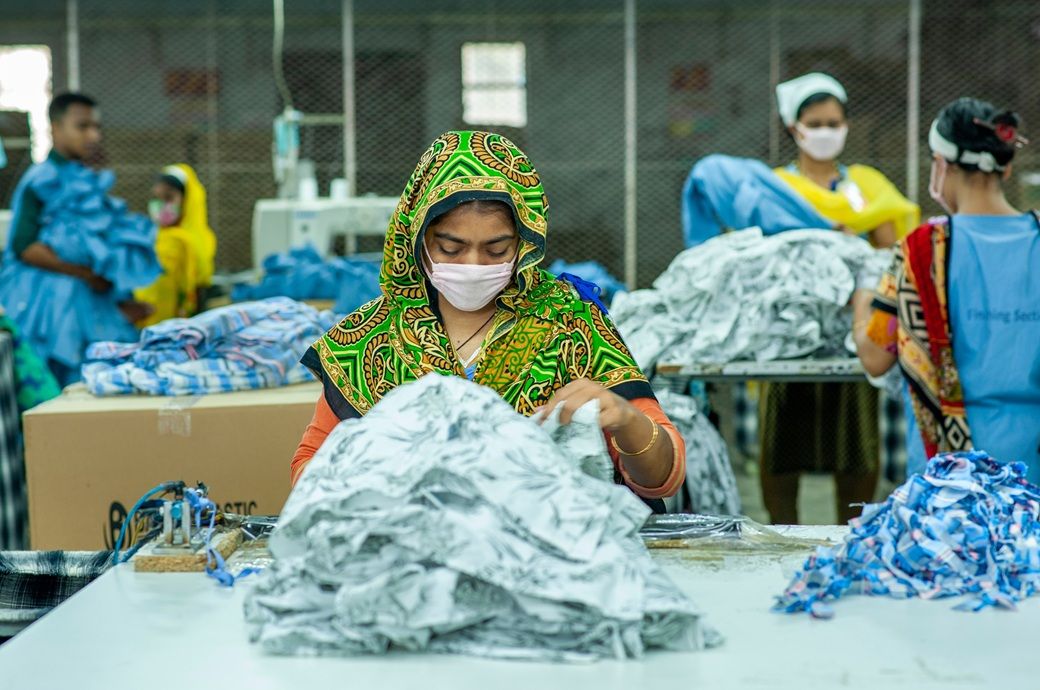
The impact is likely to be uneven, with manufacturing bearing the brunt and the textile and garment sector emerging as the most vulnerable. The report estimates that around 67,000 men and 65,000 women could lose employment, with women disproportionately affected due to their concentration in labour-intensive industries.
Nepal’s LDC graduation in 2026 may disrupt employment, with up to 132,000 jobs at risk, according to the ILO.
Manufacturing, especially garments, will be most affected, with women disproportionately impacted.
Industry leaders cite policy gaps and weak infrastructure as key constraints.
Calls for reforms, including the Green Garment Village, are growing.
The ILO emphasised that generating new manufacturing employment while recovering lost jobs will be a key challenge for the government. Strengthening competitiveness and preparing for post-LDC trade conditions will be critical to sustaining growth.
Speaking at a recent industry event, Garment Association Nepal (GAN) President Pashupati Dev Pandey noted that policy bottlenecks and limited institutional support are constraining a sector that is otherwise gaining global recognition, said Nepalese media reports.
Pandey highlighted the urgent need for infrastructure development and financial backing, pointing to the long-pending ‘Green Garment Village’ as a crucial step towards building a sustainable manufacturing ecosystem. Delays in its implementation, he cautioned, could weaken Nepal’s position in increasingly sustainability-driven global supply chains.
The ‘Green Garment Village’ is a sustainable model to shift textile (especially garment) production to rural areas with eco-friendly practices.
Amid these challenges, the government’s move to mandate the use of domestically produced garments in public offices has been welcomed by the industry as a supportive measure, providing a stable demand base. However, industry leaders continue to call for coordinated policy action and deeper engagement to ensure the long-term viability of Nepal’s garment sector in a post-LDC environment.
Fibre2Fashion News Desk (SG)