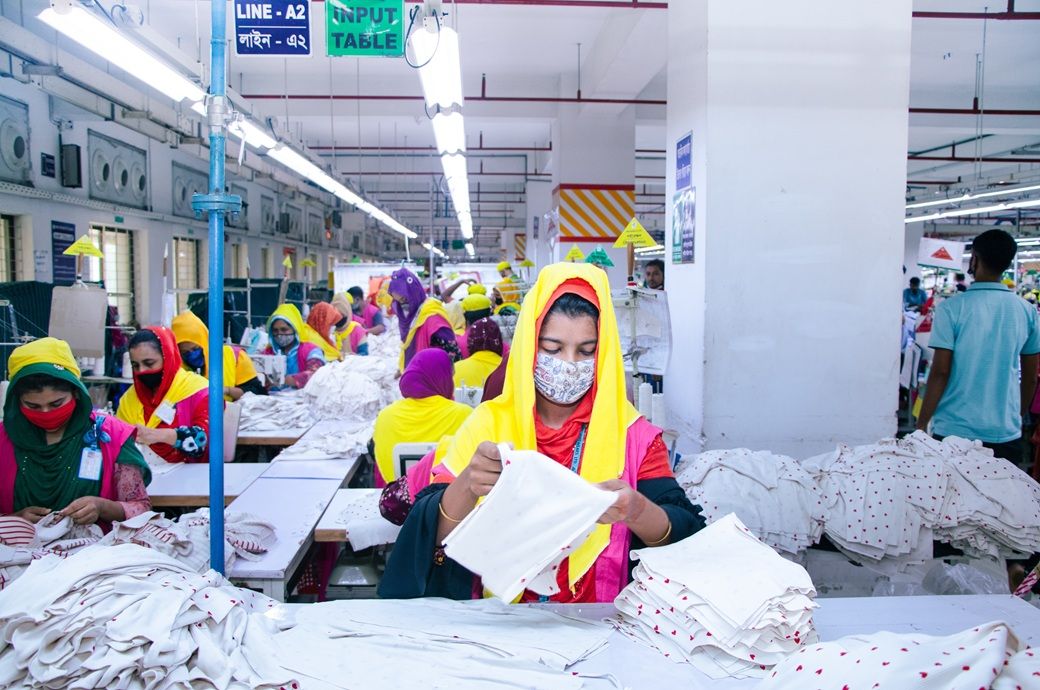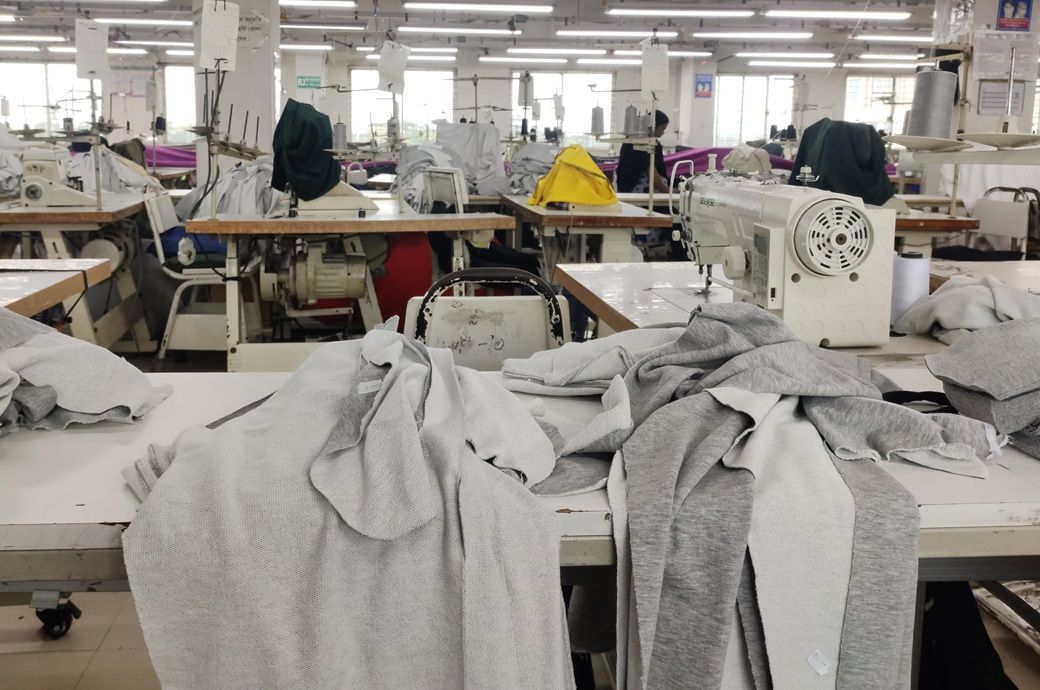

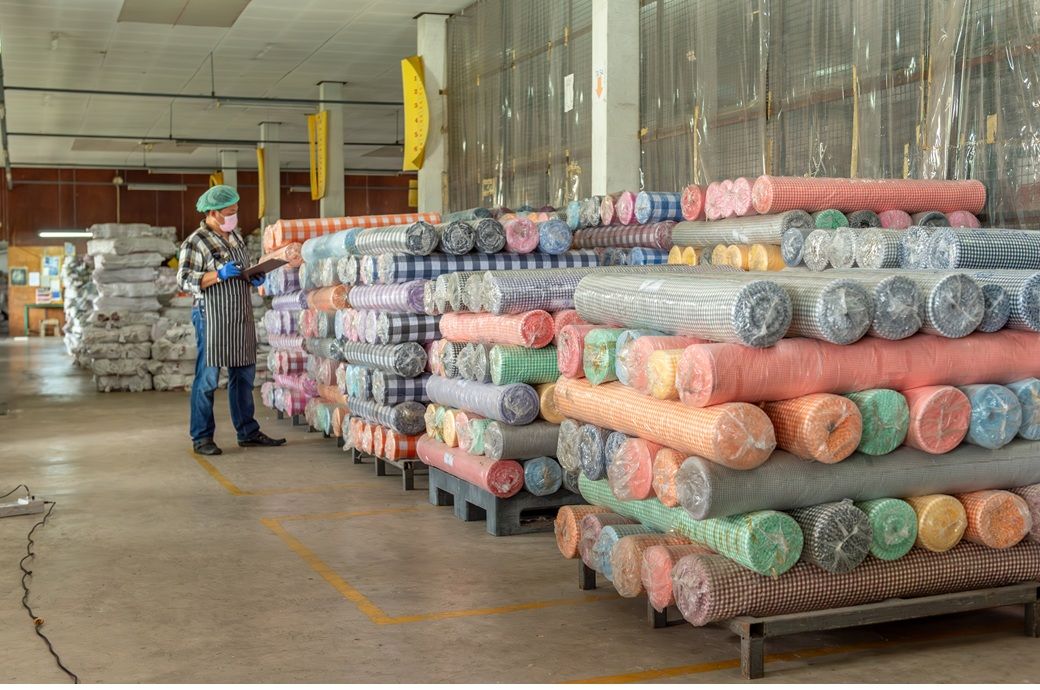
This hidden inventory is best understood through indirect but telling indicators. In Bangladesh, for instance, total textile capacity is estimated at ~*.*–*.* million tons, while actual consumption has dropped to around *.* million tons, implying utilisation levels of just ~** per cent, leaving a significant portion of capacity effectively idle. Similar patterns are visible across South Asia, where spinning and weaving units are operating well below optimal levels. In India and Pakistan, industry feedback suggests mills are running at **–** per cent capacity, with yarn inventories building up due to slower offtake from downstream buyers. Cotton dynamics are adding to the pressure, with global inventories exceeding *** million bales, keeping prices volatile and discouraging fresh procurement.
The pressure intensifies further along the value chain. Fabric manufacturers, particularly in Bangladesh, are facing delayed or reduced orders from garment exporters, leading to a build-up of greige and processed fabric stocks. At the same time, exporters themselves are holding finished goods as shipment cycles lengthen. Geopolitical disruptions around the Strait of Hormuz have increased transit times by *–** days on key routes, while freight costs have risen by **–** per cent, slowing inventory movement and delaying cash realisation.