
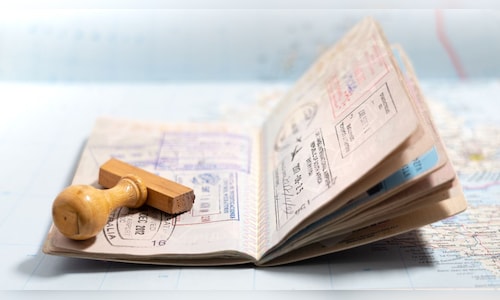
The scheme, with an outlay of ₹1,800 crore, will continue to power India’s digital immigration and visa system, which handles everything from visa applications to passenger clearance at airports.
For travellers, this means visa applications will remain fully online, with appointment bookings and payments done digitally. According to the government, over the past five years, more than 91% of e-visa applications were processed within 72 hours, helping reduce waiting time before travel.
At airports, the government stated, immigration clearance has already been cut to around 2.5–3 minutes per passenger, down from 5–6 minutes earlier. At select major airports, eligible travellers can use automated e-gates under the Fast Track Immigration–Trusted Traveller Programme (FTI-TTP), bringing clearance time down to about 30 seconds.
ALSO READ
| Planning a summer trip? Act fast as West Asia conflict jacks up fuel costs, shuts off destinations
The next phase of the scheme will introduce features such as mobile-based services and self-service kiosks at immigration checkpoints, aimed at making entry and exit processes more seamless. Infrastructure across immigration posts and registration offices will also be upgraded to handle growing passenger volumes.
ALSO READ | Report shows travel insurance uptake rises 43% in 2025: What travellers should read before buying cover
The system currently operates across 117 immigration posts and a network of registration offices nationwide, forming the backbone of India’s visa and immigration services.
According to the government, the continued rollout is aimed at making travel to India smoother while maintaining security checks, as international passenger traffic continues to grow.
ALSO READ | Dubai to roll out key changes from April 2026: What it means for Indian travellers and students
(Edited by : Shoma Bhattacharjee)