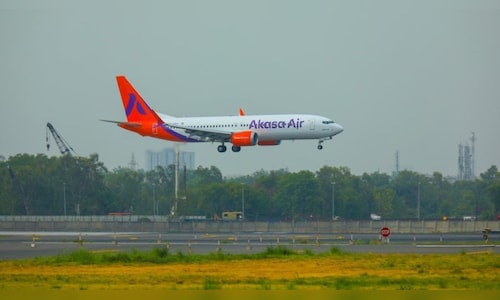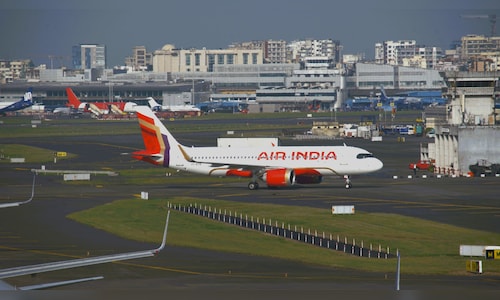

The weeks-long war between US-Israel and Iran is forcing the aviation industry to make detours to avoid drone and missile attacks or their debris from interceptions. This means airlines and travellers around the world are left to deal with longer flight schedules and higher cost of air travel. Here’s how the West Asia War is changing the way you fly.

 1 / 5
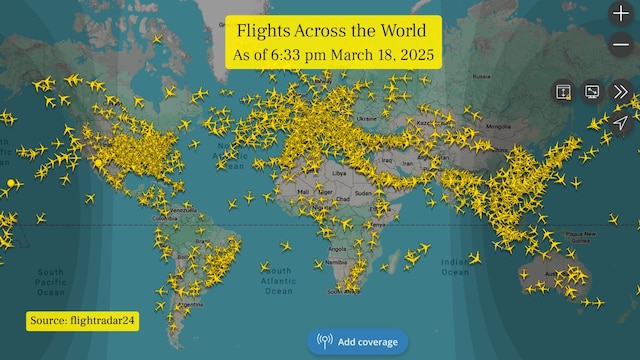
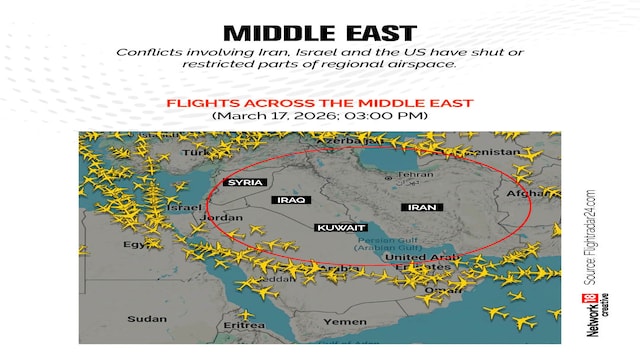
1 / 5Any conflict or war in the world can have a significant impact on how the aviation industry operates in general, including flight routes, travel duration, and the price that consumers end up paying. The ongoing war in West Asia is no different. (Image: flightradar24 screenshot)
 2 / 5
2 / 5Much of the airspace in the West Asian region has been closed. As of March 17, Flightradar24 data shows nearly no activity in the airspace of Iraq and Syria and the surrounding region.
 3 / 5
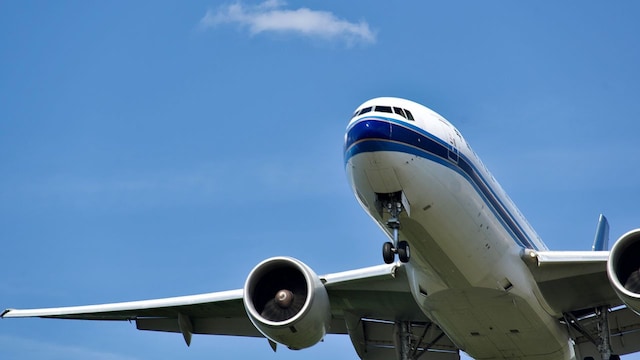
3 / 5Consequences are felt in a handful of narrow corridors, especially in the Caucasus region between Europe and Asia, which are now dealing with heavy air traffic. These routes are handling far more traffic than before. Under the unusual circumstances, the flight route between London and Tokyo now takes two more hours. (Image: Canva)
 4 / 5
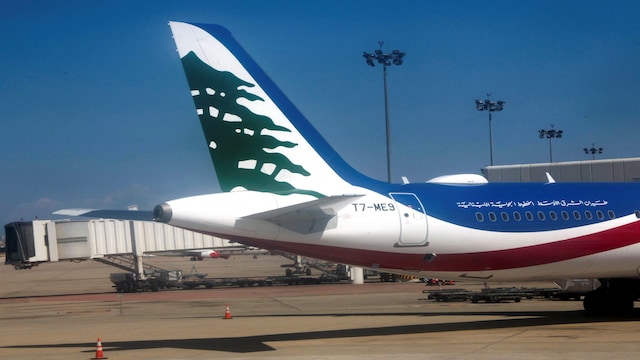
4 / 5The war also caused major disruptions in the fight operations. As of March 17, nearly 66% of flights were cancelled in Doha’s Hamad International Airport, while 5% was delayed. Dubai International Airport reported 28% of flight cancellations and 64% delays. The same goes for Riyadh’s King Khalid International Airport and Abu Dhabi’s Zayed International Airport, which reported 54% and 86% flight delays, respectively. (Image: Reuters)
 5 / 5
5 / 5Longer hours of flying also mean a greater carbon cost in addition to increasing ticket prices. Detours made due to Russia’s war in Ukraine, for instance, increased average fuel use by 13%. It resulted in 8.2 million tonnes of carbon emissions in 2023. (Image: Canva)