
Last Updated:
The deep red saree that Rashmika Mandanna wore for her wedding reception was mentioned as Mysore Silk by her stylist. But connoisseurs of Mysore silk are asking, “Are you sure?”




Each saree produced by KSIC carries a unique identification number, hologram, and barcode woven into the fabric itself, designed to protect the product from counterfeits. Image: Instagram/madhurya-creations
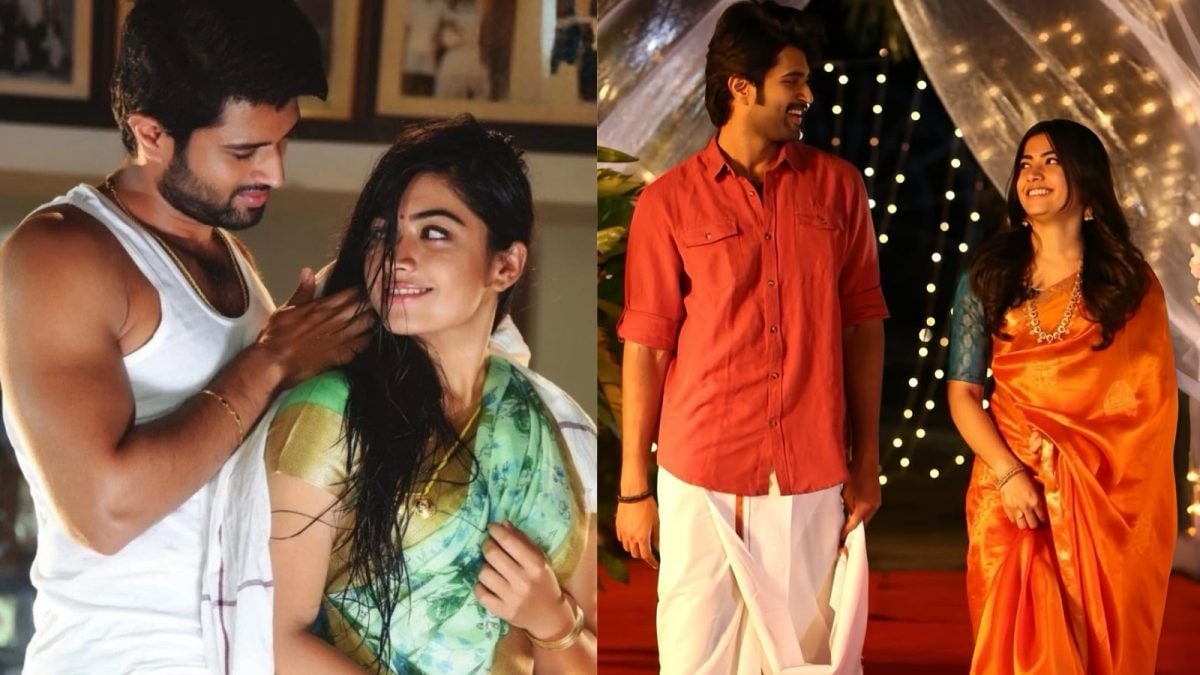
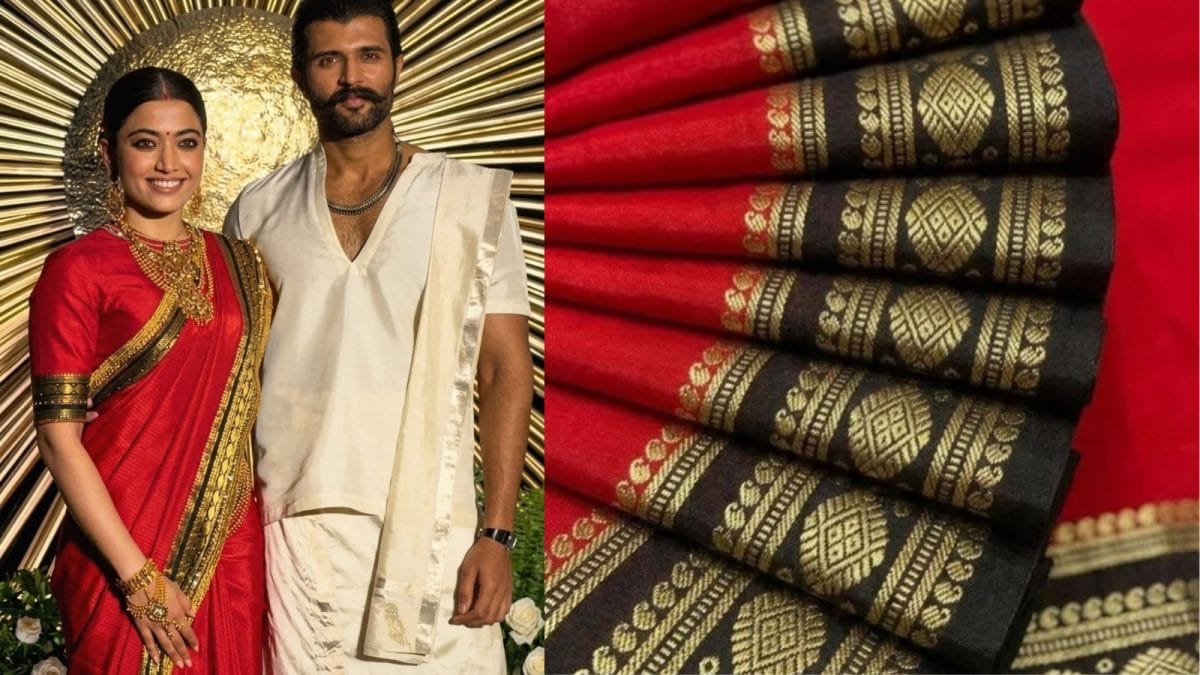
For days after Rashmika Mandanna and Vijay Deverakonda’s grand wedding celebrations, social media has been flooded with images and videos of the couple. Among the many looks Rashmika carried during the festivities, one outfit seems to have captured the imagination of fans in South India more than the rest. It was the striking red saree with a black border that she wore for her wedding reception in Hyderabad.
Styled by celebrity stylist Ami Patel, the saree was described on social media as a Mysore silk piece from Madhurya Creations, a brand tagged in the stylist’s post. The deep red drape, paired with traditional jewellery, quickly became one of the most talked about looks from the celebration. But almost immediately, among connoisseurs of Mysore silk, a quiet debate began. Was it really Mysore silk?
For those who know the legacy of Mysore silk, the answer is not so simple. Harshavardhan Rai, a saree enthusiast and apparel designer explained this in one of his recent videos on Instagram, “The iconic fabric carries a Geographical Indication tag, and the rights to manufacture and sell sarees under the name Mysore silk belong exclusively to the Karnataka Silk Industries Corporation, or KSIC. No other manufacturer can legally produce or sell a saree as Mysore silk.”
A Piece Of History
The story of Mysore silk itself stretches back centuries and is closely tied to the history of Karnataka. The fabric is made from mulberry silk, and even today the state produces nearly 45% of India’s mulberry silk. The industry flourished during the Vijayanagara Empire, but declined after its fall. It was revived in the late 18th century under Tipu Sultan, who recognised the value of silk production.
The KSIC silk factory was later established in 1912 by Nalvadi Krishnaraja Wodeyar, initially to cater to the needs of the Mysore royal family. Over the decades, Mysore silk gradually moved from palace wardrobes into the wardrobes of ordinary citizens. Through independence, economic depressions, the challenge of cheaper rayon fabrics, and eventual revival in the late twentieth century, the craft endured.
Even today the process remains deeply local and carefully controlled. Senior officials from KSIC told News18 that the cocoons used for the silk are sourced from Ramanagara, known as Asia’s largest silk cocoon market. KSIC officials personally select the cocoons through government auctions. The silk thread is reeled in T Narasipura before the weaving takes place in Mysuru.
The zari used in Mysore silk sarees is another marker of its authenticity. It contains about 65 percent pure silver and 0.65 percent gold (which is majorly the gold coating we see in the zari). Each saree produced by KSIC carries a unique identification number, hologram, and barcode woven into the fabric itself, designed to protect the product from counterfeits.
Another key technical marker of a traditional Mysore silk saree is its fabric weight. One key difference between Mysore silk and other silk sarees lies in GSM, or grams per square meter, which indicates the weight of the fabric and how much silk yarn is used to weave one square meter of cloth. Traditional Mysore silk sarees typically have a GSM of about 120, giving them a distinctive structure and fall.
Still A Dream To Many
This is the saree many women in Karnataka dream of owning. The one that may appear understated to the casual eye but carries a legacy of craftsmanship and history. It is also the reason why women are known to queue outside KSIC showrooms as early as four in the morning, waiting patiently to buy one. For many families, a Mysore silk saree is not just clothing but an heirloom meant to be passed down through generations.
So when Rashmika Mandanna, who hails from Kodagu in Coorg not far from Mysuru, chose a red silk saree for her wedding reception, the choice of Mysore silk would have felt almost inevitable. Yet, a closer look reveals that the saree she wore was not Mysore silk from KSIC. According to the seller’s website, it is a pure crepe silk described as Mysore crepe silk.
Still, authenticity debates aside, one thing remained unquestioned across social media. In that red drape, Rashmika Mandanna looked every bit the radiant bride.
March 10, 2026, 13:04 IST

Stay Ahead, Read Faster
Scan the QR code to download the News18 app and enjoy a seamless news experience anytime, anywhere.