
 1 / 10
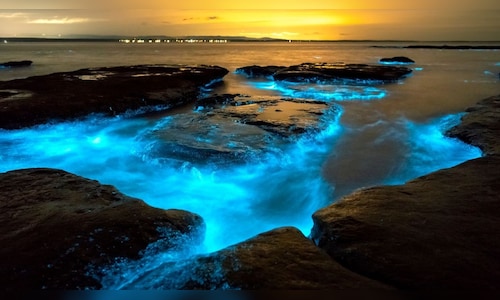
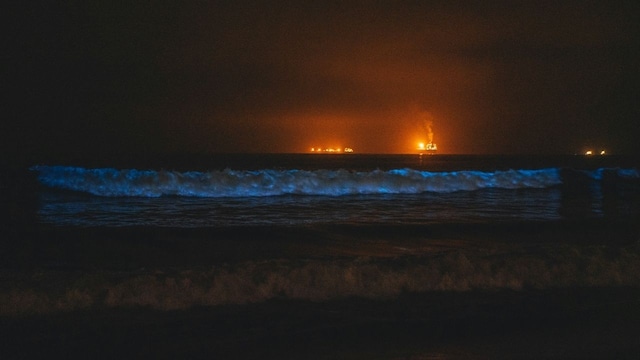
A rare natural phenomenon was reportedly seen at Mumbai’s Juhu Beach recently. Several videos shared on social media showed waves glowing bright blue in the dark, creating a surreal view. Scientists call this phenomenon bioluminescence — a natural light produced by tiny marine organisms. While there is debate online about whether the recent visuals from Juhu were genuine, glowing beaches are not a new phenomenon in India. If you are keen to witness this rare sight, here are eight beaches in India where bioluminescence has been reported over the years. (Image: Canva)
 2 / 10
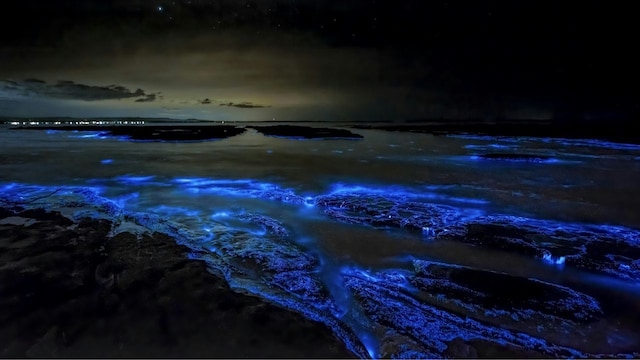
1. Juhu Beach, Mumbai – Maharashtra | Located in Mumbai, Juhu Beach has occasionally reported bioluminescent waves, especially during certain weather conditions. The glow is usually caused by phytoplankton called Noctiluca scintillans. The best chance to see it is late at night during low tide, after periods of calm seas. Travel tip: Visit on a moonless night for better visibility. Avoid using flash photography as it reduces the glow effect. (Image: Canva)
 3 / 10
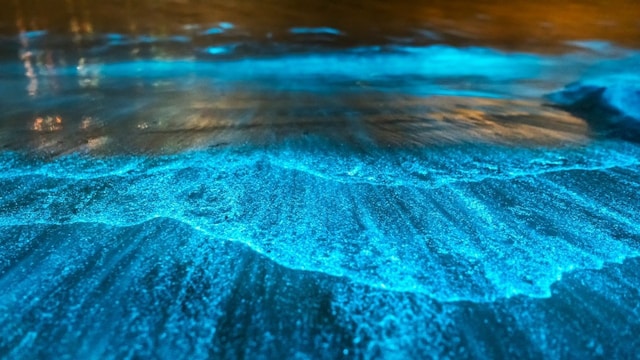
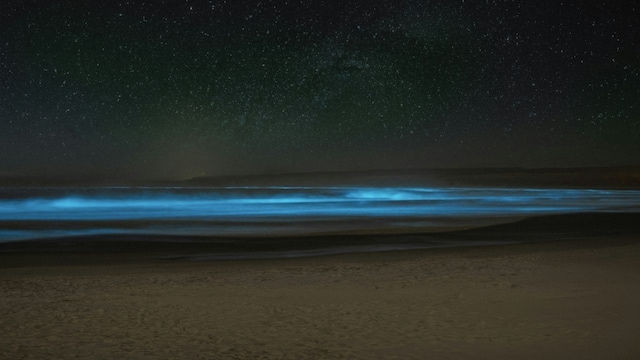
2. Bangaram Island – Lakshadweep | Bangaram Island is among the most popular spots in India to witness glowing waters. The clean shoreline and low light pollution make it ideal for spotting bioluminescence. Travel tip: Plan a stay of at least two nights to improve your chances. October to March is considered a good time to visit Lakshadweep. (Image: Unsplash)
 4 / 10
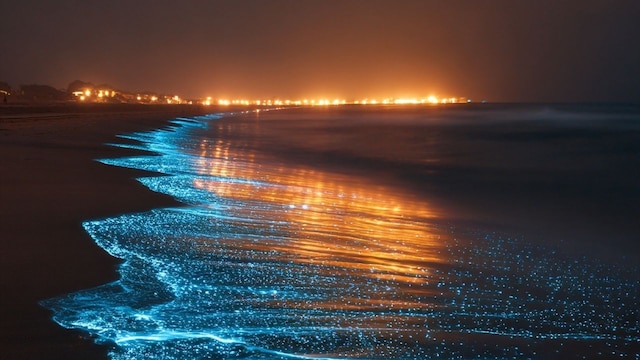
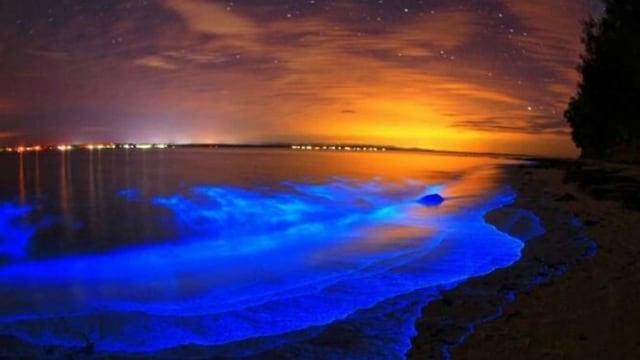
3. Thiruvanmiyur Beach – Chennai | Residents of Chennai have reported bioluminescent waves at Thiruvanmiyur Beach in recent years. The glow is usually visible for a short duration and depends on plankton concentration. Travel tip: Check local news or social media updates before planning a late-night visit. (Image: Unsplash)
 5 / 10
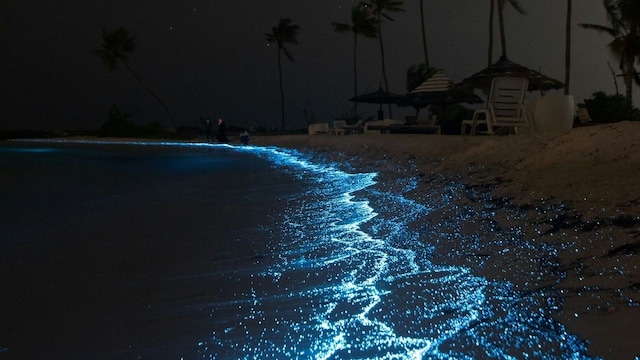
4. Radhanagar Beach – Andaman and Nicobar Islands | Radhanagar Beach, located on Havelock Island, is known for its clear waters. Bioluminescence has been spotted here, especially during certain seasons when plankton bloom. Travel tip: Consider guided night kayaking tours. Operators often know the best spots to increase your chances of seeing the glow.
 6 / 10
5. Mattu Beach – Karnataka | Mattu Beach near Udupi gained attention after glowing waves were reported along its shore. The beach is less crowded, which makes night visits more peaceful. Travel tip: Combine your visit with nearby temples and coastal attractions in the Udupi district. (Image: Unsplash)
 7 / 10
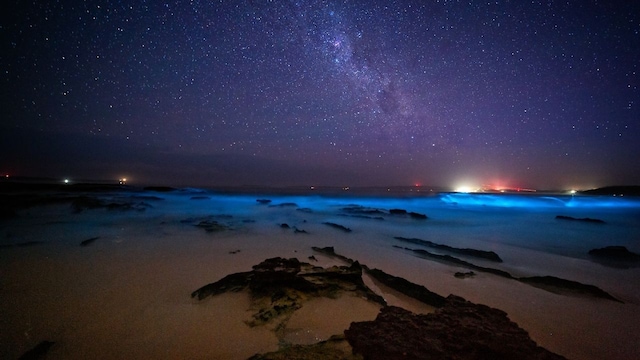
6. Bheemili Beach – Andhra Pradesh | Bheemili Beach in Visakhapatnam has witnessed bioluminescent events during plankton blooms. The phenomenon is usually visible for a limited time. Travel tip: Stay in Visakhapatnam city and plan a late-evening drive to the beach if reports confirm sightings. (Image: Unsplash)
 8 / 10
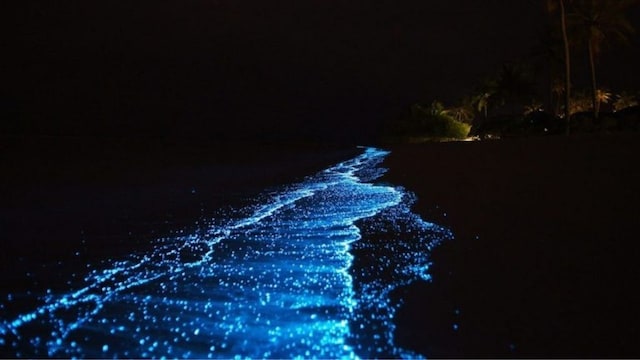
7. Padukere Beach – Karnataka | Padukere Beach has seen occasional bioluminescent activity, particularly after monsoon seasons. The dark shoreline enhances visibility. Travel tip: Carry a torch for safety, but switch it off while viewing the glow. (Image: Canva)
 9 / 10
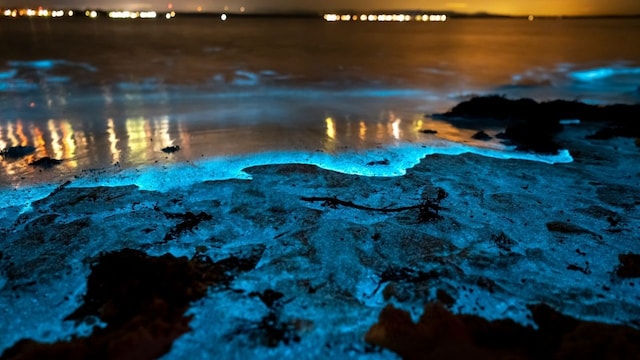
8. Betalbatim Beach – Goa | Known for its quiet surroundings, Betalbatim Beach in South Goa has recorded instances of glowing waves during specific times of the year. Travel tip: Visit during the late monsoon or post-monsoon months when plankton blooms are more likely.
 10 / 10
What Causes Bioluminescence? | Bioluminescence occurs due to microscopic marine organisms that emit light when disturbed by waves or movement. Factors such as water temperature, tides, and plankton blooms play a key role. The glow is often temporary and unpredictable. (Image: Canva)