
Shortages of fuel, electricity, food, water and medicine are being reported across the country – including in resort areas that normally operate separately from local supply chains.
Airlines have also been hit. Limited aviation fuel has led to route reviews and suspended services, raising the risk of travellers being stranded or facing long delays.
The problems tie back to an energy crunch that has restricted fuel imports and stressed the power grid. Cuban officials cite external pressure on oil shipments. On the ground, that has translated into rationing and service interruptions.
Now, several governments are warning their citizens to think twice before heading to Cuba.
What the UK says
The UK Foreign Office (FCDO) advises against all but essential travel. Its notice highlights ‘severe and worsening disruption’ to infrastructure, with persistent outages and fuel shortages affecting transport, healthcare access, communications, and tourism operations. It also warns that flight schedules can change due to aviation fuel constraints and says visitors already in Cuba should conserve fuel, water, food, and phone charges while monitoring airline messages.
Canada
The Government of Canada lists the risk level as avoid non-essential travel. The notice cites shortages of fuel, electricity, and necessities that can affect resorts, unpredictable ground transport, and flight suspensions by Canadian carriers for upcoming trips. It urges travellers to confirm return flights, avoid extending stays, and seek commercial options if they lack a ticket home. The advisory also flags security issues, including power outages, crime, fraud, harassment, and demonstrations.
United States updated travel advisory
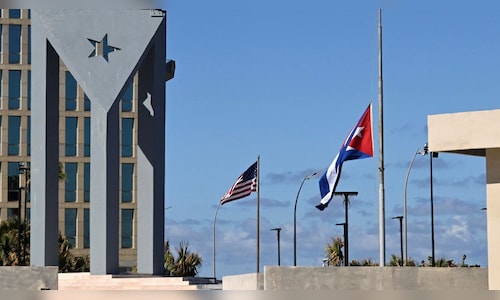
The US Department of State maintains a Level 2 advisory: exercise increased caution due to crime and unreliable electrical power. It lists petty theft and violent crime risks and advises preparation for prolonged outages, charging devices, carrying lights and batteries, and storing nonperishable food and water. Travellers must also comply with licensing rules and are encouraged to enrol in STEP for alerts.
Ireland
The Department of Foreign Affairs Ireland, places Cuba at its second-highest warning level – avoid non-essential travel – citing serious risks and limited consular capacity. It notes outages that can last over 24 hours, affecting water, refrigeration, communications, and healthcare, along with mosquito-borne disease concerns.
Australia’s travel advisory for travellers
Australia has placed Cuba at Level 2, advising travellers to exercise a high degree of caution. The guidance points to violent crime, including robbery and assault, and notes that petty theft is common on public transport, in tourist zones and at airports. The advisory also highlights frequent power outages and shortages of food and bottled water. Authorities have also warned of risks linked to civil unrest, scams and fraud, extreme weather events and certain health concerns.
Travellers are being told to plan conservatively as conditions are unstable, and travel plans to Cuba carry higher-than-usual risk.