
Last Updated:
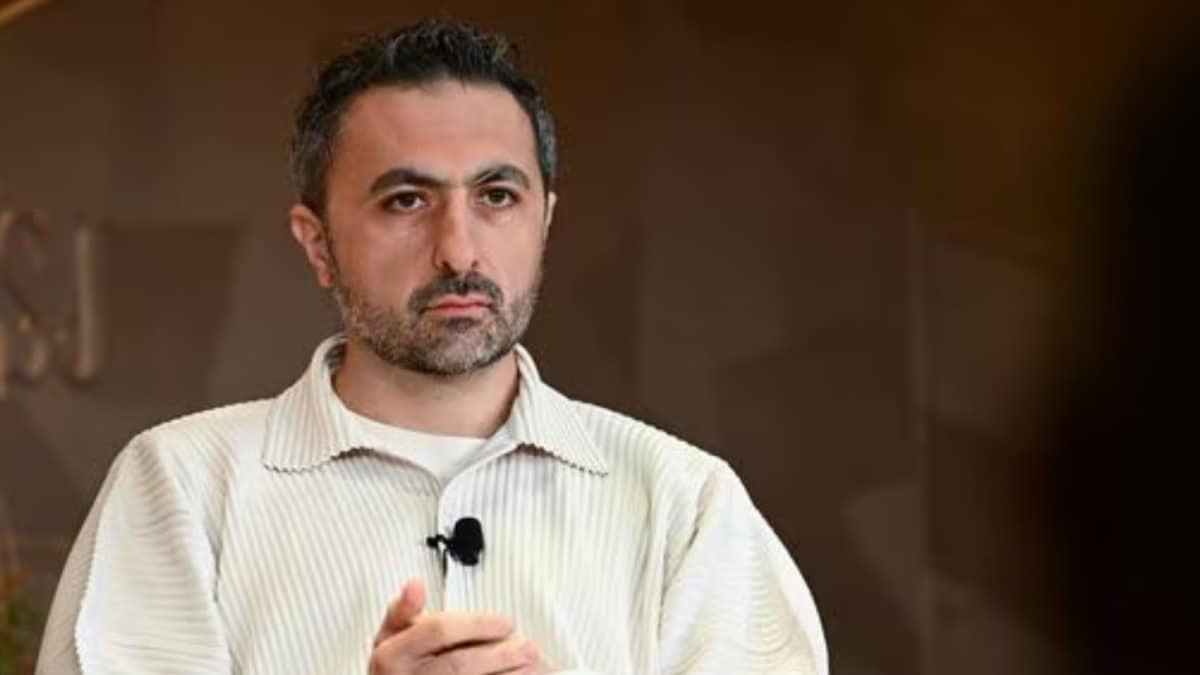
Microsoft AI chief Mustafa Suleyman also said that as AI technology advances, building new models will become far easier and more accessible.




Microsoft AI chief Mustafa Suleyman
Microsoft AI chief Mustafa Suleyman warned that artificial intelligence could soon automate most white-collar jobs, putting roles such as lawyers, accountants and other knowledge workers at risk within the next year and a half.
In an interview with the Financial Times, Mustafa Suleyman said Microsoft is pushing to capture a larger share of the enterprise market by developing what he described as “professional-grade AGI”- AI systems capable of performing almost everything a human professional can do. These tools, he said, would allow companies to automate routine tasks carried out by people who work primarily on computers.
Sweeping Workforce Changes Possible
Mustafa Suleyman predicted sweeping changes to the workforce in the near future, arguing that nearly anyone whose job involves sitting in front of a computer could be affected.
“White-collar jobs- those sitting in front of computers, whether lawyers, accountants, project managers or marketers- most of these tasks will be fully automated by AI within the next 12 to 18 months,” he said.
AI Model Creation To Become Easier
Mustafa Suleyman also said that as AI technology advances, building new models will become far easier and more accessible. He compared the future process of creating AI systems to producing a podcast or writing a blog, suggesting that organisations and individuals will be able to design AI models tailored to their specific needs.
Looking further ahead, he added that within the next two to three years, AI agents could become significantly more efficient at managing workflows across large institutions.
Microsoft Aims For ‘AI Self-Sufficiency’
The Microsoft AI chief also indicated that the company plans to double down on developing its own AI models, reducing reliance on OpenAI following a revised agreement between the two firms. He said Microsoft was aiming for “true AI self-sufficiency” and hinted that new in-house AI models could debut as early as 2026.
New York, United States of America (USA)
February 12, 2026, 21:13 IST
Read More