
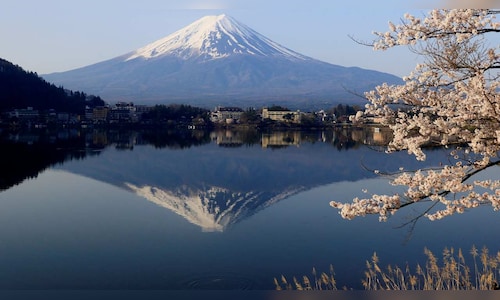
According to booking insights from Cox & Kings, Indian travel demand for Japan remained resilient through 2025, even as select cherry blossom events saw schedule adjustments. Instead of clustering around peak sakura periods, travellers are spreading their journeys across summer and extended seasons, indicating a structural change in outbound travel behaviour.
Summer Travel Demand Rises Sharply
Booking trends show a nearly 30% increase in departures between April and September, highlighting Japan’s growing appeal during the summer months. Industry executives say this shift is being supported by improved connectivity, diversified itineraries and rising interest in experiences that are less season-dependent.
Travel planners note that summer travel is no longer seen as an off-peak alternative but is increasingly being treated as a primary travel window, particularly by families and first-time international travellers.
Indian Travellers Move Beyond Tokyo–Kyoto Route
Another clear trend emerging from booking data is the expansion of itineraries beyond the traditional Tokyo–Osaka–Kyoto circuit. According to Cox & Kings, Indian tourists are showing growing interest in regions such as Hokuriku, rural Honshu, Hakone and Takayama, driven by scenic rail routes, alpine landscapes, preserved heritage towns and wellness-oriented travel.
Coastal towns and lesser-visited cultural routes are also seeing increased traction, especially among travellers looking to avoid crowds and engage more deeply with local environments. The shift aligns with Japan’s broader tourism objective of dispersing visitors away from overtourism-prone cities.
First-Time Travellers and Families Drive Growth
The increase in Indian arrivals is being led by young couples, families and first-time international travellers, who together account for an estimated 55–60% of bookings, according to industry data.
Also Read: Kashmir rail journey gets a scenic upgrade with Vistadome coach on Budgam–Katra route
Digital discovery, pop culture exposure and food-focused content are influencing travel decisions, while group sizes are becoming smaller. While small-group tours remain popular, there is a growing preference for customised itineraries that allow for slower, experience-led travel rather than fast-paced sightseeing.
Experiences Take Priority Over Landmarks
Japan’s appeal to Indian travellers is increasingly shaped by experiential travel. Culinary exploration has emerged as a key driver, with regional food trails, local dining cultures, tea ceremonies and sake experiences becoming integral to travel planning.
Pop-culture-linked attractions located outside major cities are also contributing to the diversification of travel routes, drawing younger travellers into newer regions and extending average trip durations.
Growing Focus on Responsible Travel
Another trend gaining prominence is a heightened awareness of local customs and cultural etiquette among Indian travellers. According to booking insights, there is increasing interest in community-led experiences, respectful travel practices and culturally immersive stays.
This shift reflects a broader move toward conscious tourism, particularly among long-haul travellers seeking meaningful engagement rather than surface-level experiences.
Outlook for 2026
Japan has set a target of 60 million international visitors by 2030, supported by investments in infrastructure, regional connectivity and heritage tourism. For Indian travellers, this is translating into improved access and a wider range of travel options beyond established routes.
With Indian outbound travel continuing to grow and preferences shifting toward immersive, multi-season journeys, Japan’s tourism relationship with India appears set to deepen further in 2026. The data suggests that Japan’s appeal is no longer defined by cherry blossoms alone, but by its ability to offer diverse experiences across the calendar year.