
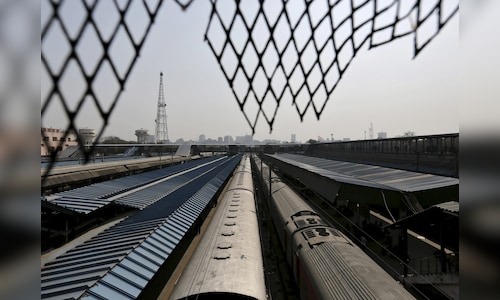
According to data shared by the Ministry of Railways, Indian Railways currently operates around 57,200 non-AC coaches, accounting for nearly 70% of the total rolling stock, while AC coaches make up about 30%. In terms of seating capacity, non-AC seats stand at around 54 lakh, or 78% of the total 69 lakh seats available across the network.
Passenger demand for unreserved and general class travel has shown a steady rise in recent years. The number of passengers travelling in general or unreserved coaches increased from 553 crore in 2022–23 to 651 crore in 2024–25. Overall passenger traffic grew by around 8% in 2023–24 and 6% in 2024–25, after a sharp rebound in 2022–23 following the pandemic.
Also Read: Kashmir rail journey gets a scenic upgrade with Vistadome coach on Budgam–Katra route
To meet rising demand, Indian Railways introduced 245 new train services, extended 101 services and increased the frequency of eight trains during the first nine months of the current financial year up to December 2025. Around 65,000 special trains were also operated in 2025–26 (till December), while 767 coaches were permanently added for capacity augmentation.
The ministry said Indian Railways plans to manufacture 17,000 non-AC coaches over the next five years to cater to low- and middle-income passengers. At present, the standard composition of a 22-coach Mail or Express train includes 12 general and sleeper non-AC coaches and eight AC coaches.
On premium services, the network currently operates 164 Vande Bharat chair car services, two Vande Bharat sleeper services, 54 Amrit Bharat Express trains and four Namo Bharat Rapid Rail services across different routes.
Also Read: Breaking barriers: World heritage Darjeeling toy train gets first woman ticket examiner in 145 years
The government said Indian Railways fares remain among the lowest in the world. Ordinary class fares in India are estimated at around ₹0.20 per passenger kilometre, compared with ₹0.54 in Pakistan and ₹0.50 in Sri Lanka. For semi high-speed services like Vande Bharat, average fares are about ₹2.19 per passenger kilometre, significantly lower than China, Japan and France.
In 2023–24, Indian Railways provided a subsidy of ₹60,466 crore on passenger tickets, translating to an average concession of 45%. The government said this subsidy continues for all passengers, along with additional concessions for categories such as persons with disabilities, patients and students.
The ministry also said there is no plan to introduce dynamic pricing for Vande Bharat services. Two rounds of fare rationalisation were carried out in 2025–26, with marginal increases ranging from half a paisa to two paise per kilometre, while suburban services and season tickets have seen no fare hike in the past ten years.
Also Read: Multiple rail infra projects approved to ease congestion, improve safety: Railway ministry
(Edited by : Ajay Vaishnav)