
Signed in Dhaka by Commerce Adviser Sheikh Bashir Uddin, NSA Khalilur Rahman and US Trade Representative Jamieson Greer, the deal follows nine months of negotiations.
The US–Bangladesh reciprocal tariff agreement cuts duties to 19 per cent, easing pressure on exporters after months of uncertainty.
Zero-duty access for select garments using US inputs strengthens Bangladesh’s competitiveness in its biggest market.
The move is expected to stabilise jobs, support margins, and reinforce the country’s role in global apparel supply chains.
“The reduction of reciprocal tariff will grant further advantage to our exporters, while zero reciprocal tariff on specific textile and apparel exports from Bangladesh using US inputs will give substantial added impetus to our garments sector,” said NSA Rahman who was Bangladesh’s chief negotiator.
The tariff cut marks a sharp reduction from the initially proposed 37 per cent in April last year and the interim 20 per cent agreed in August. US officials praised Chief Adviser Muhammad Yunus for steering the talks, while Bangladesh termed the pact a historic upgrade in bilateral trade ties.
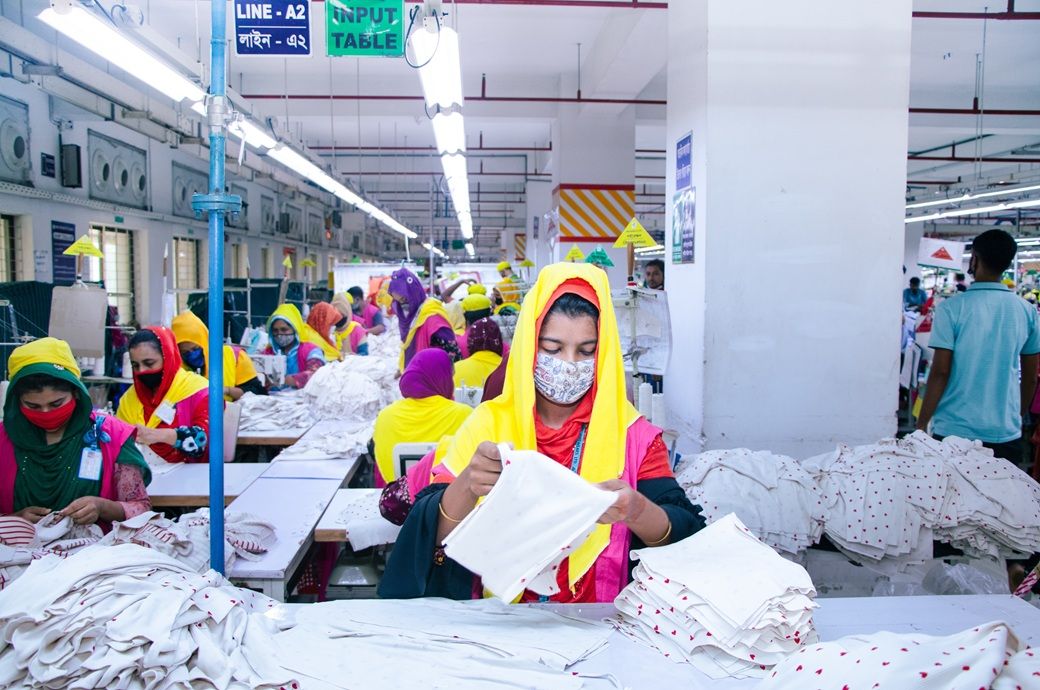
Rahman said the lower tariffs and duty-free access would give fresh momentum to the garments sector, Bangladesh’s largest export industry, which accounts for over 80 per cent of export earnings and employs nearly four million workers. The agreement, approved by Bangladesh’s Council of Advisers, will come into force once formal notifications are issued.
Fibre2Fashion News Desk (RKS)