

Last Updated:
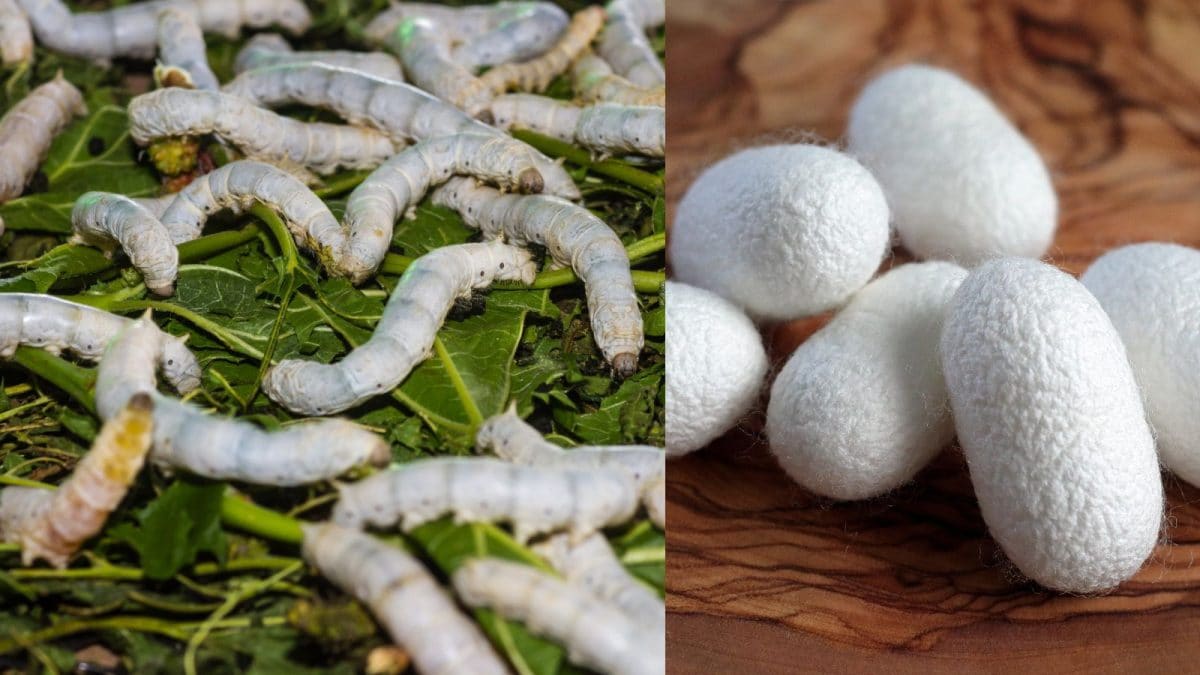
The digital microscope uses AI algorithms to analyse samples of silkworms and cocoons, identifying early signs of infection or abnormalities that may not be visible to human eye.



While conventional methods allowed technicians to analyse around 200 samples a day, the AI-assisted system was able to process nearly 900 samples in the same time. Representative Image: Canva
In a move that blends technology with traditional agriculture, the Central Silk Board has developed an artificial intelligence-enabled digital microscope in collaboration with a Bengaluru-based start up. The new tool is designed to help silk farmers detect silkworm diseases early, reduce crop losses and improve the overall quality of silk cocoons.
Silk farming is highly sensitive to disease outbreaks, where even a small delay in diagnosis can wipe out an entire batch of silkworms. Until now, farmers and testing centres have relied on manual microscopic examination, a process that is slow, labour-intensive and dependent on skilled technicians. The AI microscope aims to simplify and speed up this process by combining high-resolution imaging with machine learning.
How the AI Microscope Works
The digital microscope uses AI algorithms to analyse samples of silkworms and cocoons, identifying early signs of infection or abnormalities that may not be easily visible to the human eye. Once a sample is scanned, the system flags potential issues and stores the data digitally, allowing scientists to track patterns over time.
During pilot testing, officials say the technology significantly increased testing capacity. While conventional methods allowed technicians to analyse around 200 samples a day, the AI-assisted system was able to process nearly 900 samples in the same time. This scale-up is expected to be particularly useful during peak seasons, when testing backlogs often delay critical decisions for farmers.
Reducing Dependence on Manual Checks
One of the key advantages of the AI microscope is that it reduces dependence on highly specialised personnel for routine screening. While expert oversight is still required, much of the initial analysis can be automated, helping standardise results and minimise human error.
Officials say the system also creates a digital record of test results, making it easier to study recurring disease patterns and anticipate outbreaks. Over time, this data could help improve advisory services and guide preventive measures at the farm level.
Cost and Deployment Plans
The AI microscope is currently priced at around Rs 40 lakh per unit. While the cost may be high for individual farmers, the Central Silk Board plans to deploy the technology at government testing laboratories and sericulture centres, where large volumes of samples are processed.
According to officials, the investment is justified by the potential reduction in crop losses and the improvement in cocoon quality, both of which directly affect farmer incomes. Higher quality cocoons also translate into better raw silk, strengthening India’s position in domestic and export markets.
Tackling Fake Silk and Quality Issues
Alongside disease detection, the Central Silk Board is also working to address the growing problem of counterfeit silk in the market. Synthetic fabrics are often sold as pure silk, depressing prices and hurting genuine producers.
To counter this, the board is using a mix of destructive and non-destructive testing methods to verify silk authenticity. Non-destructive techniques, including digital scanning, allow fabrics to be tested without damaging them. Officials say mobile-based testing tools for consumers are also being explored, which could allow buyers to check silk authenticity before making a purchase.
Turning Waste Into Value
Another initiative discussed alongside the AI microscope focuses on reducing waste in silk production. Dead silkworm pupae, which are usually discarded after silk extraction, contain high levels of protein. The board is exploring their use as poultry feed, fish feed and potentially for human consumption, subject to safety approvals.
Work is underway with food safety authorities to establish standards for processing these byproducts, which could open up an additional income stream for silk farmers.
Modernising Sericulture Without Losing Its Roots
Karnataka remains one of India’s leading silk-producing states, but the sector faces challenges from climate variability, disease risks and global competition. Officials say tools like AI microscopy are part of a broader effort to modernise sericulture while preserving its traditional foundations.
By improving disease detection, strengthening quality control and finding new value in by products, the Central Silk Board hopes to make silk farming more resilient and economically viable. For farmers, the shift could mean fewer losses, more predictable incomes and better integration with modern markets — all without abandoning the craft that has sustained generations.
January 08, 2026, 11:30 IST

Stay Ahead, Read Faster
Scan the QR code to download the News18 app and enjoy a seamless news experience anytime, anywhere.