

 1 / 8
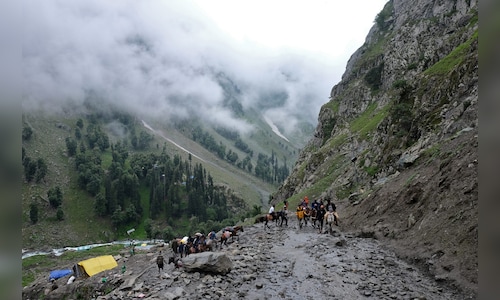
1 / 8India’s coldest inhabited place: Dras (also known as Drass), a town in the Kargil district of Ladakh, is widely recognised as the coldest inhabited place in India during winter, with temperatures that regularly plunge below –25°C during the peak winter months of December and January. Its high altitude and location in a Himalayan valley trap frigid winds, making winters extremely harsh. Locals and visitors alike experience bone-chilling cold that few other populated areas in India endure. (Picture: Wikimedia Commons)
 2 / 8
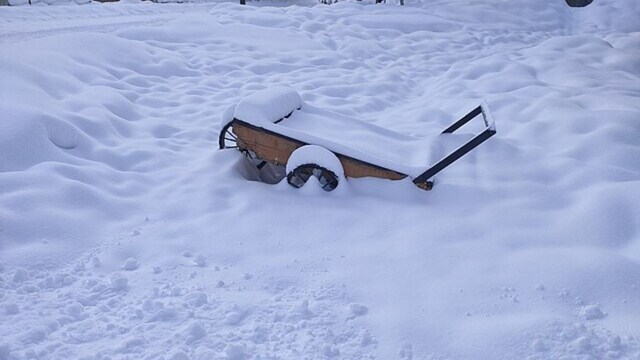
2 / 8Once colder than Siberia: In extreme weather events, Dras has recorded temperatures reportedly near –60°C, placing it among the coldest places on the planet relative to human habitation. Though such lows are rare and often subject to verification challenges, they convey just how intense the winter chill can be in this region. The stark cold creates a dramatic landscape of frozen earth and snowbound terrains. (Picture: Wikimedia Commons)
 3 / 8
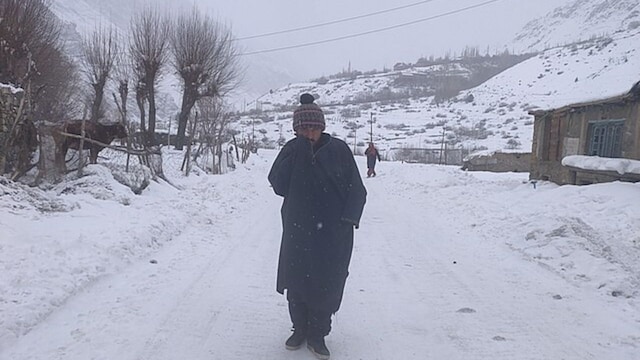
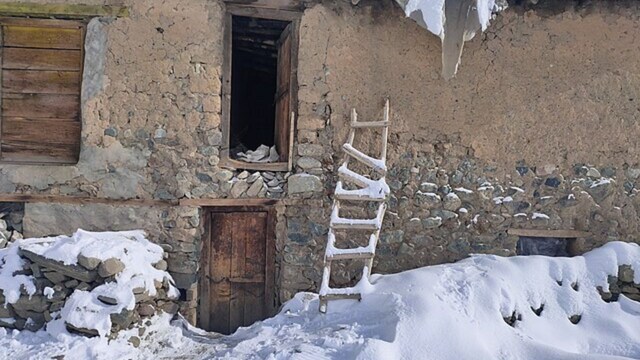
3 / 8Life in sub-zero conditions: Despite the extreme cold, Dras remains inhabited, with locals adapted to long, harsh winters through traditional housing, layered clothing and fire-fed stoves. Everyday life in these conditions requires resilience, from managing frozen water supplies to coping with limited mobility outdoors. The low temperatures make basic daily routines a challenge and require specialised clothing and preparation for anyone venturing outdoors. (Picture: Wikimedia Commons)
 4 / 8
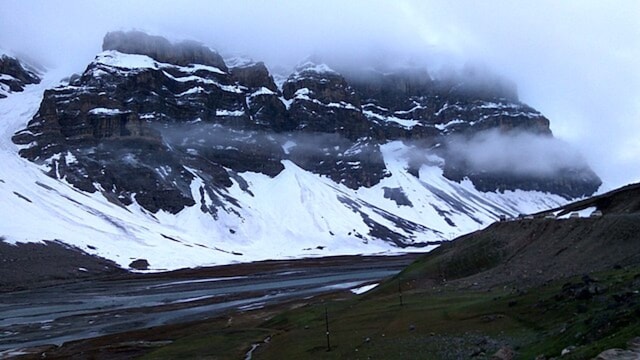
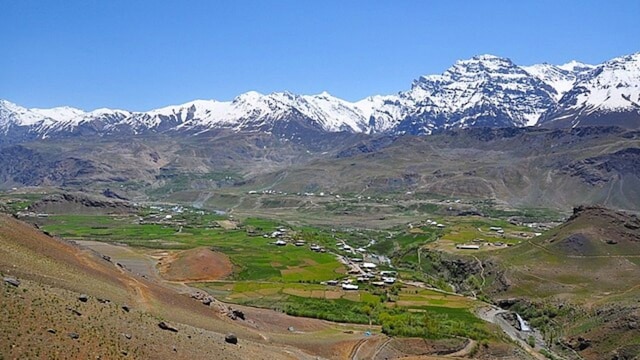
4 / 8Scenic winter landscapes: In winter, Dras transforms into a dazzling sea of snow and ice, with frosted hills and frozen streams that draw photographers and adventure seekers. The stark contrasts of white expanses against clear blue skies create a surreal high-altitude beauty. (Picture: Wikimedia Commons)
 5 / 8
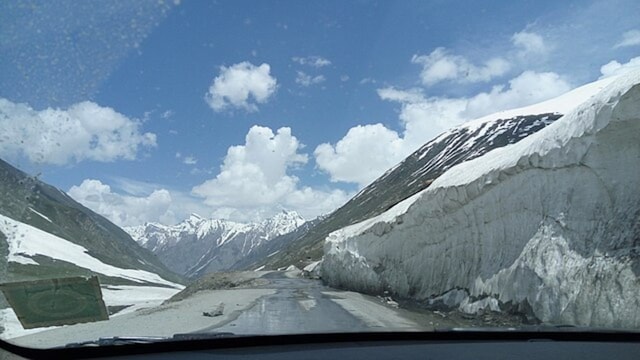
5 / 8Gateway to Ladakh’s rugged beauty: Located on the Srinagar–Leh highway, Dras is a gateway to Ladakh’s rugged landscapes and high mountain passes. Even in sub-zero conditions, travellers use this route to glimpse the dramatic convergence of barren peaks, snow-covered valleys and cultural heritage. (Picture: Wikimedia Commons)
 6 / 8
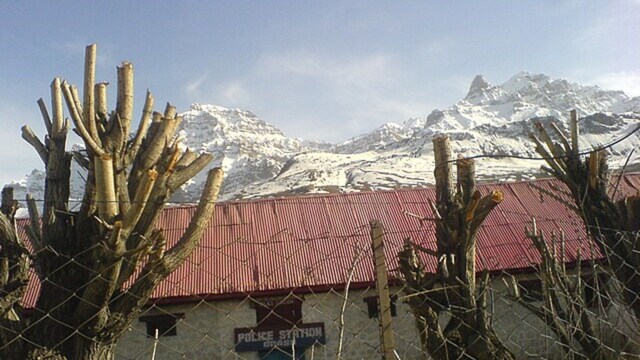
6 / 8Community and culture in the cold: In Dras, traditional hospitality, from warm tea to hearty local cuisine, plays a vital role in helping residents and visitors cope with the cold. Dras stands among several places in India where winter tests human endurance, alongside other cold-climate settlements like Kargil and Leh, where temperatures also dip dramatically. nevertheless, cultural celebrations and community gatherings in winter reflect the town’s resilience and social cohesion in the face of extreme weather. (Picture: Wikimedia Commons)
 7 / 8
7 / 8Extreme temperature, adventure and tourism appeal: The severe cold in Dras arises from its high elevation, limited sunlight in winter and cold air drainage into the valley, creating natural conditions for frigid temperatures. For adventure travellers, Dras’s conditions offer an extreme environment for snow trekking, photography and cold-climate exploration. Visiting here in winter provides a rare experience of India’s harshest winter landscapes. (Picture: Wikimedia Commons)
 8 / 8
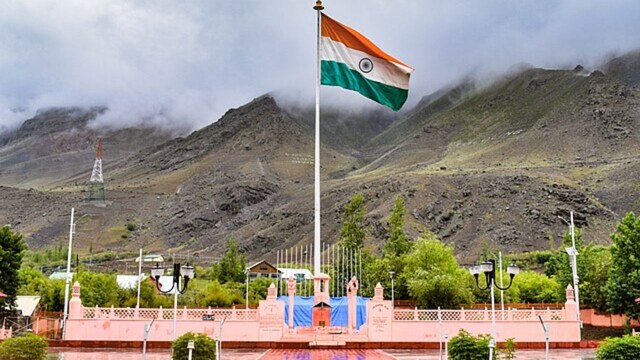
8 / 8Kargil War Memorial: Dras is a part of the Kargil district and is home to the Kargil War Memorial, built in memory of soldiers who lost their lives during the 1999 conflict. Set against snow-covered peaks, the memorial remains accessible even in extreme cold, drawing visitors year-round. Winters here underscore both the harsh terrain soldiers fought in and the resilience required to survive in this region. (Picture: Wikimedia Commons)