

 1 / 9
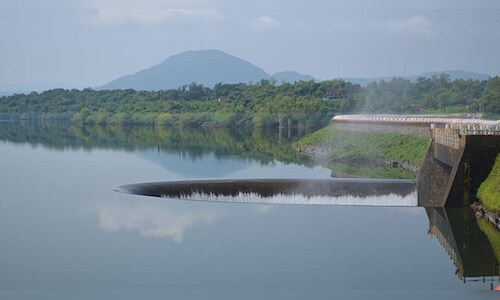
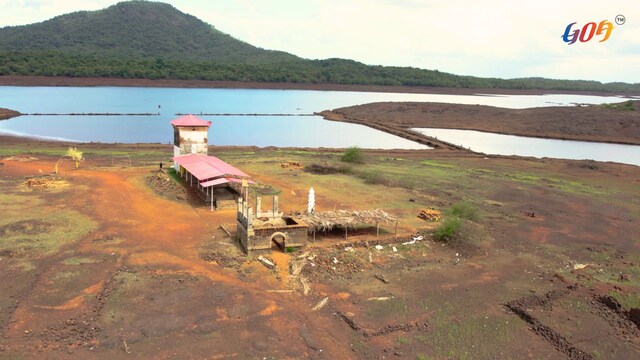
1 / 9Goa’s vanishing village: Curdi (also spelled Kurdi) is a village in South Goa that remains submerged for nearly 11 months of the year under the reservoir of the Salaulim Dam. Only during the dry summer months, typically April and May, do the water levels fall enough to reveal its ruins. (Picture: Department of Tourism, Goa)
 2 / 9
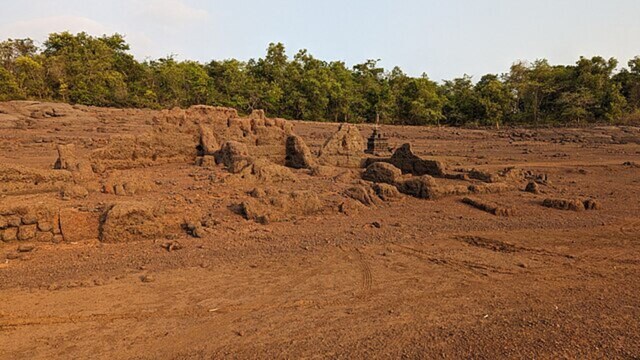
2 / 9The lasting imprint of history: Once a thriving agricultural community with hundreds of homes, temples and shrines, Curdi was flooded in the 1980s when the Salaulim Irrigation Project was built. Today, cracked earth, building remnants and pathways emerge only briefly before the monsoon returns. (Picture: Wikimedia Commons)
 3 / 9
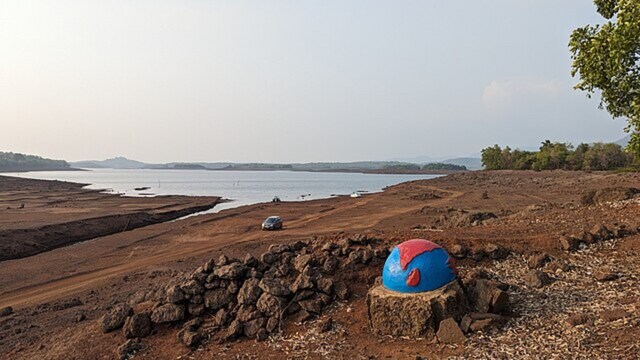
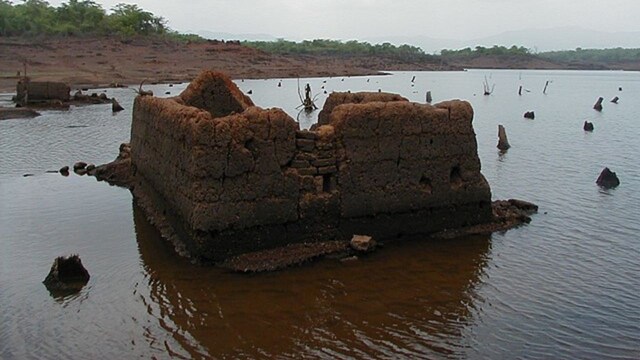
3 / 9A yearly re-awakening: As the reservoir dries up around April and May, the land slowly re-emerges, revealing cracked earth and stone ruins. Paths, walls and foundations become visible, allowing visitors to walk through the exposed village remains. The short window transforms Curdi into a haunting, open-air ruin. (Picture: Wikimedia Commons)
 4 / 9
4 / 9Life before the waters came: Curdi was once home to approximately 3,000 people from different faiths, with coconut, mango and jackfruit plantations sustaining daily life. The fertile valley was known for its paddy fields and community structures before it was chosen for the dam site. (Wikimedia Commons)
 5 / 9
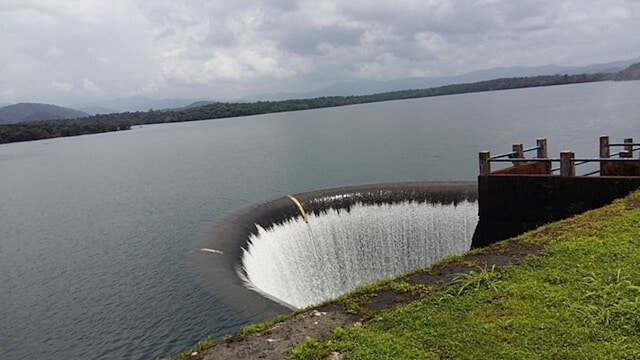
5 / 9A thriving village lost to a dam project: Before it was submerged, Curdi was a bustling agricultural settlement with homes, temples, farms and community spaces. The village was flooded in the mid-1980s following the construction of the Salaulim irrigation project. Residents were relocated, leaving behind homes, temples and farmlands that now lie underwater most of the year. (Picture: Wikimedia Commons)
 6 / 9
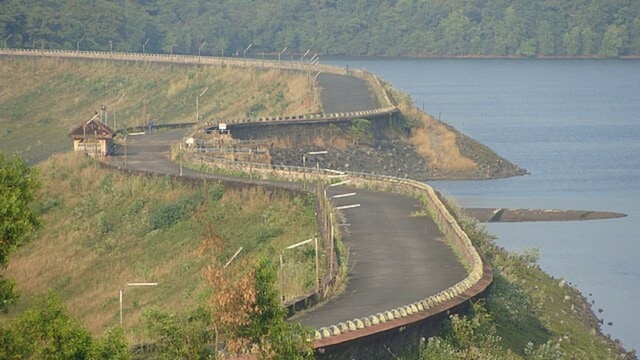
6 / 9Displacement and memory: When the Salaulim Dam reservoir began to rise, villagers were relocated to nearby settlements like Vaddem and Valkinim, leaving behind their homes and heritage. For former residents, the brief annual resurfacing is a chance to reconnect with personal and communal memories. (Picture: Wikimedia Commons)
 7 / 9
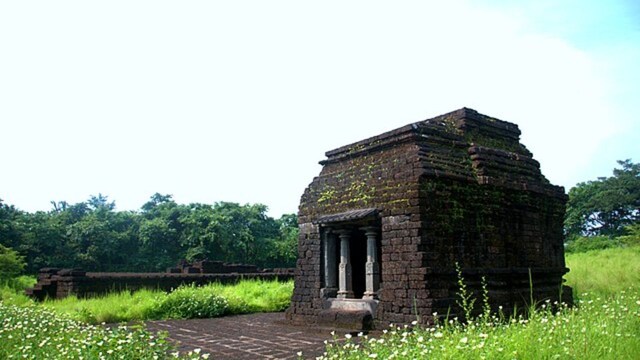
7 / 9Temples and sacred structures reappear: Among the most prominent structures to resurface is the Someshwar temple, along with other religious remnants. These sites highlight the village’s spiritual life before it was submerged. For former residents, the reappearance of these spaces carries deep emotional significance. (Picture: Wikimedia Commons)
 8 / 9
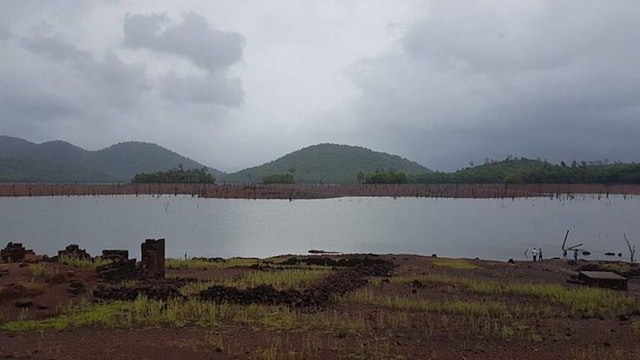
8 / 9Nature’s cycle and a lasting reminder: With the arrival of the monsoon, Curdi once again disappears beneath rising waters, completing its annual cycle. The village’s repeated submergence serves as a reminder of how development projects can permanently reshape landscapes. It also stands as a quiet symbol of displacement, memory and resilience. (Picture: Wikimedia Commons)
 9 / 9
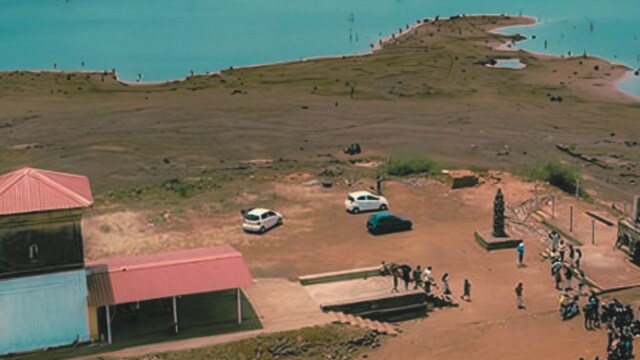
9 / 9A seasonal attraction for visitors: During its brief reappearance, Curdi draws tourists, photographers and history enthusiasts from across Goa and beyond. Often referred to as Goa’s “vanishing village”, it is explored on foot or by boat, depending on how much land is exposed. The phenomenon has turned the village into a rare seasonal destination. (Picture: Department of Tourism, Goa)