
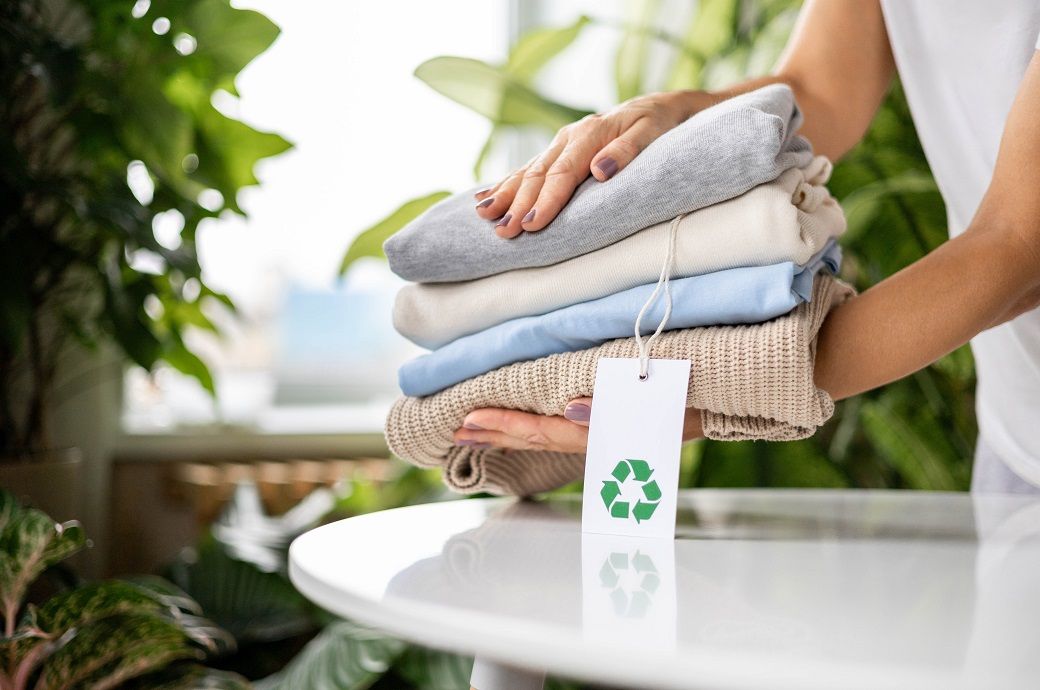
More than 1,700 respondents participated in the study, choosing between T-shirts with different levels of working conditions, health protection and environmental impact. Health risks linked to chemicals in clothing were ranked as the most important factor, followed by working conditions and, lastly, environmental impacts.
A study of over 1,700 Swedish consumers found strong support for avoiding poor clothing production practices, especially health risks from chemicals.
Consumers were willing to pay 60–85 SEK (~$5.50–~$8.00) more per T-shirt to avoid the worst standards, but few would pay extra for top sustainability levels.
Results support clearer EU labelling and targeted premium markets.
On average, consumers were willing to pay an additional 60–85 SEK (~$5.50–~$8.00) per T-shirt to avoid the poorest production standards. In contrast, willingness to pay for reaching the highest sustainability levels was low.
“There is a substantial willingness to pay to avoid the worst alternatives and to reach regulatory minimum standards, but relatively few consumers are willing to pay for further improvements,” said Daniel Slunge, researcher at the University of Gothenburg and co-author of the study.
The study was conducted both with consumers purchasing clothing for themselves and with parents purchasing clothing for their children. The pattern was similar across both groups.
The findings provide important insights for the ongoing development of the European Union’s Ecodesign Regulation, which will introduce more comprehensive product labelling and traceability requirements.
“Our results indicate that producers could cover a significant share of the cost increases associated with making their products more sustainable, if these improvements are clearly communicated to consumers,” said Anders Boman, co-author of the study. “While most consumers are not willing to pay beyond regulatory standards, there are consumer groups who prefer and are willing to pay for higher levels of sustainability. These groups may form an important target market for premium-certified products.”
Fibre2Fashion News Desk (RR)