
Data from Cox & Kings shows that last-minute international bookings made within 15 to 20 days of travel have risen by nearly 30% compared to last winter. Over 65% of these trips are under five days in duration, signalling a clear shift towards compact itineraries that deliver high experience value without prolonged overseas spending. The trend has gathered pace during the Christmas and New Year period, as travellers seek to balance celebration with budget consciousness.
Hence, Dubai and Vietnam have emerged as the most preferred international destinations for Indian travellers this winter, outperforming several traditional favourites despite peak-season crowds. Both destinations offer strong flight connectivity from India, relatively straightforward visa processes and the ability to bundle multiple experiences into short stays, reducing exposure to volatile currency-driven costs.
Also read | 10 Instagram-worthy travel destinations around the world that guarantee picture-perfect memories
“What’s changed most this winter is who is travelling at short notice, Nearly 45% of our last-minute winter bookings are coming from families travelling with children and senior members, especially for destinations like Dubai where safety, medical infrastructure and indoor experiences matter. At the same time, Vietnam is seeing a sharp rise in young adults and first-time international travellers”, said Karan Agarwal, Director Cox & Kings.
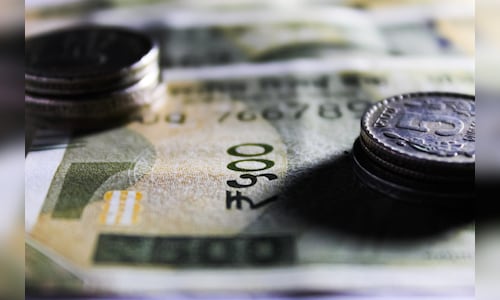
The company has also noted a rise in senior travellers choosing short-haul international holidays. Travellers aged 55 and above are increasingly favouring destinations with reliable infrastructure and limited travel complexity, reflecting a broader preference for certainty and comfort in an environment shaped by a weaker rupee.
Dubai continues to command the largest share of last-minute winter bookings, particularly among families and multi-generational groups. Its appeal lies in a combination of safety, high-quality medical facilities and a wide range of indoor, weather-independent attractions. Direct flights from several Indian cities and a busy winter events calendar have made Dubai a dependable option even during peak travel periods. Many travellers are opting for three- to four-night stays, combining classic sightseeing with experiences such as indoor snow parks, desert safaris with curated dining, theme parks for children and relaxed waterfront dining suited to senior travellers.
Also read | Foreign tourists spent $35 billion in India in 2024: 10 interesting facts about international visitors
Vietnam, in contrast, has positioned itself as the season’s standout value destination. According to Cox & Kings, it is the fastest-growing market for last-minute winter bookings among millennials, Gen Z travellers and young couples. While winter is Vietnam’s peak travel season and availability can be tight, clarity around e-visa processes and improving air connectivity have encouraged continued late-stage bookings.
Young professionals, groups of friends and first-time international travellers are increasingly drawn to Vietnam for experiences ranging from Ha Long Bay cruises and cultural stays in Hoi An to Hanoi’s café culture and nature-led adventures in the north. Social media exposure around Vietnam’s food, nightlife and scenery has further fuelled spontaneous travel decisions.
Beyond individual destinations, the falling rupee has accelerated a broader behavioural shift among Indian travellers. Consumers are deciding faster, travelling for shorter durations and prioritising experiences over long stays. There is also a clear tilt towards destinations offering visa-on-arrival or streamlined e-visa facilities. Countries such as Oman, Sri Lanka and Bali are seeing growing last-minute interest, though Dubai and Vietnam continue to lead by a wide margin.
As currency pressures persist, Indian travellers are recalibrating how they travel rather than giving up international holidays altogether. Cox & Kings expects last-minute overseas bookings to remain strong through the winter, underscoring a fundamental change in Indian travel preferences shaped by the realities of a falling rupee.