

 1 / 8
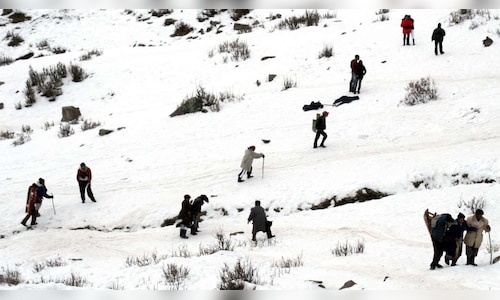
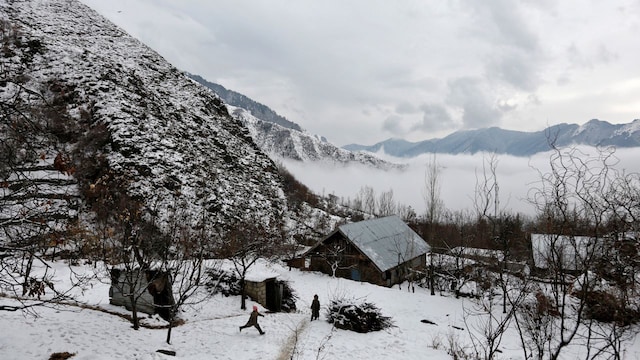
1 / 8Winter transforms many Indian destinations into stunning landscapes, but some turn dangerously inaccessible. From frozen passes to oxygen-scarce high-altitude lakes, here’s a look at places you should avoid this season, and the safer, equally beautiful alternatives.
 2 / 8
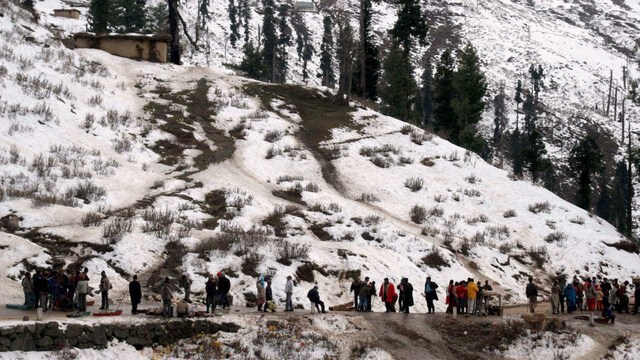
2 / 8Zanskar Valley, Ladakh | Zanskar becomes completely cut off when the passes freeze, leaving no vehicle access. Only locals walk over the frozen river—conditions far too extreme for travellers. Safer winter pick: Stay in Leh, explore monasteries, and enjoy Ladakh’s calm winter charm safely.
 3 / 8
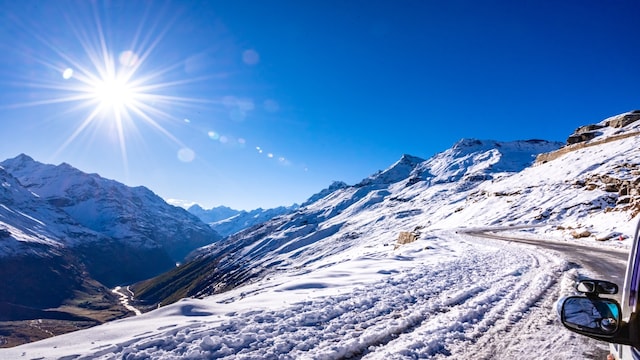
3 / 8Upper Spiti, Himachal Pradesh | Spiti turns extremely harsh once winter sets in, with roads to Kaza buried under deep snow for months. Sub-zero temperatures and limited access to basic facilities make travel unsafe. Safer winter pick: Head to Kalpa or Sangla—both remain connected and offer stunning snowy Himalayan views.
 4 / 8
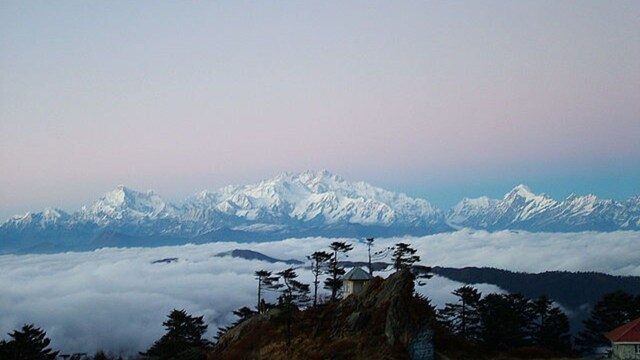
4 / 8Sandakphu, West Bengal | Heavy snowfall turns the Sandakphu trek slippery and risky, with storms reducing visibility and authorities often restricting routes. Safer winter pick: Choose Darjeeling, Manebhanjan, or Lepchajagat for gorgeous mountain views without the hazards.
 5 / 8
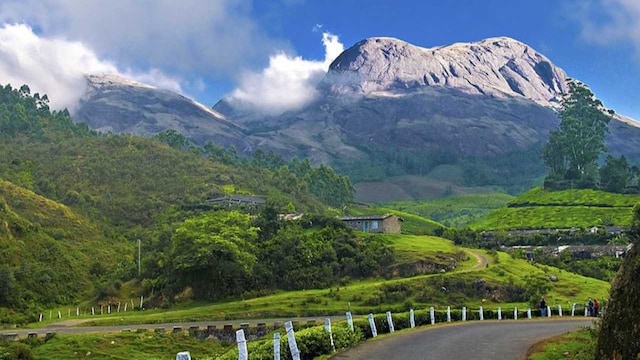
5 / 8Neelakurinji Region Trails, Kerala | The upper Munnar forest trails close in winter due to fog, wet terrain, and forest restrictions to protect biodiversity. Trekking here becomes unsafe and off-limits. Safer winter pick: Enjoy Munnar town, tea gardens, and sunrise points like Kolukkumalai, which stay open and scenic.
 6 / 8
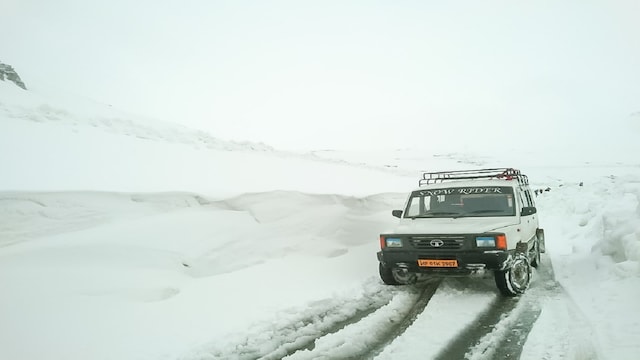
6 / 8Rohtang Pass, Himachal Pradesh | Rohtang shuts completely in winter as heavy snow and avalanche risks make the route impossible to navigate. No tourist entry is allowed till the spring thaw. Safer winter pick: Visit Solang Valley, Atal Tunnel, or Sissu, which remain accessible and offer fun winter activities. (Photo: IANS)
 7 / 8
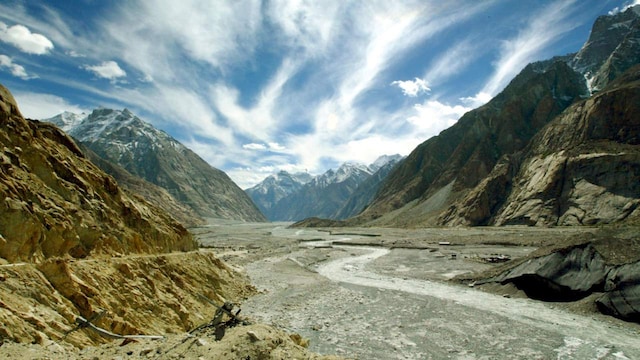
7 / 8Siachen Base Camp Route, Ladakh | Already restricted for civilians, the region becomes even more life-threatening in winter with extreme temperatures and severe storms. Safer winter pick: Explore Nubra Valley via accessible sections of Khardung La for peaceful winter landscapes.
 8 / 8
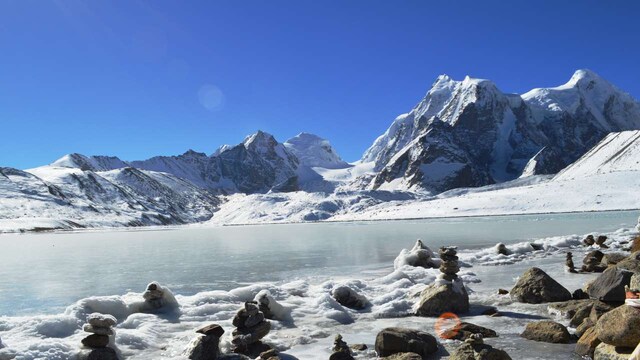
8 / 8Gurudongmar Lake Region, Sikkim | At 17,000 ft, the lake and approach roads freeze solid, oxygen drops sharply, and authorities usually close access due to dangerous weather. Safer winter pick: Visit Tsomgo Lake or Nathula Pass (with permits), which remain operational during much of winter.