
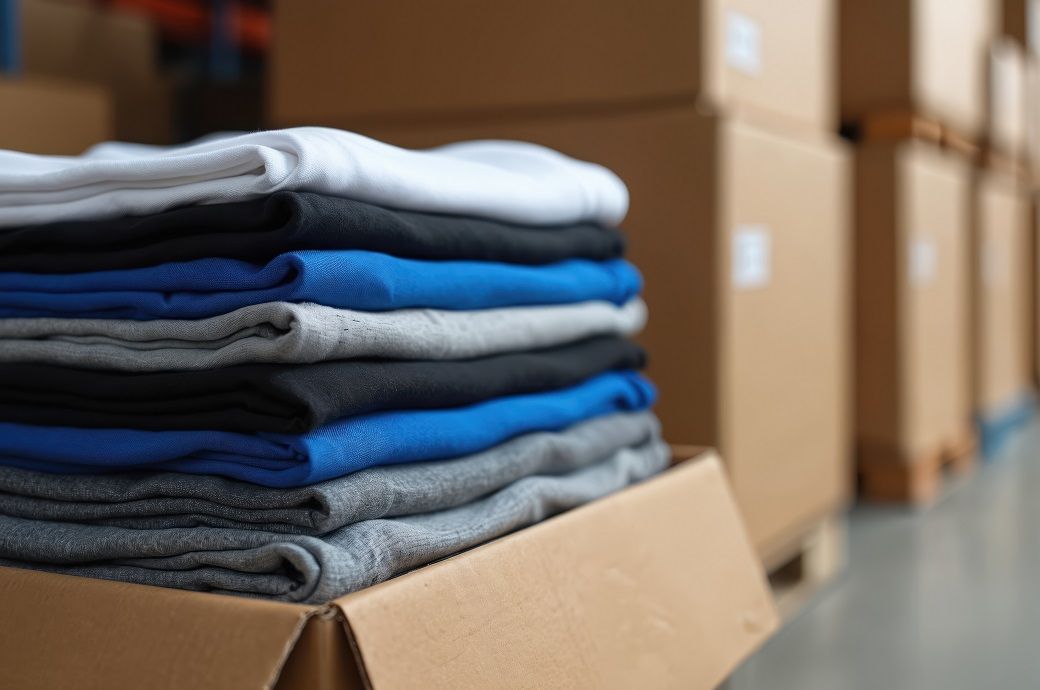
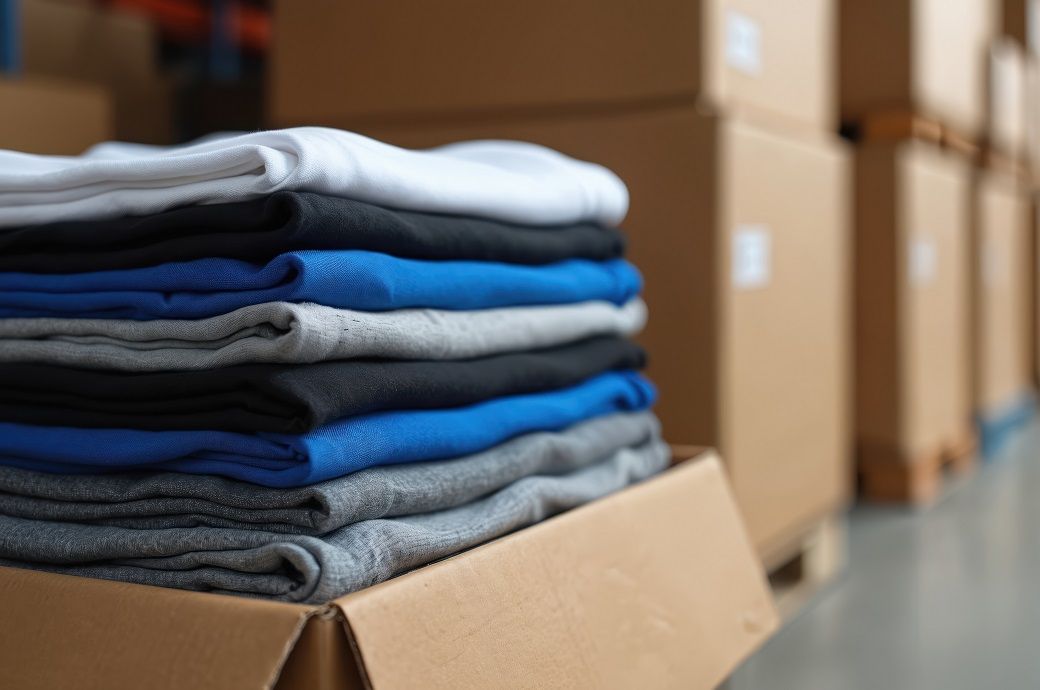
Apparel imports (code **) eased marginally by *.** per cent to Au$*.*** billion (~$*.*** billion), compared with Au$*.*** billion a year earlier. Retailers continued to operate with tighter stock-management strategies amid soft discretionary spending. The conservative buying behaviour stems from persistent cost-of-living pressures, extended inventory cycles from ****, and a shift towards just-in-time replenishment to reduce carrying costs. Despite muted year-to-date activity, October strengthened as imports rose *.** per cent year-on-year to Au$*.*** billion (~$*.*** billion), reflecting earlier inventory planning for November promotions and festive-season demand. Stronger October inflows also signal improved consumer confidence heading into peak trading months.
Imports of textile yarn, fabrics, and made-up articles (code **) remained a key growth area, rising *.** per cent to Au$*.*** billion (~$*.*** billion). October shipments under this category climbed to Au$*** million, up from Au$*** million in October ****, indicating stable production cycles across apparel, upholstery, and technical textile applications. The increase reflects steady demand from domestic manufacturers and continued recovery in local garment and home textile production hubs, which are replenishing raw materials after earlier supply-chain constraints.