
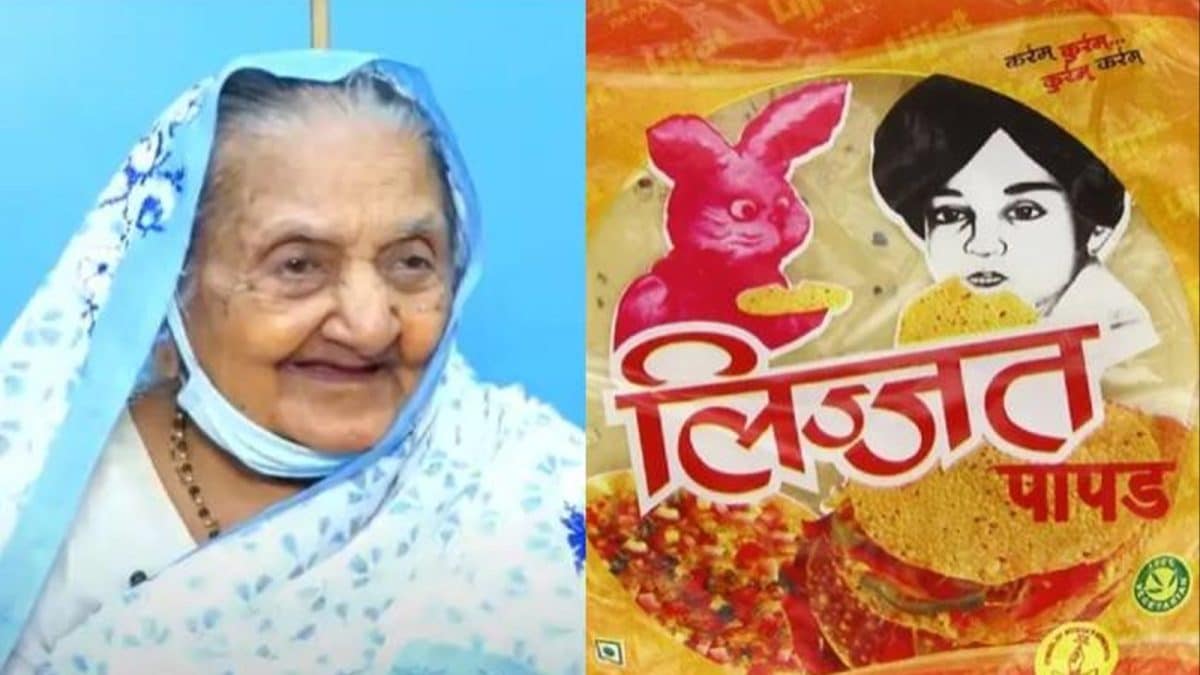

With just ₹80 borrowed as seed capital, they began making papads on a rooftop in Girgaum. Their goal wasn’t just to earn money; it was to create a sustainable livelihood that preserved dignity and self-reliance. (Image: Instagram)

They formed a cooperative model called Shri Mahila Griha Udyog Lijjat Papad, where every woman was a co-owner, not an employee. This structure ensured that profits were shared equally and decisions were made collectively. Over time, the cooperative grew organically, attracting more women who wanted to join. The model proved so successful that it expanded across India, setting up branches in multiple states and maintaining a debt-free, self-funded structure. (Image: Facebook)

Today, Lijjat Papad employs over 45,000 women and operates more than 80 branches nationwide. It remains a completely women-run enterprise, with no external investors or corporate interference. The organization has diversified into other products like masalas, detergents, and bakery items, but papads remain its flagship product. The cooperative’s annual turnover has crossed ₹1,600 crore, and its products are exported to over 25 countries. (Image: Facebook)
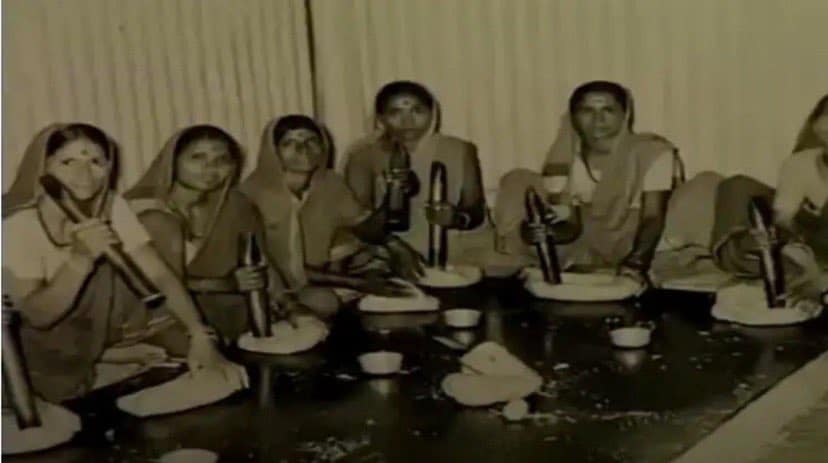
Beyond financial success, Lijjat Papad has become a symbol of empowerment. It offers women from economically disadvantaged backgrounds a chance to earn, learn, and lead. Members receive training, financial literacy, and a sense of ownership that transforms their lives. (Image: X)
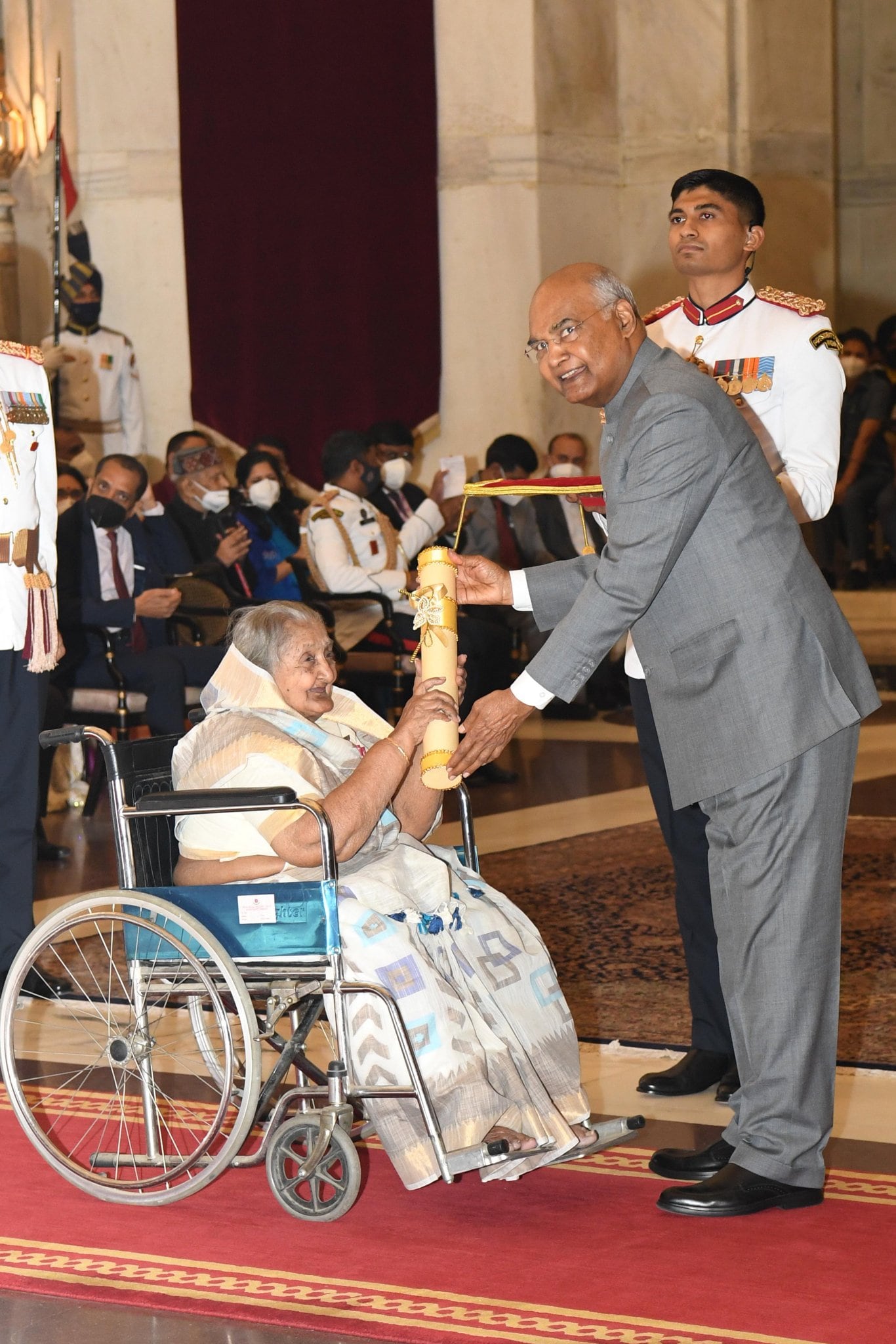
The organization has received numerous accolades, including the Padma Shri awarded to co-founder Jaswantiben Popat in 2021. Business schools and social enterprises often cite Lijjat as a model for inclusive growth and sustainable development. (Image: X)
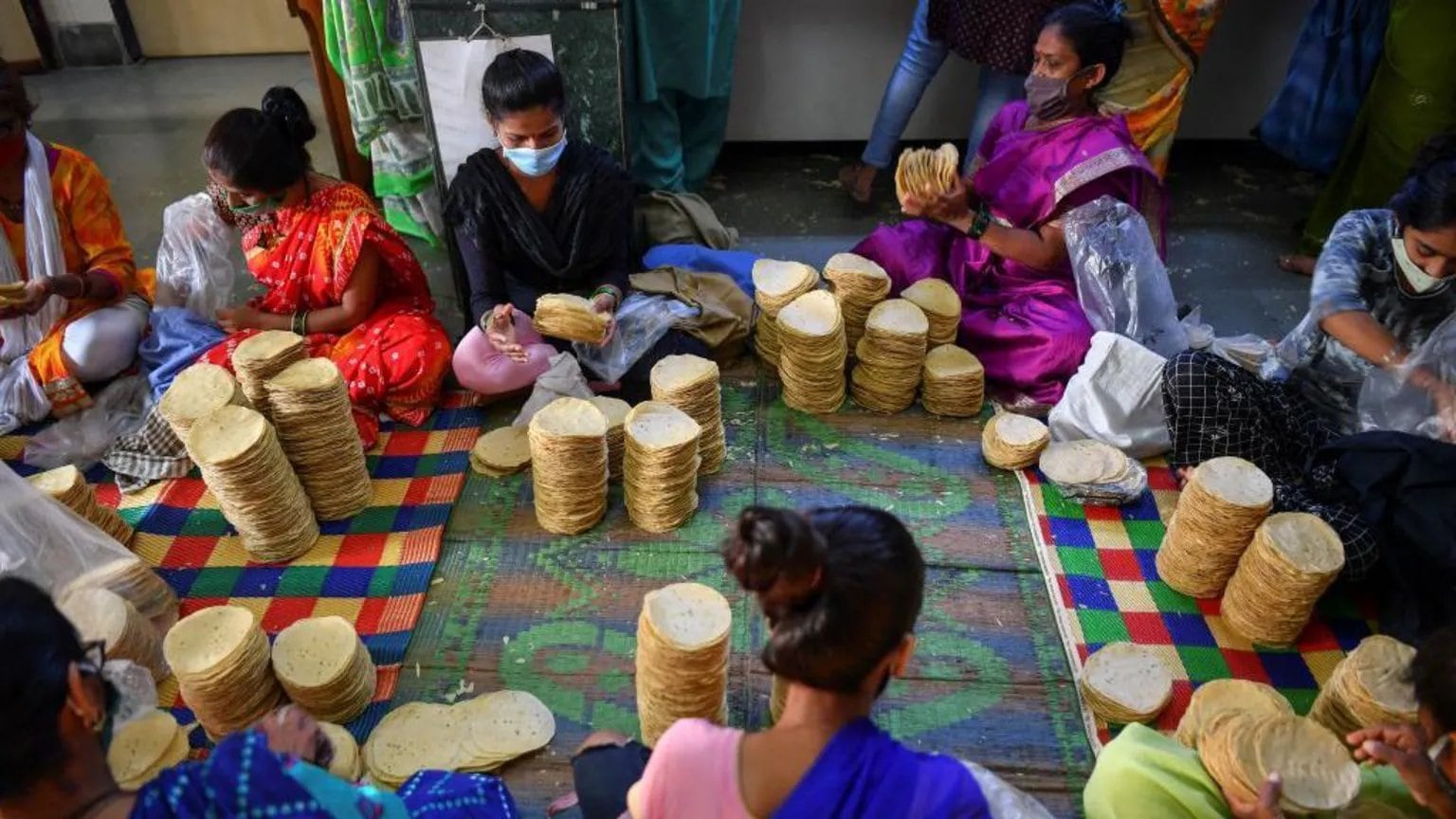
From a modest rooftop to a global brand, Lijjat Papad’s journey is a testament to what collective vision, resilience, and community-driven entrepreneurship can achieve. It’s not just a business; it’s a movement that continues to uplift thousands of women across India. (Image: X)