
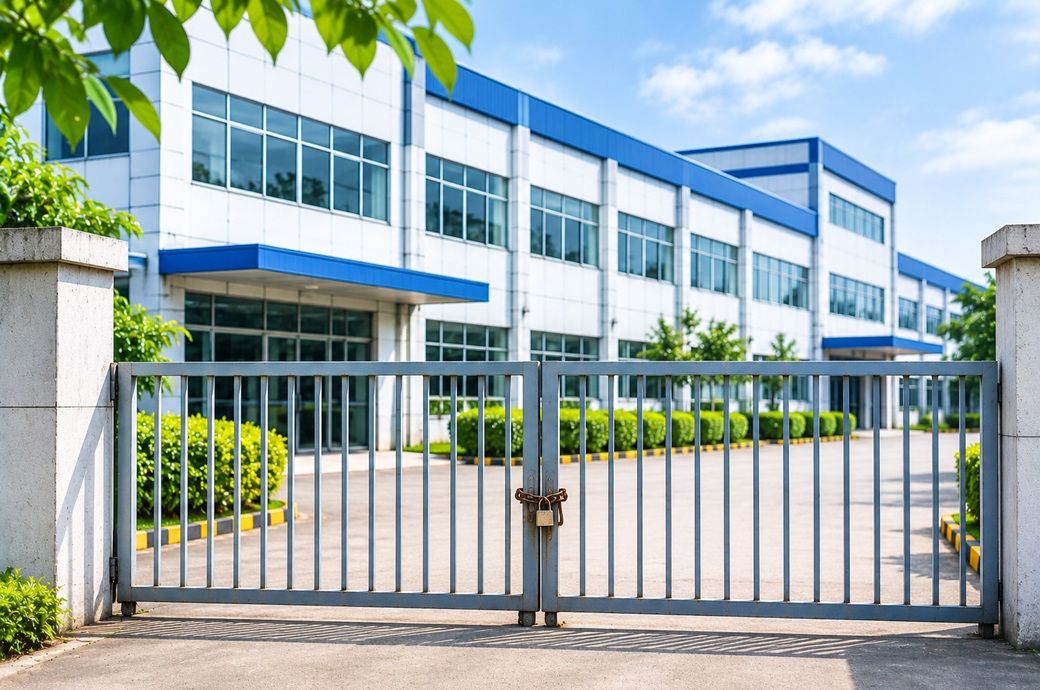
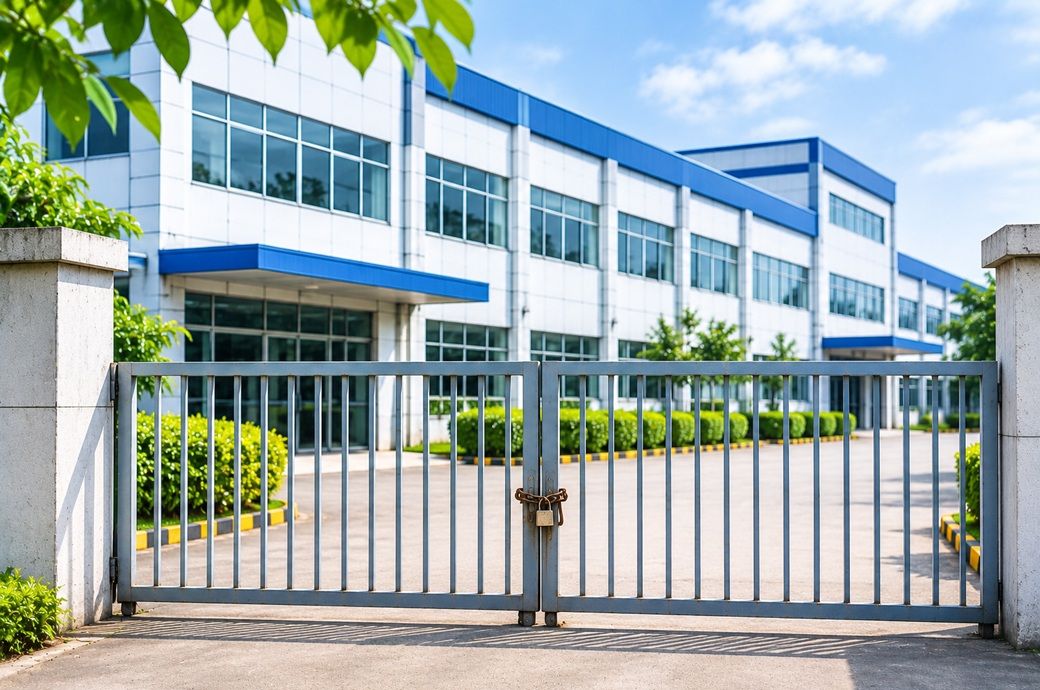
The Bangladesh Garment Manufacturers and Exporters Association (BGMEA) warned that factory owners could invoke Section 13(1) of the Bangladesh Labour Act 2006 to close factories indefinitely if unrest and violence continued, saying vandalism, disorder and production disruptions were preventing wage discussions from proceeding normally, according to local media reports.
Wage protests have halted more than 100 garment factories in Gazipur, Ashulia and Savar, with 11 units announcing indefinite closures ahead of Bangladesh’s minimum wage talks.
Workers proposed Tk32,000 (~$256) a month, while employers may submit a proposal but boycott Monday’s Minimum Wage Board meeting.
RMG accounts for around 80 per cent of Bangladesh’s $48 billion in annual exports.
The six-member board, formed on November 1, is due to hold its third meeting on Monday to consider a revised wage structure after workers’ representatives proposed at the November 9 meeting that the minimum monthly wage be raised to Tk32,000 (~$256) from the current Tk12,500 (~$100), set in December 2023. Employers were given four days to prepare their proposal, due Sunday, and Monday’s meeting is scheduled to discuss recommended wages for all categories of garment workers and employees. Employers may submit their formal wage proposal to the Minimum Wage Board but boycott Monday’s meeting, local media reported.
The workers’ proposal comprises Tk19,200 (~$154) in basic pay, Tk9,600 (~$77) in house rent and Tk3,200 (~$26) in medical, transport, food and other allowances. Workers proposed four wage grades: Tk48,000 (~$385) for Grade 1, Tk43,000 (~$345) for Grade 2, Tk38,000 (~$305) for Grade 3 and Tk32,000 (~$256) for Grade 4. Apprentices would receive Tk30,000 (~$240), including Tk18,000 (~$144) in basic pay.
Bangladesh’s minimum garment wage rose from Tk1,662.50 (~$13) in 2006 to Tk3,000 (~$24) in 2010, Tk5,300 (~$42) in 2013, Tk8,000 (~$64) in 2018 and Tk12,500 (~$100) in 2023. Bangladesh’s minimum garment wage at about $102 a month, below India at $124, China at $294, Cambodia at $208, Indonesia at $172, Vietnam at $163 and Pakistan at $135. The ready-made garment sector accounts for around 80 per cent of Bangladesh’s $48 billion in annual exports and directly employs about four million workers.
Seven factories in Savar and Ashulia have been closed indefinitely under Section 13(1), as per local media. These include Arunima Sports Wear Ltd, DMC Apparels Ltd and DMC Wash Ltd in Zirabo, Ashulia, and Jeans Manufacturing Company Ltd at Padma Mor in Hemayetpur, Savar, all shut on Thursday. Three Newage Group factories, Newage Garments Ltd, Newage Apparels Ltd and Keilock Newage Bangladesh Ltd, in Nishchintapur, Ashulia, have remained closed since Tuesday, with closure notices displayed at the factories.
In Gazipur, MM Knitwear Limited in Konabari announced an indefinite closure from Thursday to prevent further unrest, while workers of Islam and Standard Garments gathered outside their factories in the Konabari and Jarun areas.
Fibre2Fashion News Desk (CG)