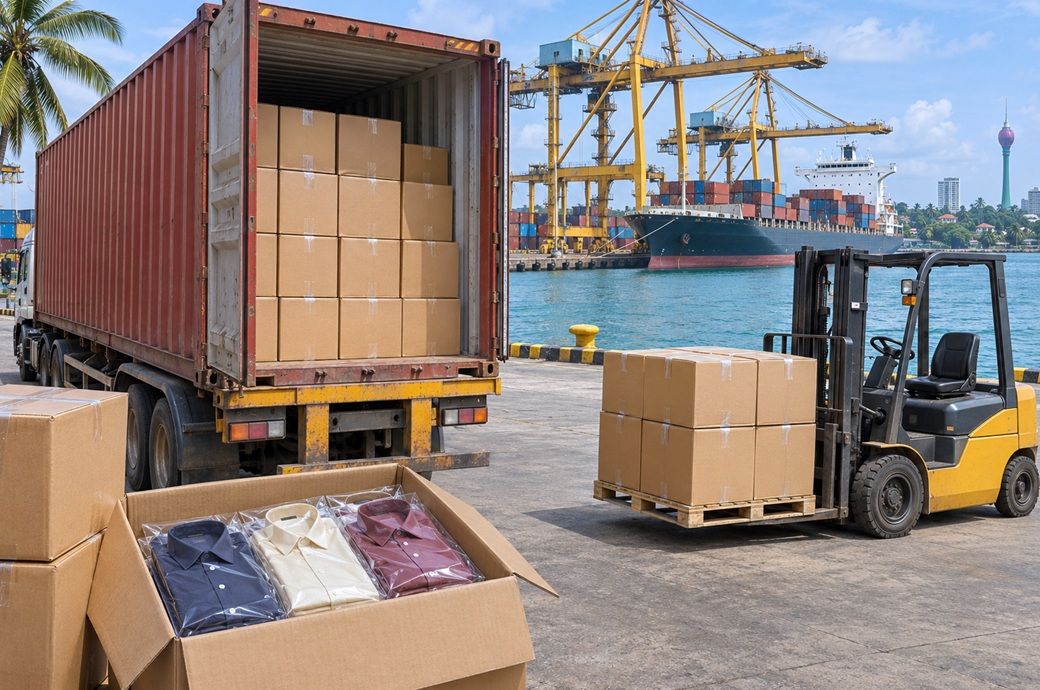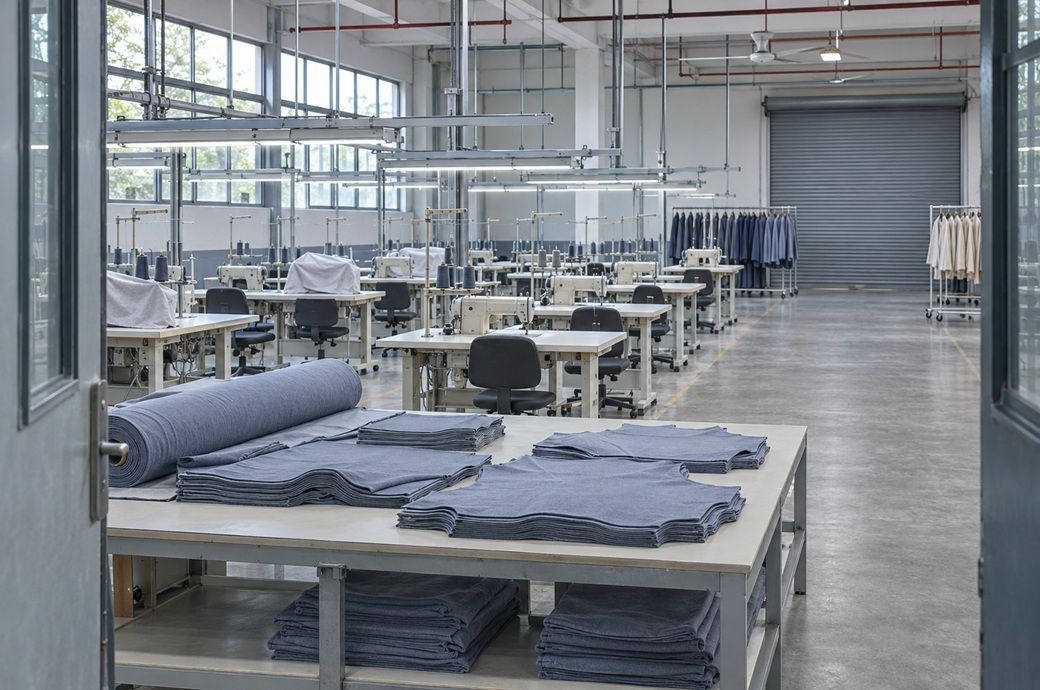

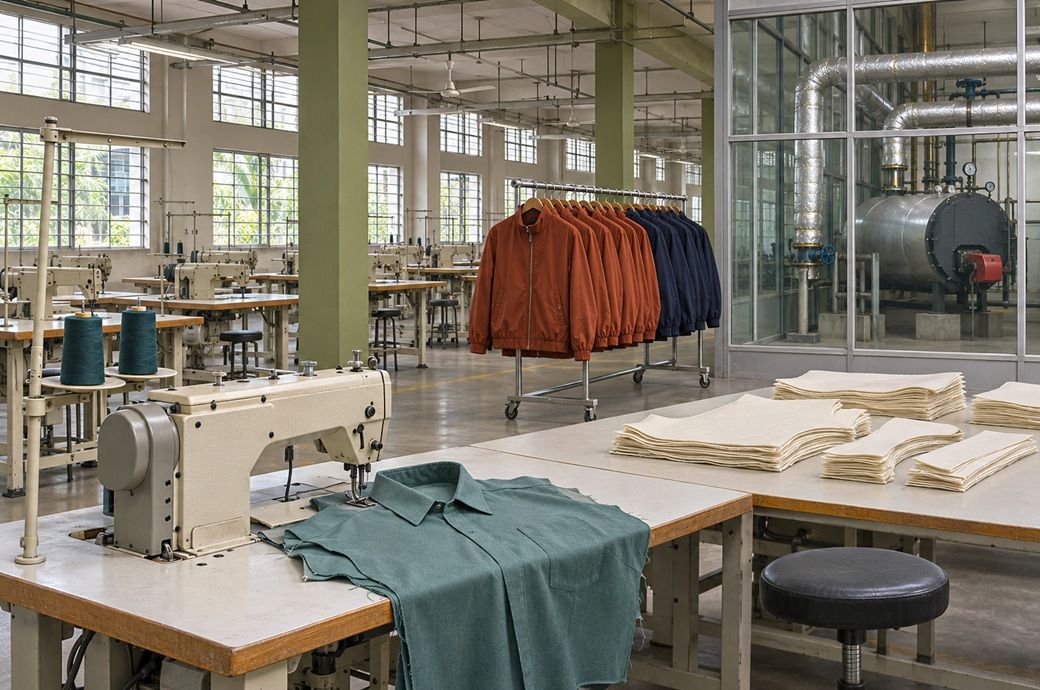
The energy crisis had been weighing on Bangladesh’s industrial sector well before the latest labour unrest; manufacturers had been grappling with inadequate gas supplies and unreliable electricity for years, with the situation worsening during 2026 amid declining domestic gas availability and disruptions to imported LNG supplies.
The situation deteriorated further on July 21, when a fire-related technical disruption forced the shutdown of an LNG terminal, according to media reports. Although the terminal subsequently resumed operations, supply disruptions reportedly continued, including another temporary suspension in August amid inadequate LNG stocks.
Bangladesh’s RMG sector faces buyer-confidence risks after wage protests halted more than 500 factories on November 1 and nearly 700 the next day.
Earlier gas and power shortages cut daily gas supply by 450–500 million cubic feet and caused 30–40 per cent production-capacity losses.
A six-member wage board aims to set revised pay by December 2026, with new wages to be paid in January 2027.
The disruption reportedly reduced daily gas supplies by an estimated 450–500 million cubic feet. Within weeks, garment manufacturers were reporting production-capacity losses of 30–40 per cent, according to media reports citing industry bodies. Factories in major industrial belts were forced to reduce operating hours, while textile mills, dyeing units and washing plants struggled to maintain production.
The electricity situation compounded the damage, leaving manufacturers with little choice but to depend on expensive diesel, LPG, and other alternative fuels to keep production going. The consequences: higher production costs, wasted working hours and delayed shipments, adding to the financial burden on manufacturers.
The extent of the financial strain was evident in August, when the Bangladesh Knitwear Manufacturers and Exporters Association (BKMEA) reportedly sought permission to pay July and August utility bills in 12 instalments, citing losses caused by energy disruptions.
Initially, buyers continued to maintain their orders, largely because established Bangladeshi suppliers were making extraordinary efforts to meet their commitments. However, this resilience came at a cost; in August, exporters reported that some buyers were reducing orders, while manufacturers were reportedly hesitant to accept additional business that they could not confidently execute amid production uncertainties.
The implications for buyer confidence are significant as repeated uncertainty over production and shipment schedules could prompt buyers to consider alternative sourcing arrangements.
It was against this already difficult backdrop that the latest wave of labour unrest took place, which only added to the industry’s woes. Workers reportedly demanded a minimum monthly wage of Taka 30,000 (~$241), against the existing Taka 12,500 (~$100), even as demonstrations spread across major industrial areas, including Mirpur, Ashulia, Savar and Gazipur, forcing hundreds of factories to suspend operations.
Media reports indicated that more than 500 factories had to halt production on November 1, with the number reportedly approaching 700 the following day.
The renewed disruptions also reportedly raised concerns among buyers amidst apprehensions of possible order shifts, even as the existing situation reportedly prompted some buyers to reconsider scheduled factory visits.
The longer-term implications of such incidents could be significant. Industry experts cautioned that orders were rarely lost in a single dramatic moment. Instead, sourcing decisions could change gradually, beginning with smaller allocations, followed by trial orders and eventually longer-term sourcing arrangements. By the time such losses became visible in export statistics, buyers might already have moved on to alternative destinations.
Thankfully, some media reports suggest production had resumed at most garment factories, especially across the Savar and Ashulia industrial belts. This came even as the government had formed a six-member minimum wage board to recommend a revised pay structure for more than four million garment workers, which reportedly held its first meeting on Wednesday, with representatives of both workers and employers agreeing to complete the wage determination process by December 2026.
However, other reports suggest fresh clashes between workers and police took place on Wednesday in Gazipur, Narayanganj, and Savar, with protesters allegedly blocking key roads and forcing some factories to suspend operations in Gazipur and Savar.
The revised minimum wage structure is scheduled to take effect from December 1, 2026, with the revised wages to be paid along with December salaries in January 2027, even as stakeholders have emphasised that recurring uncertainty could negatively influence buyers’ confidence and have long-term ramifications for businesses.
Fibre2Fashion News Desk (DR)