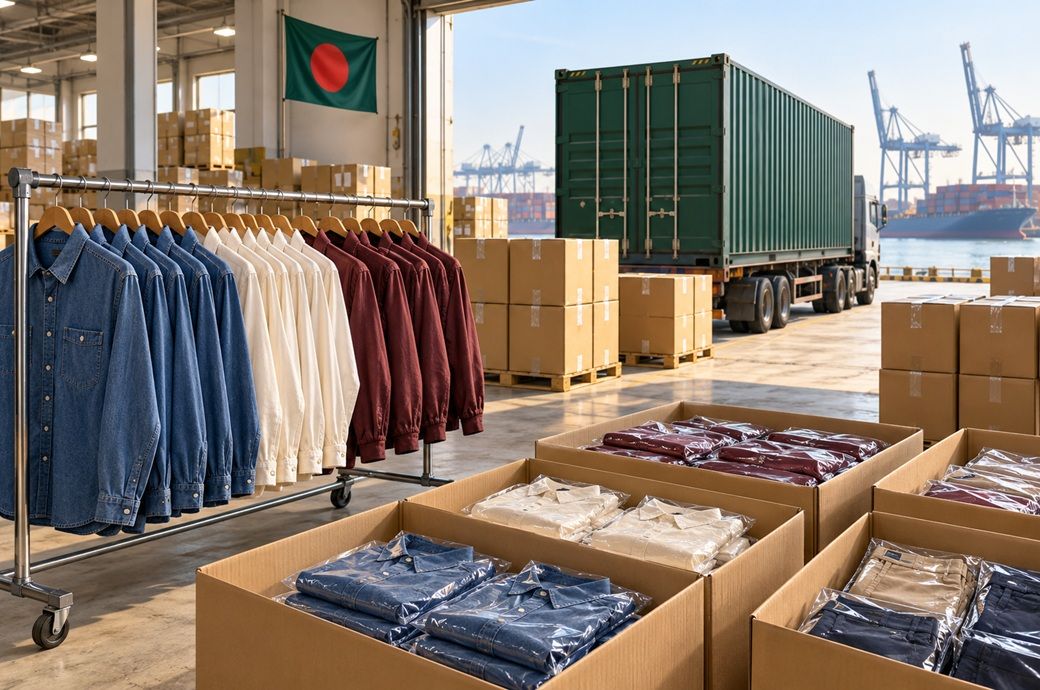

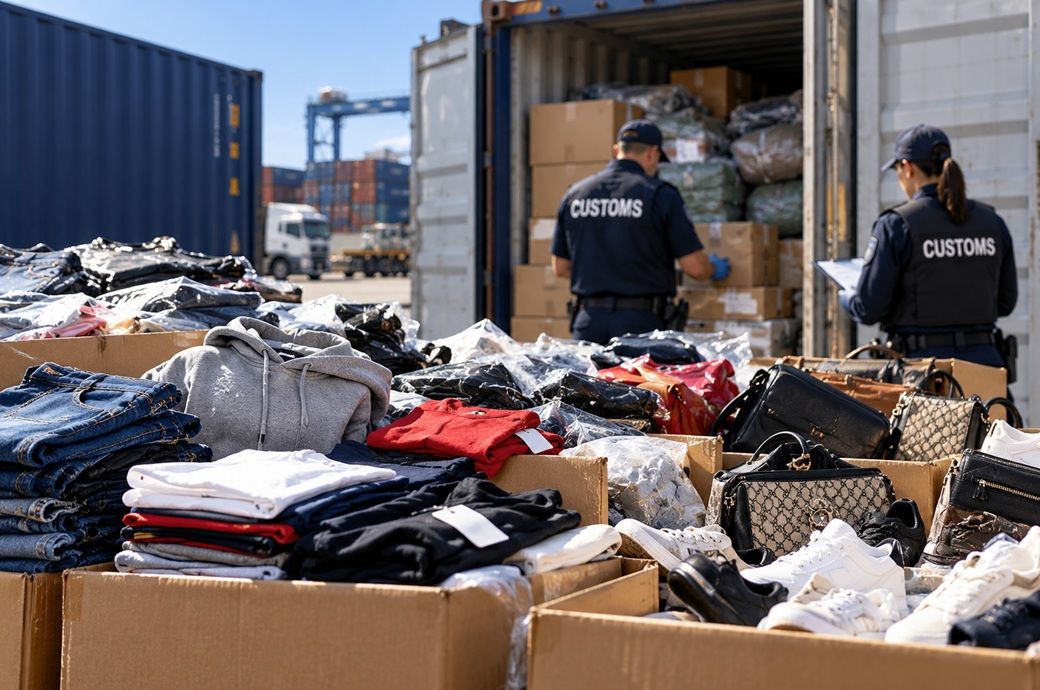
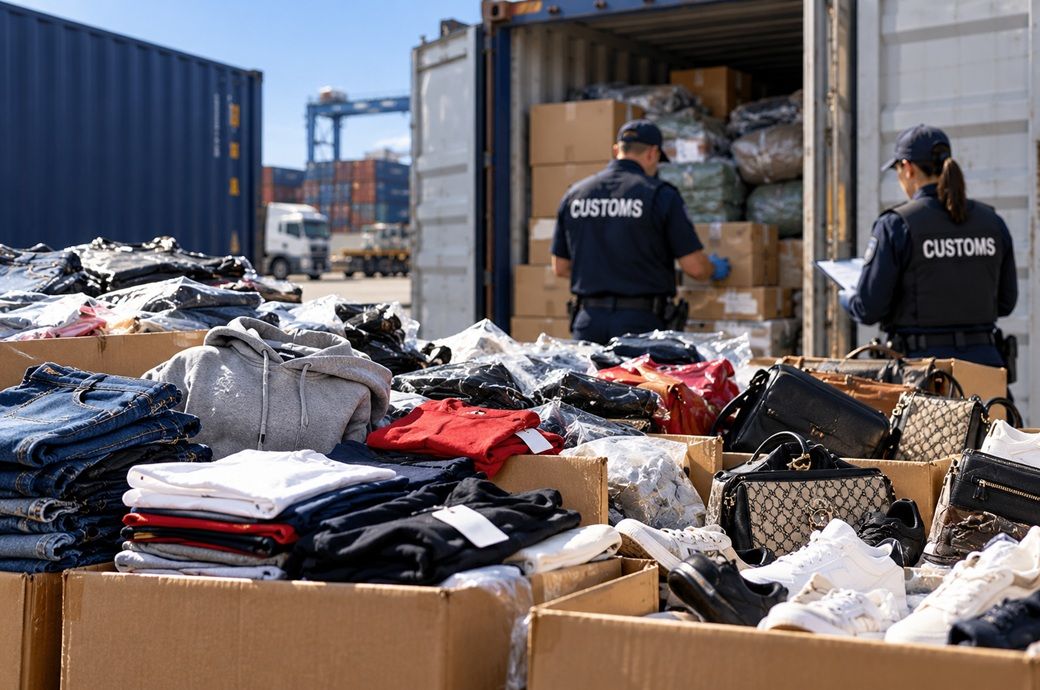
Clothing accounted for nearly one in five detained items, remaining among the most-seized categories, the Commission said.
EU authorities seized a record 196 million counterfeit items worth €6.3 billion ($7.1 billion) in 2025, up 67 per cent from 2024, the European Commission said.
Clothing accounted for nearly one-fifth of detained items.
Customs intercepted 42 million goods at EU borders, with most cases linked to express courier and postal shipments associated with e-commerce.
At the EU external border, customs authorities alone detained about 42 million items worth almost €2 billion (~$2.2 billion), also a new high. Most detention cases by EU customs took place in express courier and postal consignments typically linked to e-commerce, the European Commission said in a press release.
The Commission said counterfeit goods continued to threaten consumer safety, fair competition and innovation, and that the figures showed the scale and complexity of intellectual property infringement across physical and digital marketplaces, as well as co-ordinated enforcement across customs, police and market surveillance authorities.
Customs faced increasing challenges from the growing volume of goods entering the EU through e-commerce, combined with fragmented supply chains and diverse transport methods. The recently adopted EU Customs Reform will introduce an EU Customs Authority, which will develop and manage a data-driven, AI-powered EU Customs Data Hub to track supply chains in real time and identify high-risk shipments faster, added the release.
Border enforcement was concentrated among a small group of member states in 2025. Romania, Bulgaria, Italy, the Netherlands, Germany, France and Belgium accounted for 90 per cent of the total volume of items detained by EU customs authorities. Spain, Germany, the Netherlands, France, Belgium, Greece and Poland were responsible for 90 per cent of the total estimated value.
Mainland China; Hong Kong, China; and Turkiye remained the most prominent places of provenance for counterfeit goods. Sea cargo remained the primary mode of transport for detained counterfeit articles at the EU border by value, while road transport surpassed it for the first time by number of articles detained, it noted.
Trademarks were the most frequently infringed intellectual property rights among detained goods, followed by designs. Labels and packaging material remained prominent among goods detained by customs, falsely suggesting production and/or assembly of counterfeit goods in the EU to circumvent detention at the EU border.
The commission highlighted the need to strengthen enforcement action both to keep citizens safe from potentially dangerous products and to protect domestic industry from theft of intellectual property.
Fibre2Fashion News Desk (CG)