
Built as ancient refuges and vast aqueduct networks, these 6 historic subterranean settlements around the world are fully open for public walking tour…

 1/6
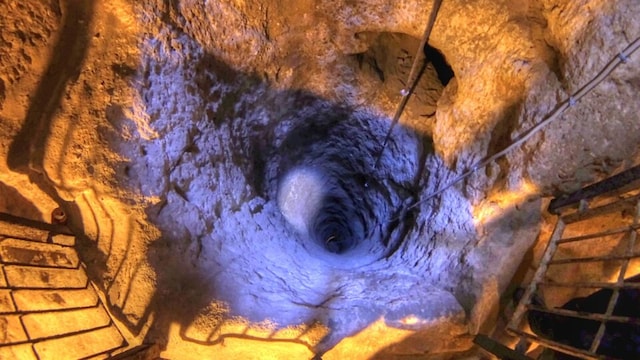
1/6Derinkuyu Underground City, Cappadocia, Turkey | Plunging up to 85 metres beneath the volcanic plains of Central Anatolia, Derinkuyu is an engineering marvel carved into soft tuff rock by the ancient Phrygians around the 8th century BC and later expanded by Byzantine Christians as a massive subterranean refuge. Built to sustain up to 20,000 people along with their livestock, this sprawling multi-level complex featured functioning ventilation shafts, communal kitchens, stone-wheeled security doors, and subterranean wine presses. Today, travellers can easily visit via daily public tours from Göreme to walk through eight well-lit, fully preserved underground storeys. (Image source: Wikimedia Commons)
 2/6
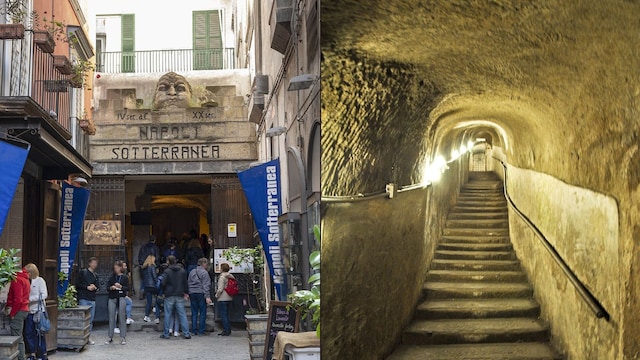
2/6Naples Underground (Napoli Sotterranea), Naples, Italy | Buried 40 metres directly beneath the bustling historic streets of modern Naples lies a 2,400-year-old subterranean labyrinth first quarried by ancient Greek settlers in the 4th century BC to extract tuff stone for city fortifications. Later expanded by the Romans into a vast network of aqueducts and cavernous rainwater cisterns, and eventually repurposed as air-raid bomb shelters during World War II, this underground world is accessible via daily guided walking tours starting from Piazza San Gaetano, where visitors navigate illuminated aqueduct corridors and historic water chambers. (Image source: Wikimedia Commons)
 3/6
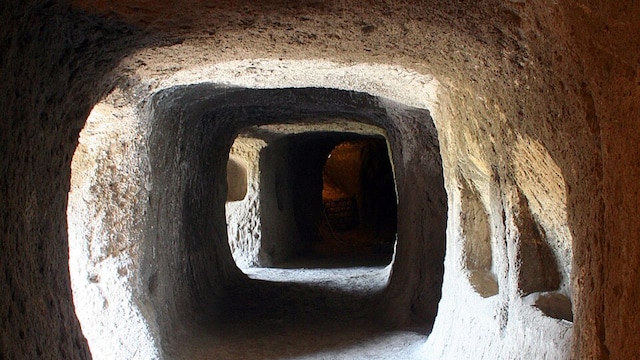
3/6Orvieto Underground, Umbria, Italy | Carved into the sheer volcanic tuff cliff beneath the medieval hilltop town of Orvieto, this hidden subterranean city spans over 1,200 interconnected caves, tunnels, and chambers created by the ancient Etruscans starting around the 6th century BC. Across 2,500 years of continuous excavation, local inhabitants engineered underground olive oil pressing mills, medieval pigeon-breeding roosts (columbaria), and emergency escape passageways; visitors can explore these spacious, cool underground chambers on official guided walking tours that depart daily right across from the Orvieto Cathedral. (Image source: Wikimedia Commons)
 4/6
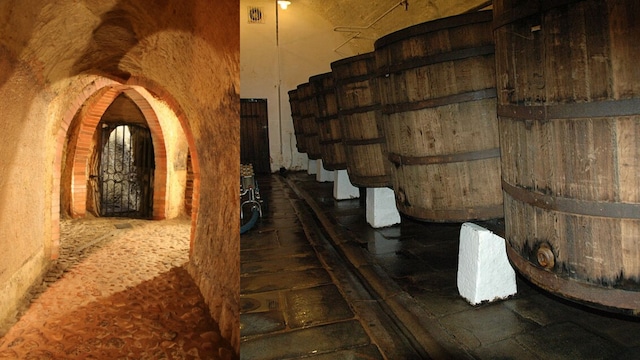
4/6Pilsen Historical Underground (Plzeňské Historické Podzemí), Plzeň, Czech Republic | Stretching for nearly 20 kilometres beneath the cobblestone streets of Plzeň, this intricate subterranean labyrinth was hand-hewn into sandstone bedrock starting in the late 13th century. Designed as a functional underground extension of the medieval city, the two-to-three-level network housed food cellars, workshops, fermentation vats, and vital water conduits that allowed residents to survive prolonged military sieges. Easily accessible via regular daily guided walking tours (with hard hats provided) from the Brewery Museum in the historic city centre, visitors explore roughly 800 metres of illuminated historic corridors, ice cellars, and water wheels. (Image source: Wikimedia Commons)
 5/6
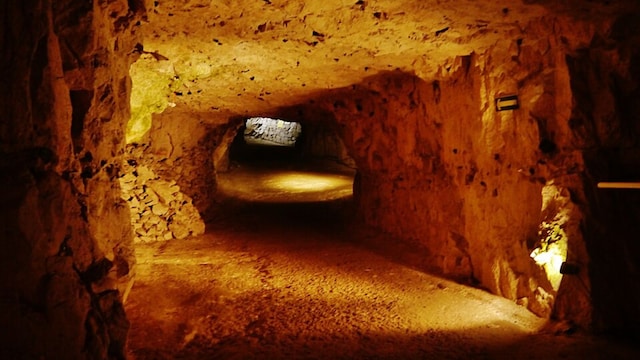
5/6The Underground City of Naours (Cité Souterraine de Naours), Picardy, France | Originally excavated as a Roman-era limestone quarry in the 3rd century AD, this sprawling underground settlement was later expanded into an organised subterranean village of 300 rooms and 28 galleries to shield up to 3,000 villagers from invading armies during the Middle Ages and the Thirty Years’ War. Known as ‘Les Muches’, the complex features underground stone streets, residential quarters with soot-stained chimneys, stables, chapels, and thousands of historical graffiti etched into the chalk walls by Allied soldiers during World War I. It is fully open for self-guided audio walking tours just a short drive from Amiens. (Image source: Wikimedia Commons)
 6/6
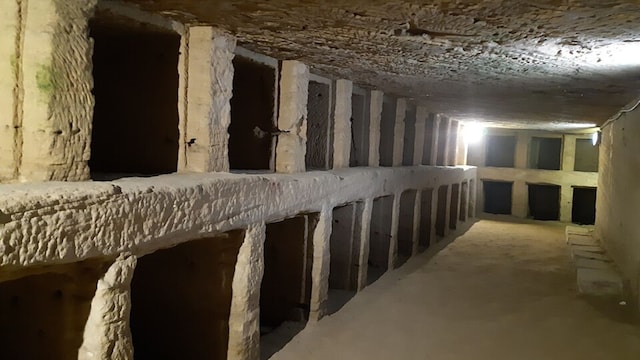
6/6Catacombs of Kom el Shoqafa, Alexandria, Egypt | Recognised as one of the Seven Wonders of the Medieval World, this multi-level subterranean complex was hand-carved into solid bedrock in the 2nd century AD, showcasing an architectural fusion of ancient Pharaonic, Hellenistic Greek, and Roman funerary traditions. Descending through a large central spiral staircase, visitors can walk through the grand circular rotunda, explore underground burial chambers, and step inside the Triclinium, a rock-cut subterranean dining hall where ancient mourners gathered for commemorative banquets on stone couches. The site is fully maintained by Egypt’s antiquities authority with modern walkways and lighting. (Image source: Wikimedia Commons)