
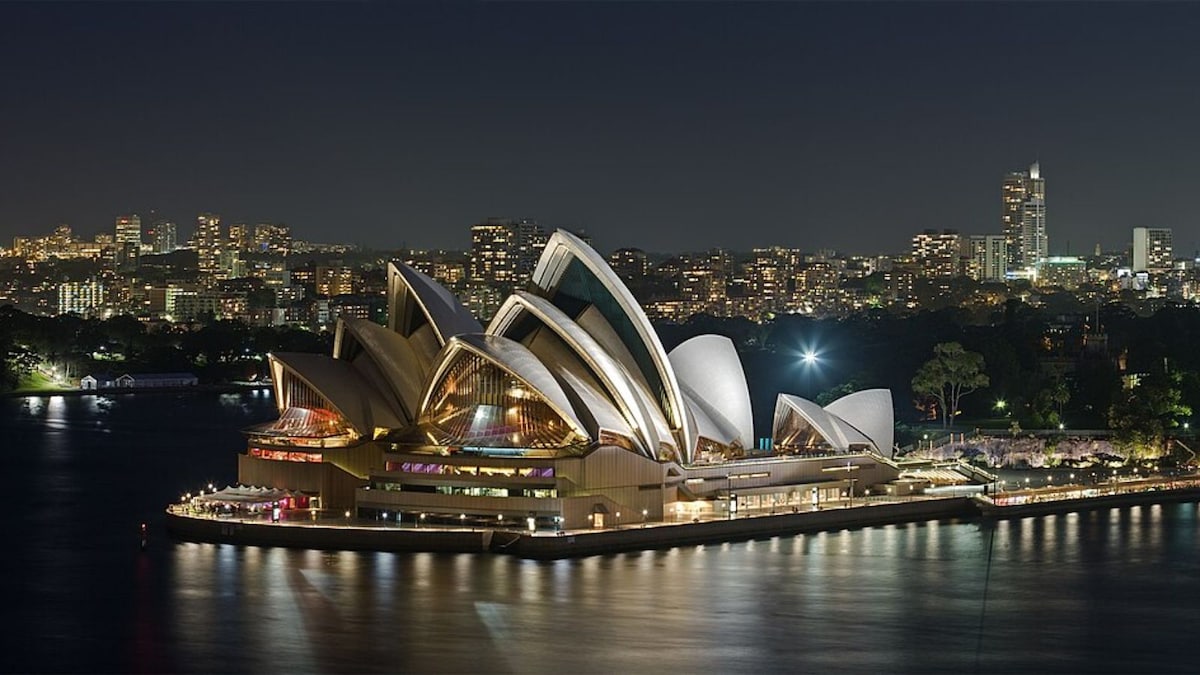
From the gilded halls of Paris and Milan to the harbour sails of Sydney, explore some of the world’s most spectacular, active opera houses you can vis…

 1/6
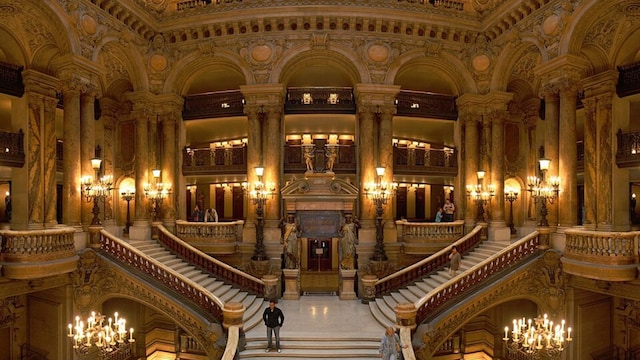
1/6Palais Garnier, Paris, France | Commissioned by Emperor Napoleon III and designed by Charles Garnier in the lavish Beaux-Arts style, the Palais Garnier opened in 1875 as the crown jewel of Parisian theatrical architecture. Beyond its monumental Grand Staircase crafted from white Italian marble and polychrome Swedish stones, the horseshoe-shaped auditorium is capped by a seven-tonne bronze-and-crystal chandelier and a vibrant ceiling fresco painted by Marc Chagall in 1964. Immortalised as the setting for Gaston Leroux’s ‘The Phantom of the Opera’, this active home of the Paris Opera Ballet is open daily for daytime architectural tours and world-class live dance and lyric performances. (Image source: Wikimedia Commons)
 2/6
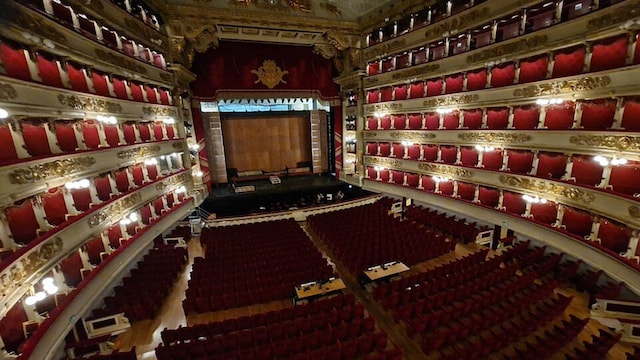
2/6Teatro alla Scala, Milan, Italy | Inaugurated in 1778 under the auspices of Empress Maria Theresa of Austria to replace the fire-ravaged Teatro Regio Ducale, Milan’s Teatro alla Scala stands as the global spiritual home of classical opera. Designed by neoclassical architect Giuseppe Piermarini, the venue premiered defining masterworks by Rossini, Bellini, Donizetti, and Verdi, earning legendary status for its acoustics, engineered via a wooden resonance cavity beneath the orchestra pit. Travellers can explore the theatre’s historic private boxes during daytime museum tours or book tickets for its world-famous annual opera and ballet seasons. (Image source: Wikimedia Commons)
 3/6
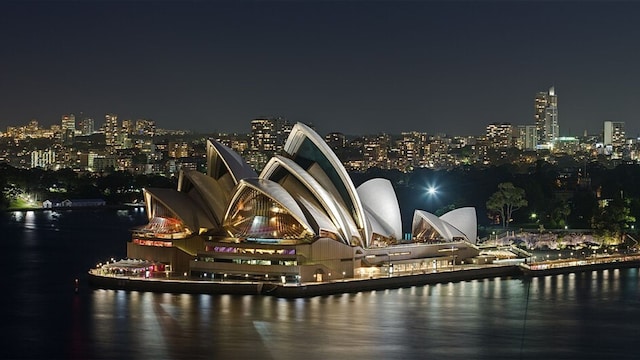
3/6Sydney Opera House, Sydney, Australia | Recognised as a UNESCO World Heritage site and a masterwork of 20th-century structural expressionism, the Sydney Opera House was conceived by Danish architect Jørn Utzon and officially opened in 1973. Set against the waters of Bennelong Point in Sydney Harbour, the building’s sweeping roof structure comprises 2,194 pre-cast concrete ribs clad in over a million self-cleaning ceramic tiles. As Australia’s premier performing arts centre, it hosts daily behind-the-scenes guided walking tours alongside a year-round calendar of live opera, symphonic, and theatrical productions. (Image source: Wikimedia Commons)
 4/6
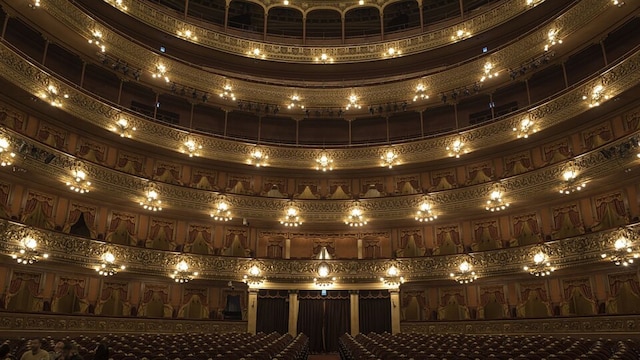
4/6Teatro Colón, Buenos Aires, Argentina | Spanning an entire city block in central Buenos Aires, the Teatro Colón opened in 1908 after two decades of construction involving architects Francesco Tamburini, Víctor Meano, and Jules Dormal. Blending Italian Renaissance exterior geometry with French decorative flourishes, Venetian mosaics, and stained glass, its seven-tier horseshoe auditorium is acoustically ranked among the top venues on the planet. Visitors can take daily guided walking tours through the lavish Golden Hall (Salón Dorado) or secure seats for its celebrated live opera, philharmonic, and ballet performances. (Image source: Wikimedia Commons)
 5/6
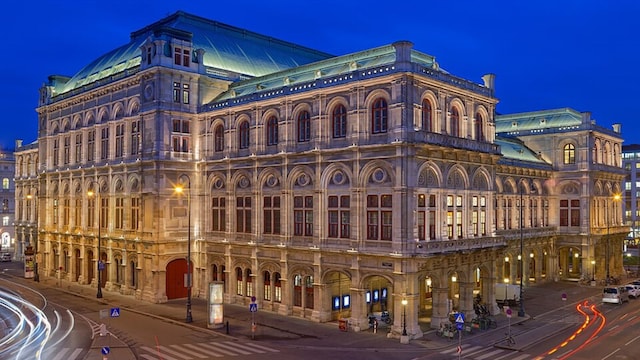
5/6Vienna State Opera (Wiener Staatsoper), Vienna, Austria | Completed in 1869 in the Neo-Renaissance style by architects August Sicard von Sicardsburg and Eduard van der Nüll, the Vienna State Opera is one of the busiest and most prestigious musical institutions in Europe. Inaugurated with Mozart’s Don Giovanni in the presence of Emperor Franz Joseph I, the theatre survived heavy aerial bombing in World War II and was restored to its original gilded grandeur. Today, it mounts over 300 live performances across a 10-month season, alongside daily guided daytime walking tours exploring the Marble Room, the Grand Staircase, and the Gustav Mahler Hall. (Image source: Wikimedia Commons)
 6/6
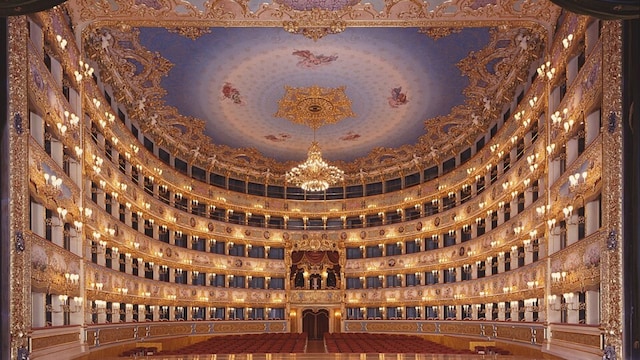
6/6Teatro La Fenice, Venice, Italy | Named after the mythical bird that rises from its own ashes, Venice’s Teatro La Fenice has lived up to its name by surviving three major fires since its original founding in 1792. Following a devastating blaze in 1996, master artisans meticulously reconstructed the 19th-century Rococo interior, faithfully rebuilding the gilded stuccoes, pastel frescoes, and carved wooden loges using historical photographs. Situated in the San Marco district, the theatre that hosted the world premieres of Verdi’s La Traviata and Rigoletto is fully active, offering independent daytime audio tours and regular evening opera programmes. (Image source: Wikimedia Commons)