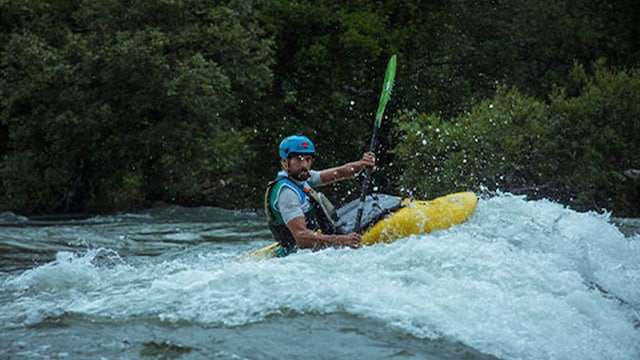

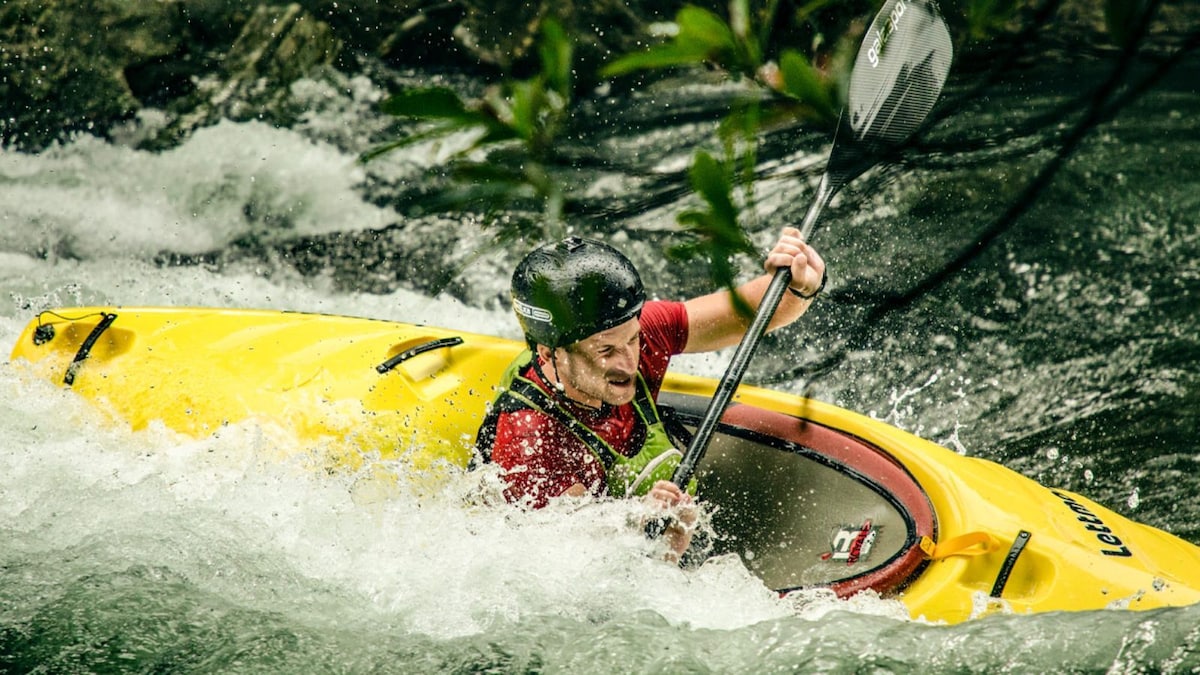
When Manik Taneja, founder of the Malabar River Festival, first typed “river rapids” into Google Maps, he wasn’t looking for a holiday spot—he was searching for a place where India could develop white-water kayaking. What he found on the screen was a rural stretch of Kozhikode. What he found on the ground was what is now Asia’s biggest kayaking festival.
Kozhikode is once again hosting the Malabar River Festival, now in its 12th edition, bringing together kayakers from across India and abroad for a three-day white-water competition. Held on the rapids of Thusharagiri’s Chalipuzha and Iruvazhinjipuzha rivers, the festival is organised by the Kerala Adventure Tourism Promotion Society (KATPS), the District Tourism Promotion Council (DTPC) and the Kozhikode District Panchayat, with technical support from the Indian Kayaking and Canoeing Association (IKCA). The event highlights Kerala’s growing reputation as an adventure tourism destination.
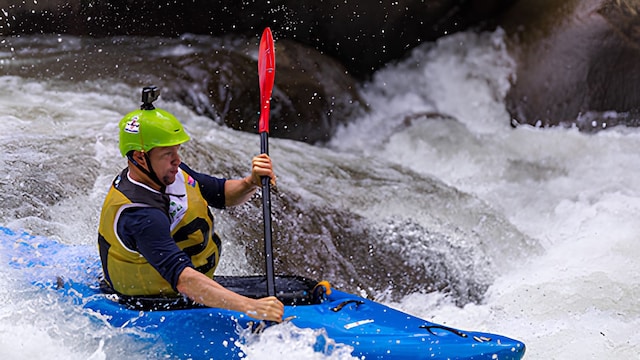
The Kerala government has allocated ₹50 lakh for the event, said Binu Kuriakose, CEO of KATPS. He added that several pre-events were organised ahead of the festival to build awareness and encourage participation. The event will be jointly conducted by eight panchayats in Kozhikode district, with the government allocating ₹2 lakh each to the participating grama panchayats.
Kuriakose said the festival also boosts the local economy, with participants and visitors from across India and abroad spending on homestays, restaurants and small businesses in the region. He added that the increased footfall creates seasonal employment opportunities while bringing greater visibility to the area. The event attracts not only kayakers but also spectators, helping promote Kozhikode as an adventure tourism destination.
One visitor who came to watch the competition said such skills should be taught to more people, especially in a state like Kerala, where heavy monsoon rains frequently lead to floods and other natural disasters.
What is white-water kayaking?
White-water kayaking is a sport in which paddlers navigate kayaks through fast-moving, turbulent rivers, often over rapids and around rocks or other obstacles. Unlike flat-water kayaking, it requires strong boat control, quick reflexes and the ability to read constantly changing river conditions.
 The man who put Kerala on the kayaking map
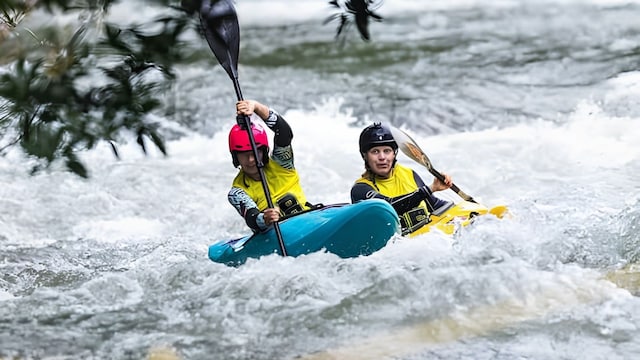
Manik Taneja, the man behind bringing kayaking to rural Kozhikode, said the Kerala government has supported the sport more consistently than many other states and even the Centre. He recalled that when the concept first took shape in 2012, the event received just ₹2.5 lakh in government funding. That support has since increased to around ₹50 lakh, along with a significantly larger prize pool.
Taneja said he discovered the site through Google Maps while searching for a suitable river stretch after kayakers in Bengaluru struggled to find proper white-water training rivers. Unlike many other locations, he said, Kerala’s local communities welcomed the idea and the river conditions proved ideal for the sport.
What began as a small initiative has now developed into a wider ecosystem. Three kayaking schools now operate in the region during the monsoon season, training aspiring paddlers and helping Kozhikode emerge as a recognised hub for white-water kayaking in India.
 A global paddler’s Kerala experience
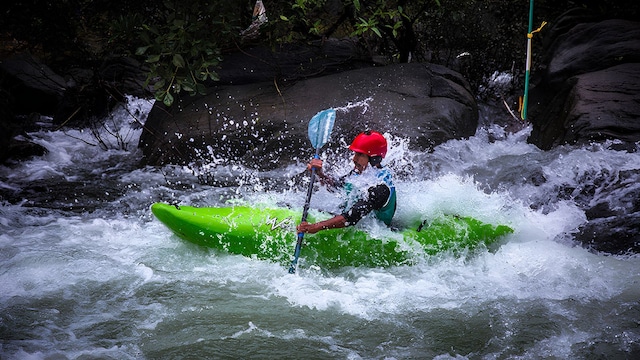
Ryan O’Connor, winner of the Rapid Raja 2025 title, said Kozhikode stood out for its unique setting. He described the warm rivers and monsoon conditions as “a super cool environment” and praised the Kerala Adventure Tourism Promotion Society for promoting the sport internationally.
He added that stronger support for local paddlers would further strengthen Kerala’s kayaking ecosystem and attract more international participants in the coming years.
The amateur who stunned the field
Meanwhile, Muskaan S. from Karnataka, who won the Amateur Women category after just 20 days of training in white-water kayaking, said the victory came as a surprise.
“I was not confident enough before the race as it was my first ever competition and there were kayakers who had more experience than me. But my team supported me, helped me with the equipment and kept motivating me throughout the race. Support from my parents also helped me. I stuck to my strategy and stayed calm throughout,” she said.
India’s kayaking and canoeing community has grown steadily in recent years, aided by events such as the Malabar River Festival and increased access to training. With more kayaking schools opening around Kozhikode and more athletes taking up the sport during the monsoon season, the festival has evolved into both a major sporting event and a tourism success story, helping put Kerala on the global white-water kayaking map.