
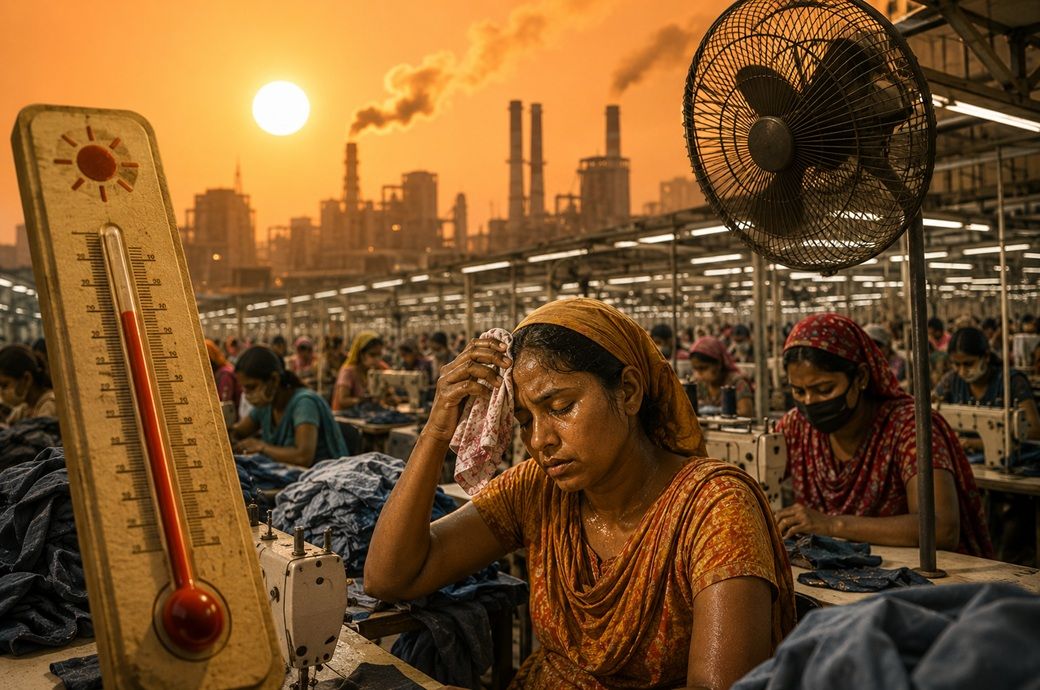
Global apparel brands can no longer treat it as a peripheral environmental issue—they must start managing heat as an occupational health and safety issue and a core supply chain risk, the report, titled ‘Too Hot to Ignore: Extreme Heat in Garment Supply Chains’, suggested.
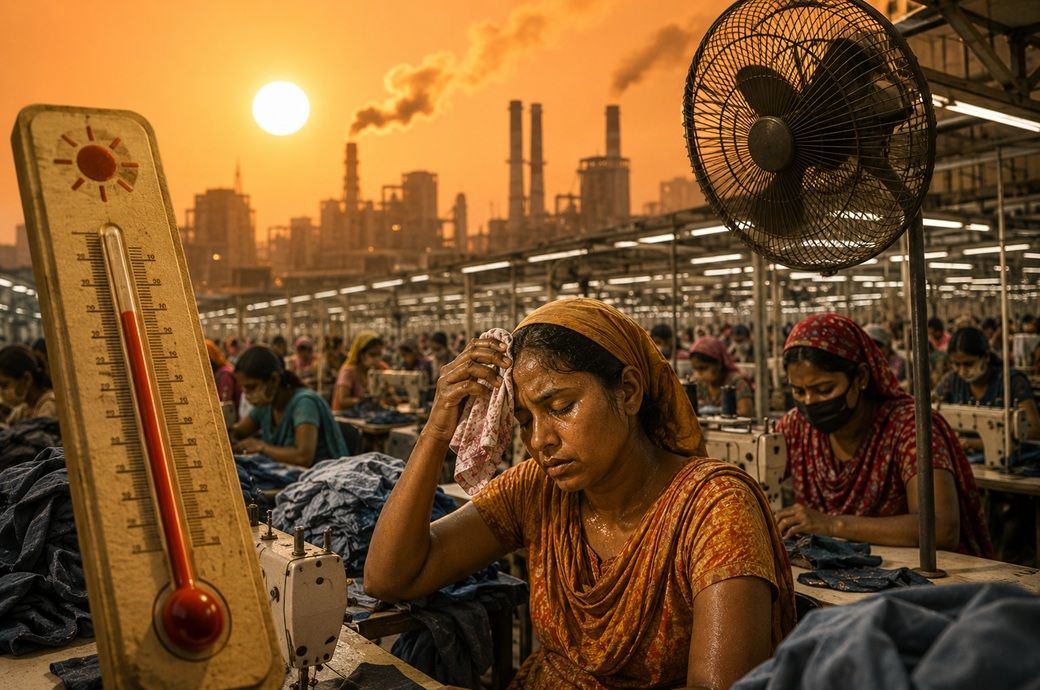
Rising temperatures and humidity are already disrupting factory output, reducing productivity, damaging product quality, harming worker health and driving up absenteeism across South and Southeast Asia.
Extreme heat is fast turning one of the most serious threats to worker safety and supply chain resilience in the global apparel industry, a NYU Stern Center for Business and Human Rights report said.
Rising temperatures and humidity are already disrupting factory output, reducing productivity, damaging product quality, harming worker health and driving up absenteeism across South and Southeast Asia.
“These are not future projections. They are current operating realities documented in factories supplying some of the world’s best-known clothing brands,” the report noted.
Suppliers cannot manage extreme heat alone, and it is no longer acceptable to expect them to. Multinational apparel and footwear companies must re-evaluate how they understand and manage heat risk, it remarked.
This means requiring suppliers to measure and report temperature and humidity levels, integrating heat into actionable occupational safety and health (OSH) policies with established temperature thresholds, adjusting purchasing practices that intensify heat exposure, and sharing the costs of adaptation with suppliers, the report said.
Protecting workers from dangerous heat is not only a labour rights obligation—it is essential to maintaining stable and resilient supply chains in a warming world, it noted.
The findings point to a deeper governance failure in global garment supply chains that threatens their supply chain resilience.
Responsibility for protecting workers is largely pushed onto suppliers, even as brands’ purchasing practices—tight margins, short lead times, and volatile order volumes—limit suppliers’ ability to invest in cooling or infrastructure upgrades.
Addressing heat risk requires a shift toward shared responsibility across the value chain, one that aligns brand expectations, purchasing practices, and financing with the real costs of climate adaptation, said the report.
The report urged global brands and buyers to formally recognise extreme heat as a supply chain hazard and an occupational health and safety risk; require suppliers to measure and report temperature and humidity data; establish enforceable heat policies with clear thresholds; adopt a shared responsibility approach in which the costs of climate adaptation are shared rather than absorbed by suppliers alone; and reform purchasing practices by incorporating contingency planning that allows flexibility when extreme heat disrupts production.
It recommended suppliers and manufacturers to implement immediate protective measures for workers, adopt a staged approach to heat mitigation and ensure workers have a meaningful voice in how heat risks are identified and managed.
The report suggested governments and regulatory bodies to set up binding workplace temperature thresholds and enforceable work-rest guidance, extend heat action plans to cover industrial workplaces, and formally recognise heat stress as an occupational illness within social protection frameworks.
It called on industry bodies and multi-stakeholder initiatives to develop harmonised guidance on heat mitigation, facilitate shared data systems across the sector, and embed heat-risk requirements into governance and accreditation frameworks.
Fibre2Fashion News Desk (DS)