
 1 / 8
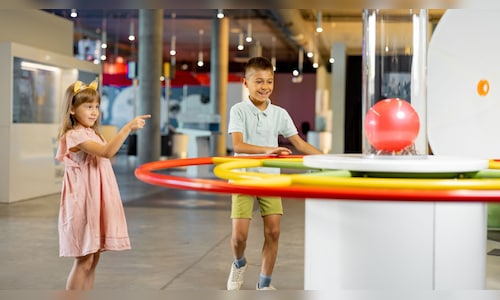
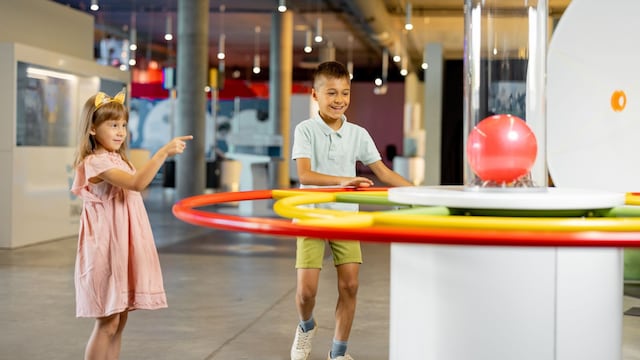
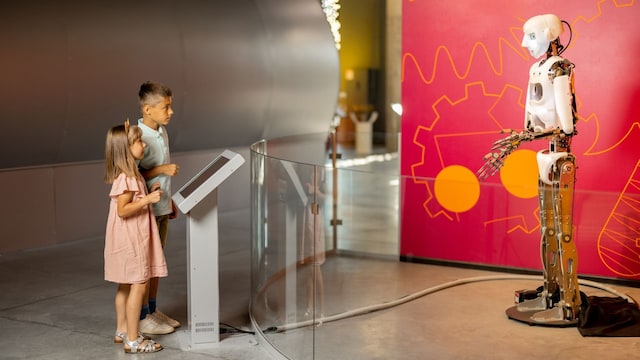
1 / 8Summer vacations offer the perfect opportunity to step beyond textbooks and explore learning in a more engaging, hands-on way. Science museums across India provide exactly that. They are not only treasure troves of knowledge but also dynamic spaces where curiosity and discovery feel like play. Unlike traditional classrooms, children and adults alike can interact with exhibits, conduct experiments, and witness scientific concepts come alive in real time. (Image: Canva)
 2 / 8
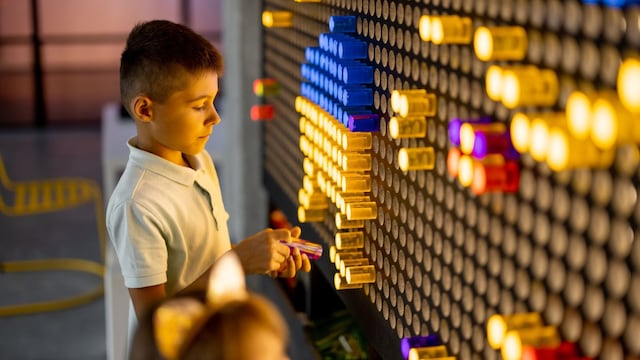
2 / 8What makes these museums even more appealing is their ability to simplify complex ideas through immersive experiences. From interactive displays and working models to planetariums and innovation labs, they transform abstract theories into something exciting. This blend of entertainment and education ensures that visitors not only enjoy their time but also walk away with a deeper understanding of the world around them. (Image: Canva)
 3 / 8
3 / 8Whether you’re travelling with family, nurturing a young learner’s curiosity, or simply looking to explore science more engagingly, India’s science museums are vibrant hubs of creativity and knowledge. Here are five science museums in India every curious mind should visit for a meaningful and memorable holiday experience. (Image: Canva)
 4 / 8
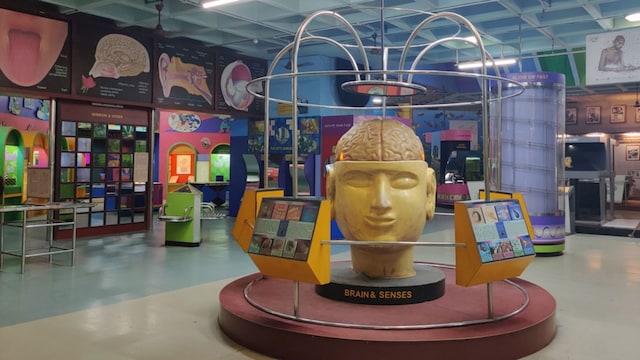
4 / 81. The Nehru Science Centre (Mumbai): It is one of the largest interactive science centres in India. With hundreds of hands-on exhibits covering topics from mechanics to sound, the Nehru Science Centre is a paradise for curious minds. Children can explore galleries dedicated to energy, sound, space, and human biology, along with a well-designed outdoor science park, while the 3D science shows and planetarium sessions add an extra layer of excitement. (Image: The Nehru Science Centre)
 5 / 8
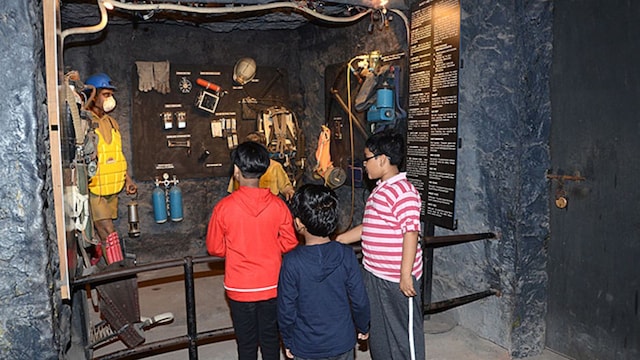
5 / 82. The Birla Industrial and Technological Museum (Kolkata): Established in 1959, this is India’s first science museum, standing as a pioneer in science education. The museum houses galleries dedicated to electricity, mathematics, biotechnology, and even mock coal mines that give children a sense of industrial processes. The planetarium’s blend of vintage industrial models and interactive displays makes it a vibrant hub for young learners who enjoy both storytelling and technology. (Image: The Birla Industrial and Technological Museum)
 6 / 8
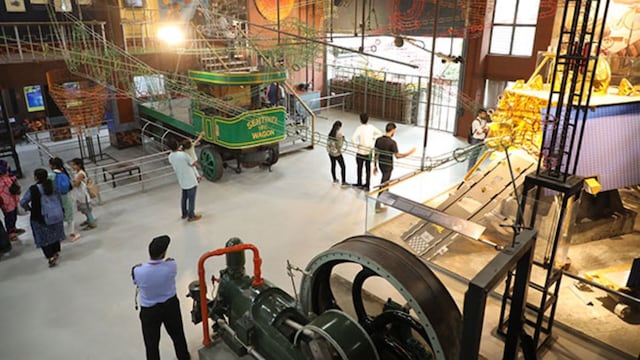
6 / 83. Visvesvaraya Industrial and Technological Museum (Bengaluru): Named after the legendary engineer Sir M. Visvesvaraya, this museum is a favourite among families in the south. It is packed with exhibits on mechanics, robotics, electronics, and space. Its live science demonstrations, working models of engines and machines and “Space Gallery” that takes children on a journey through the cosmos, make it a must-visit for students and technology enthusiasts alike. (Image: Visvesvaraya Industrial and Technological Museum)
 7 / 8
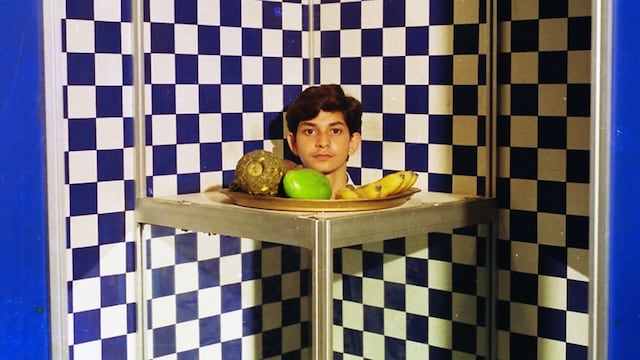
7 / 84. National Science Centre (Delhi): Another must-visit science museum is the National Science Centre. Located near Pragati Maidan, it features thematic galleries on human biology, the information revolution, heritage science and fun science experiments. The “Fun Science” gallery appeals to younger kids, with puzzles, illusions, and experiments that make science playful. For older children, the “Heritage Science” section connects India’s ancient scientific contributions with modern advancements. (Image: National Science Centre)
 8 / 8
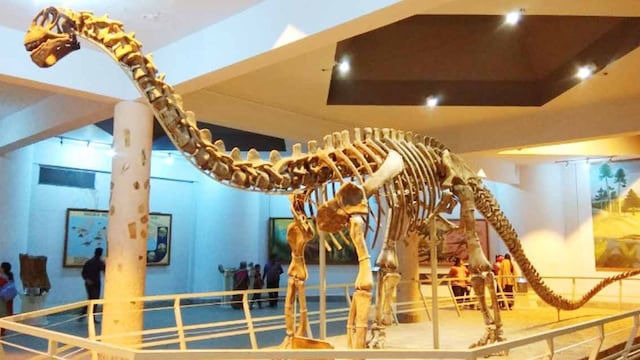
8 / 85. Birla Science Museum (Hyderabad): Perched on Naubat Pahad, this museum features a planetarium, a science centre, and even an archaeological museum. The interactive exhibits on physics and astronomy are complemented by the dinosaurium, which displays a massive fossil of a 160-million-year-old dinosaur. This blend of science and history offers both educational value and a scenic experience, sparking both wonder and knowledge in young visitors.