
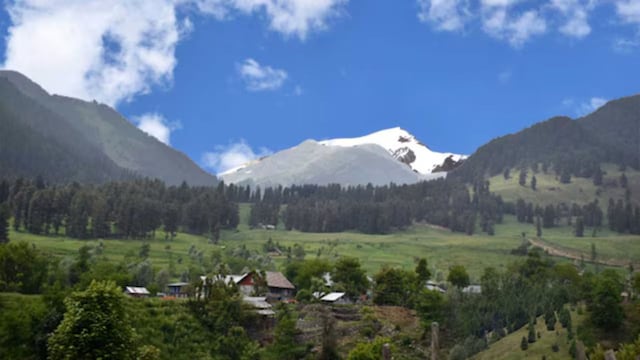
Kashmir offers distinct charms each season, from tulip blooms in spring and peak tourism in summer to golden chinar trees in autumn and snow sports in Gulmarg in winter

(Photo Credit : Reuters)
 1 / 5
1 / 5Often called “Paradise on Earth,” Kashmir draws travellers year-round with its shifting landscapes—from snow-covered valleys to blooming gardens and fiery autumn hues. Choosing when to visit depends on what you want to experience: snow, flowers, greenery or crisp fall colours.
 2 / 5
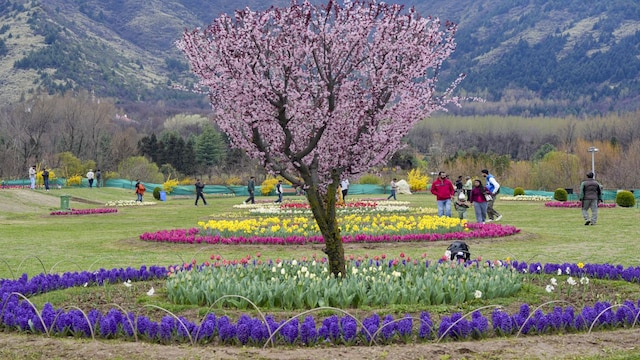
2 / 5Spring (March–May): Bloom and revival | Spring transforms Kashmir into a riot of colours, with tulips, almond blossoms and fresh greenery taking over. Srinagar’s gardens, especially the Indira Gandhi Memorial Tulip Garden, are at their peak, making this one of the most scenic times to visit.
(Photo Credit : Wikimedia Commons)
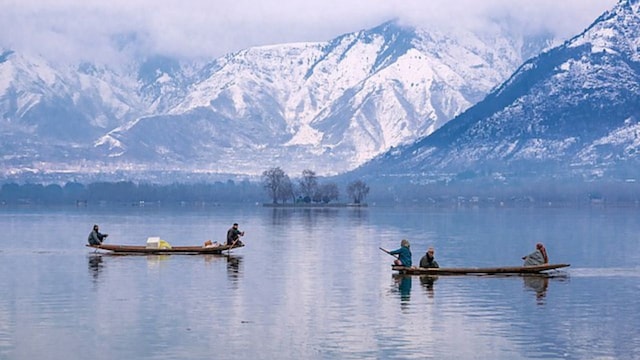
3 / 5Summer (June–August): Peak tourist season | Pleasant weather and clear skies make summer ideal for sightseeing, shikara rides on Dal Lake, and exploring hill stations like Gulmarg and Pahalgam. It’s also the busiest season, with families and honeymooners flocking to the valley.
(Photo Credit : Wikimedia Commons)
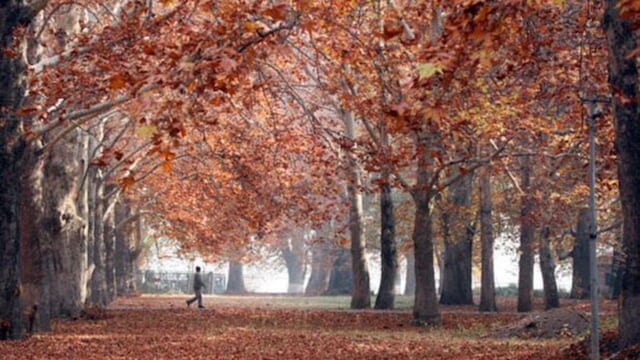
4 / 5Autumn (September–November): Golden landscapes | Autumn paints Kashmir in shades of gold and amber as chinar trees turn vibrant. With fewer crowds and comfortable weather, this is a great time for photography and quiet travel, especially around Srinagar and the countryside.
(Photo Credit : Wikimedia Commons)
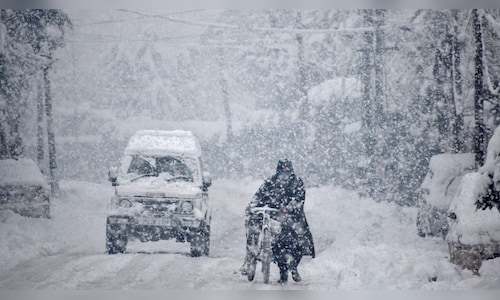
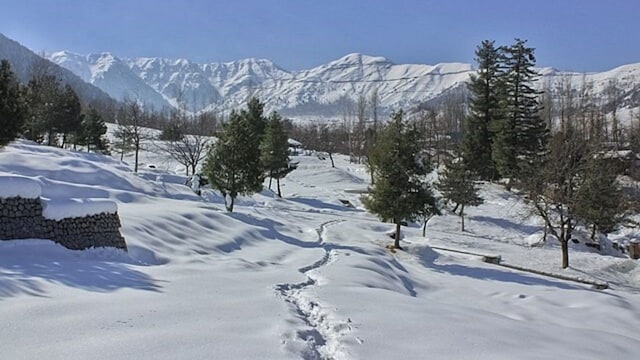
5 / 5Winter (December–February): Snow and skiing | Winter blankets Kashmir in snow, turning it into a haven for snow lovers. Gulmarg becomes a skiing hotspot, while frozen lakes and snow-covered valleys offer postcard-perfect views for travellers seeking a winter escape.