
The coordinated, massive missile strikes by the United States and Israel on Iran that reportedly killed Iran’s supreme leader Ayatollah Ali Khamenei, with Tehran hitting back with retaliatory strikes across the Middle East, for India’s apparel exporters, the danger is not abstract.
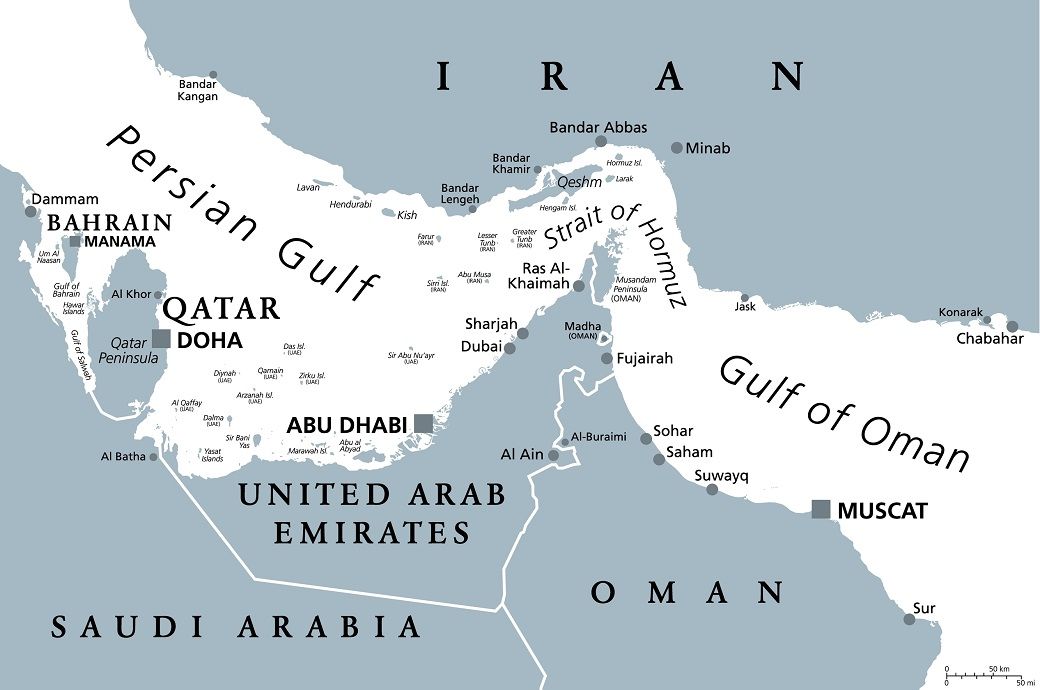
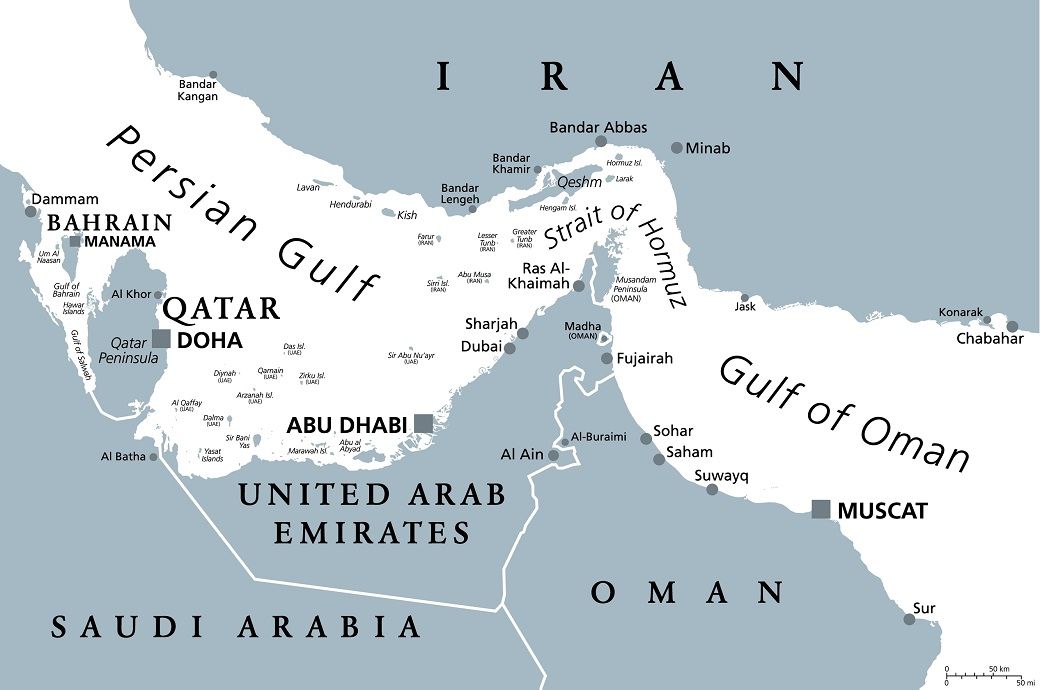
Missile strikes on Iran and retaliatory attacks have put Strait of Hormuz and Bab el Mandeb at risk, threatening key trade routes that are vital for exports to Europe and the US.
Rerouting via the Cape of Good Hope would only add up to 20 days to shipments while pushing up freight and insurance costs.
Amidst rising uncertainty, exporters now fear order delays and cancellations.
The Strait of Hormuz and the Bab el-Mandeb Strait, two narrow waterways that quietly power global trade, are suddenly the flashpoints. Reports that Iran has halted maritime traffic through Hormuz have set off alarm bells across India’s textile and apparel manufacturing hubs. These corridors are critical for shipments heading to Europe and the United States, and if they clog, the fashion supply chain chokes.
The alternative is grim: reroute vessels around the Cape of Good Hope. That adds 15 to 20 days to transit times. In apparel, that is an eternity. Fashion cycles are brutally time sensitive, as retail calendars are locked months in advance and a three-week delay will only turn a hot-selling line into leftover inventory. When trends move at social media speed, lag is simply lethal.
The financial implications compound the anxiety further; longer routes mean higher fuel consumption, which means steeper freight bills. Add war-risk insurance premiums, inevitable in a region now viewed as volatile, and exporters face a fresh cost spiral.
For an industry operating on tight margins and tighter deadlines, the stakes are too high to overlook.
With clarity in short supply, industry representatives felt it could take weeks before there is a firm read on shipping capacity, revised routes, insurance coverage and freight pricing.
Speaking to the media, Dr A. Sakthivel, chairman of the Apparel Export Promotion Council (AEPC), voiced this unease as he maintained, “We are worried that our shipment may get delayed due to this tension. We may have to take longer routes to send our goods to Europe, the US and other western countries.”
Delayed shipments can trigger penalty clauses, strained buyer relationships, and, in the worst-case scenario, blacklisting for future seasons.
In a separate representation to the Civil Aviation Secretary, Dr. Sakthivel also underlined that global disruptions, including airspace closures, diversions and flight irregularities, have stalled export cargo, leaving consignments stranded at Indian airports due to factors beyond exporters’ control.
He thus urged the DGCA to direct cargo terminals to waive demurrage charges on affected export shipments.
In Ludhiana, India’s knitwear nerve centre, the mood has shifted from cautious optimism to guarded survival. Vinod Thapar, chairman of the Knitwear Club, while interacting with the media, underscored how exposed the city is.
The Middle East is not just a transit route; it is a key market as well. A large share of Ludhiana’s garments reportedly flows directly to the Gulf countries, but now, with the buyers turning cautious, trade sentiment is softening, and shipment schedules are wobbling.
Thapar further pointed out that exporters were banking on improved demand from Europe while maintaining strong supply linkages with the Middle Eastern partners. However, the conflict has upended that balancing act. Orders are reportedly slowing, even if dispatch plans are being reworked, and what looked like a stable recovery curve now flattened into uncertainty.
The unease is spreading beyond Ludhiana. From Tiruppur to Noida, exporters report similar sentiments.
As per reports, some overseas buyers are already asking for flexible delivery schedules, which is a polite but pointed sign that they are hedging their risk. Others fear outright cancellations if the conflict intensifies or shipping disruptions drag on.
Meanwhile, commenting on the Iran issue, an official of the Southern Gujarat Chamber of Commerce and Industry (SGCCI) reportedly stated that Surat’s textile industry is particularly vulnerable, given its heavy reliance on polyester and other man-made fibres. He cautioned that escalating tensions in the Middle East could drive crude oil prices higher, potentially triggering a 15–20 per cent increase in yarn and raw material costs in the short term.
The official further reportedly noted that Dubai and other Gulf nations serve as key trading gateways for Surat’s textile exports. The prevailing geopolitical uncertainty, he reportedly claimed, has already led to shipment delays and raised concerns over payment security from overseas buyers.
Speaking to the media, a former president of the Tiruppur Exporters’ Association reportedly stated that April orders are at different stages of execution and warned that any delay in delivery could have financial repercussions.
In global sourcing, where reliability is the currency, new business negotiations are expected to be particularly fragile as retailers in Europe and the US recalibrate forecasts, factoring in longer lead times and unpredictable freight costs.
That makes them wary of committing to large volumes, even as exporters, in turn, hesitate to lock in production without visibility on logistics. The stakes are undoubtedly high as apparel is among India’s most labour-intensive export sectors, supporting millions of jobs, and a prolonged disruption does not just hurt the balance sheets; it threatens livelihoods in the long run.
Recognising the potential fallout, the Ministry of Commerce has reportedly convened meetings with exporters, shipping lines and freight forwarders to assess the impact on trade flows, even as industrialists urged the Government to stay vigilant and be prepared with relief measures if the crisis persists.
Fibre2Fashion News Desk (DR)