
Matching rewards to spending pattern
Ashish Lath, Founder and CEO of SaveSage, says the effectiveness of a travel credit card depends largely on how closely its reward structure matches an individual’s spending profile.
“The single most important factor is alignment between how a consumer already spends and where the card offers accelerated rewards,” he says.
He advises consumers to review accelerated earn rates on flights, hotels and high-frequency categories such as groceries, fuel, education and online shopping.
He also points to the importance of checking whether reward points are transferable to airline and hotel loyalty programmes a user actually uses, whether redemption ratios are reasonable, and whether the card allows flexibility through travel portals or point pooling options.
Timeframe for redemptions
There is no fixed timeline for earning free flights or hotel stays, Lath notes, as it depends on monthly spend, card choice and optimisation strategy.
As broad benchmarks:
- Domestic economy tickets typically require 8,000–15,000 points
- International tickets can range between 30,000–80,000 points
According to Lath, consumers spending ₹75,000 or more per month and optimising category spends may achieve meaningful redemptions within six to 12 months. Strategic allocation of expenses across multiple cards can accelerate earnings by 40–50%. Lower spenders may rely more heavily on welcome bonuses or milestone benefits to build balances faster.
Calculating the value of points
Lath recommends a method to assess value: divide the market price of the ticket or stay by the number of points required.
He suggests targeting a value of ₹1–₹1.5 per point to justify annual fees and the effort involved in optimisation. If the value falls below ₹0.50 per point, cashback or alternative redemptions may be more financially viable.
He adds that users should compare redemption against the alternative of paying cash and reserving points for future use.
Fees, milestones and cost considerations
Annual fees on premium travel credit cards typically range from ₹5,000 to ₹30,000 or more, often accompanied by spend-based milestone thresholds.
Lath notes that benefits such as airport lounge access, concierge services, higher earn rates and travel insurance are built into these fee structures. For consumers spending ₹2 lakh or more monthly, he says accelerated earnings and higher-value redemptions can offset such costs.
Prepaid travel and forex cards
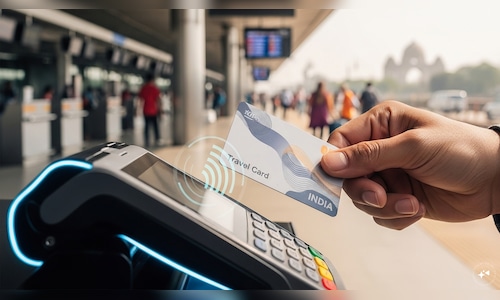
Separately, T C Guruprasad, CEO and Managing Director – Payments Solutions at EbixCash, highlights the role of prepaid travel and forex cards for overseas spending.
He says these instruments allow users to load foreign currency at competitive exchange rates before departure, helping manage currency fluctuations and avoid exchange markups, while also keeping travel budgets separate from credit lines.
When evaluating such cards, Guruprasad advises checking:
- Multi-currency support
- Issuance and reload fees
- ATM withdrawal charges
- Cross-currency transaction costs
- Dynamic currency conversion charges
- Safety features such as real-time alerts, instant blocking and spending controls
He adds that regulated, network-backed prepaid instruments can enhance transparency and transaction security while travelling abroad.
ALSO READ | How inheriting jewellery, art, stocks, crypto is taxed in India