
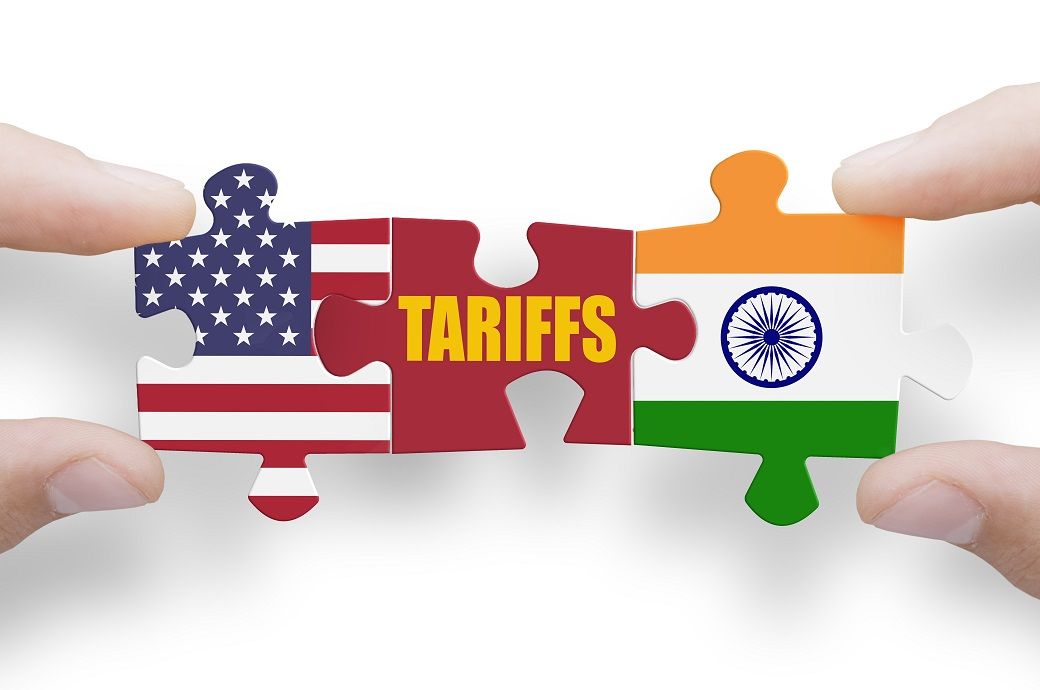
Industry players said the immediate tariff reset to around 18 per cent comes as a major relief after months of cost pressure, particularly in the US market, which remains India’s largest export destination for apparel.
Indian textile and apparel exporters have welcomed the India–US trade deal, saying the cut in US tariffs to around 18 per cent gives India a 2 per cent edge over competing sourcing nations.
Industry leaders expect immediate margin relief in Q4 2025–26, stronger US orders from the next financial year, and a broader export growth cycle as buyers reassess global sourcing strategies.
Reacting to the development, Pallab Banerjee, managing director of Pearl Global Industries Ltd, said the announcement has lifted significant uncertainty. “This is the news our industry was holding its breath for. Most exporters were forced to offer discounts to US customers to compensate for the penalty tariff. That pressure is now gone, and India has gained a 2 per cent tariff advantage compared to competing countries,” he said.
Banerjee added that the relief will be felt immediately. “The last two months of Q4 should see easing of bottom-line pressure. From Q2 of the next financial year onwards, we should also see an improvement in the top line from the US market. The brakes that were on for the last six months are now being released,” he said, linking the trade deal with the government’s broader push on infrastructure, capex, skilling and ease of doing business.
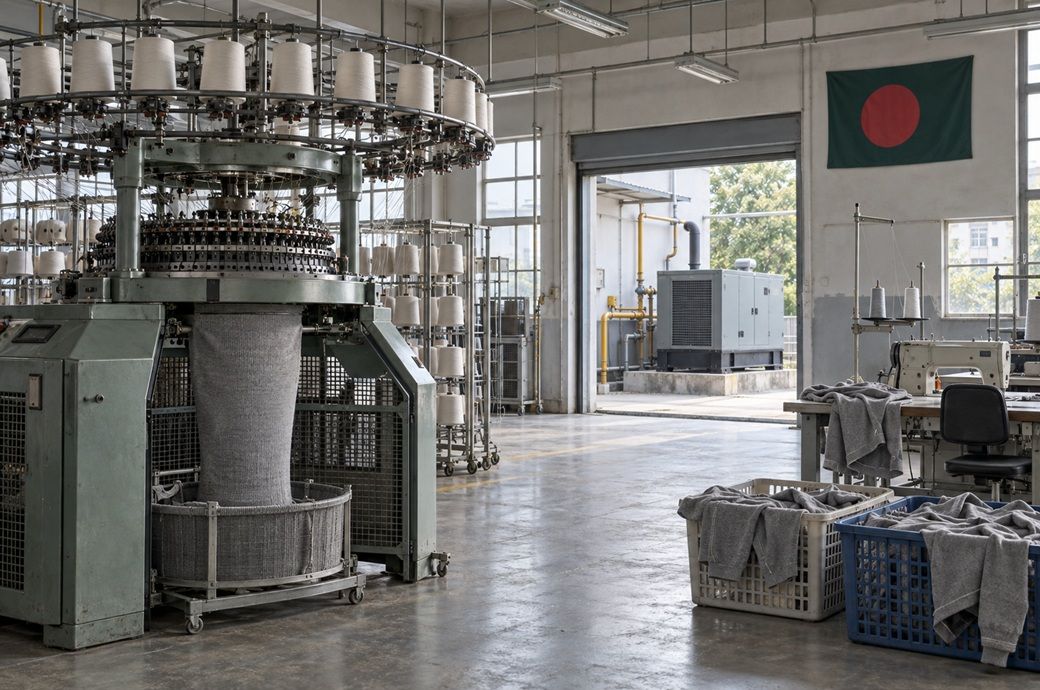
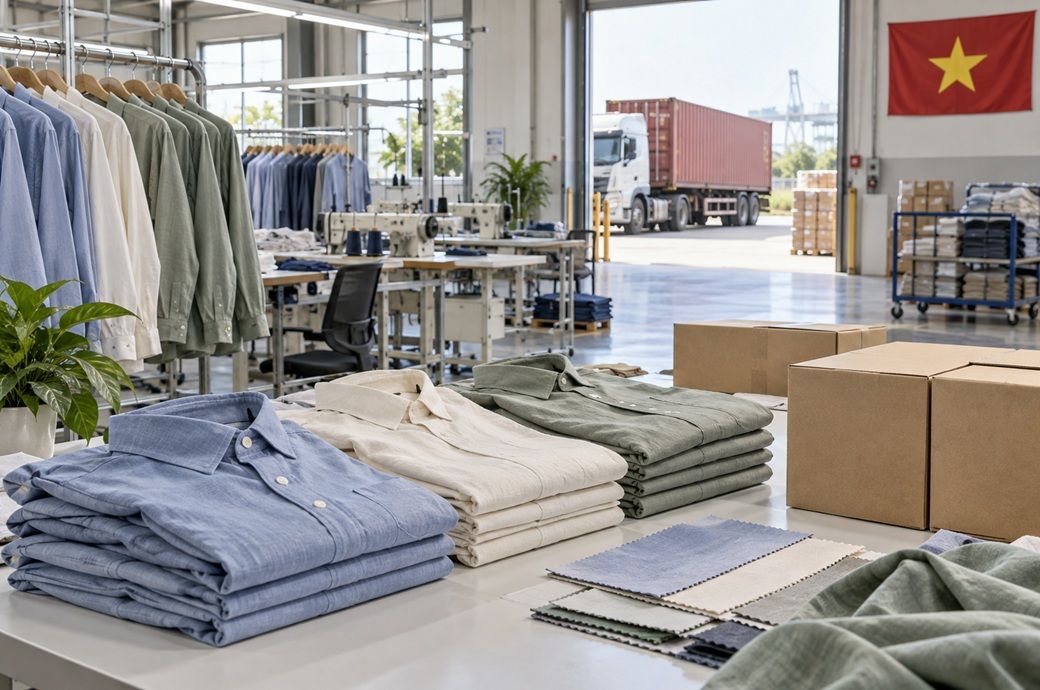
Providing a broader sourcing perspective, Kishan Daga, founder anchor of consulting firm Concepts N Strategies, said the tariff reset has redrawn the global apparel sourcing map. “The US has reduced tariffs on Indian apparel to around 18 per cent, making India more competitive than Bangladesh and Vietnam and far ahead of China, which continues to face much higher effective tariffs,” he said. Daga noted that historically, tariff advantages played a decisive role in the rise of competing sourcing hubs, and India is now well placed to reclaim lost ground. “For US buyers in activewear, athleisure and performance apparel, India has once again become a serious alternative,” he added.
Exporters also see the deal as a precursor to a broader growth cycle, especially with other FTAs on the horizon. N Thirukkumaran, chairman of Esstee Exports India Pvt Ltd, said that the sentiment across the apparel export community has turned sharply positive. “With India now among the most competitive in Asia on tariffs, the sector is expected to grow in leaps and bounds. Once the EU and UK deals come into effect, we expect apparel exports to double over the next three years,” he said, adding that large-scale capacity expansion and employment generation are likely to follow.
From the upstream, Sammir Dattani, executive director of Sanathan Textiles Ltd, said the trade deal, combined with the Union Budget’s focus on integrated value-chain development, sends a strong signal to manufacturers. “The emphasis on fibre self-reliance, modernisation of clusters, and support for man-made and technical textiles creates a solid foundation for scale and global competitiveness,” he said. Dattani added that the policy direction supports a shift towards higher-value yarns, sustainable processes and technology-driven manufacturing, helping the industry manage volatility and strengthen margins.
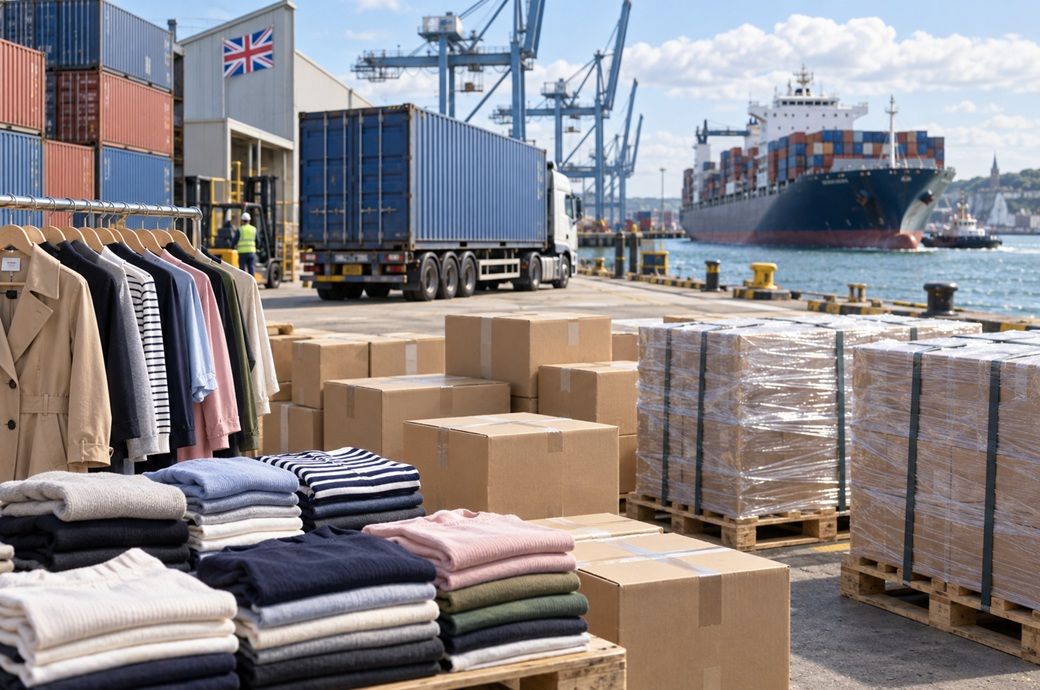
Industry leaders said India’s growing network of trade agreements with major markets, including the US, EU and UK, positions the country favourably at a time when global buyers are re-evaluating sourcing strategies, potentially ushering in a new growth phase for India’s textile and apparel exports.
Fibre2Fashion News Desk (KUL)