
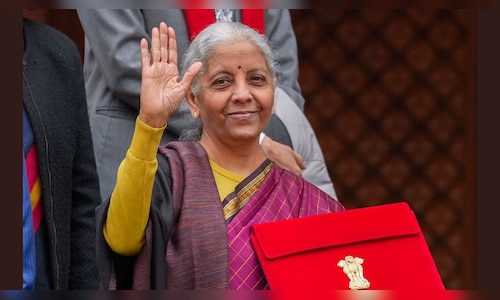
Finance Minister Nirmala Sitharaman, on February 1, announced the development of 15 archaeological sites as “vibrant experiential cultural destinations” to boost heritage tourism. In her Budget speech, she named seven of these sites, while the remaining eight are yet to be disclosed. Take a look at the seven sites announced so far:

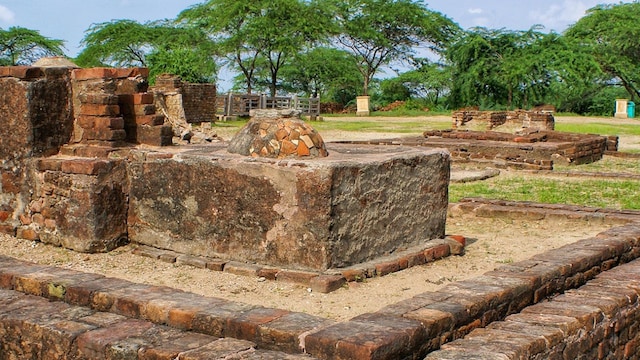
 1 / 7
1 / 7Lothal, Gujarat | An Indus Valley port town, Lothal is believed to house one of the world’s earliest dockyards, offering rare insight into ancient maritime trade. (Image source: Gujarat Tourism)
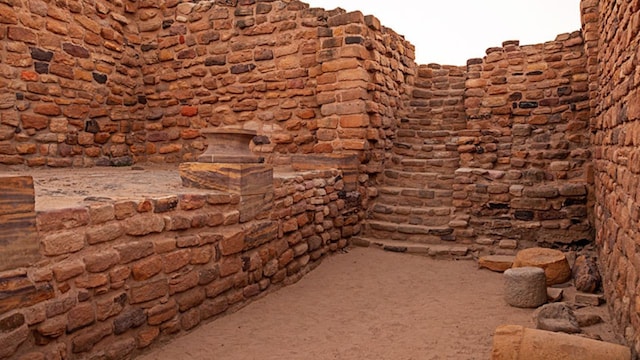 2 / 7
2 / 7Dholavira, Gujarat | A UNESCO World Heritage Site, Dholavira is known for its advanced urban planning and sophisticated water management systems of the Harappan civilisation. (Image source: Gujarat Tourism)
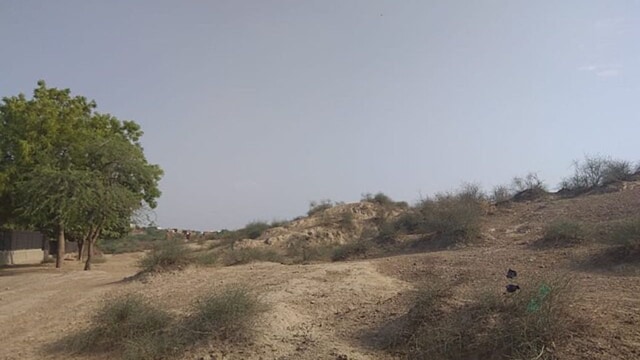 3 / 7
3 / 7Rakhigarhi, Haryana | The largest Harappan settlement discovered so far, Rakhigarhi reveals a planned township with evidence of early industry, rituals, and trade. (Image source: Wikimedia Commons)
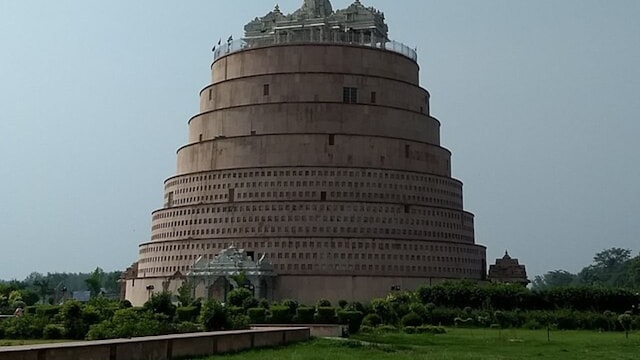 4 / 7
4 / 7Hastinapur, Uttar Pradesh | The legendary capital of the Kuru kingdom from the Mahabharata, Hastinapur shows continuous human habitation dating back over two millennia. (Image source: Wikimedia Commons)
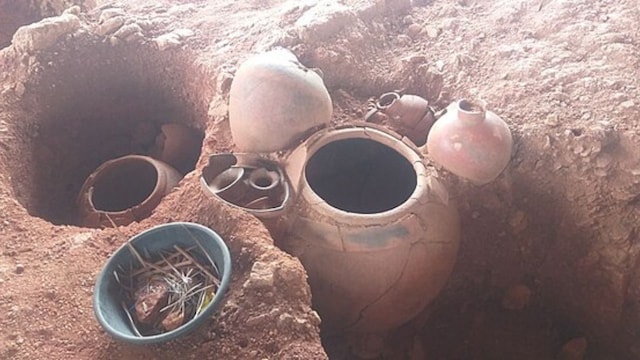 5 / 7
5 / 7Adichanallur, Tamil Nadu | One of India’s most important Iron Age burial sites, Adichanallur provides archaeological evidence of early Tamil funerary practices. (Image source: Wikimedia Commons)
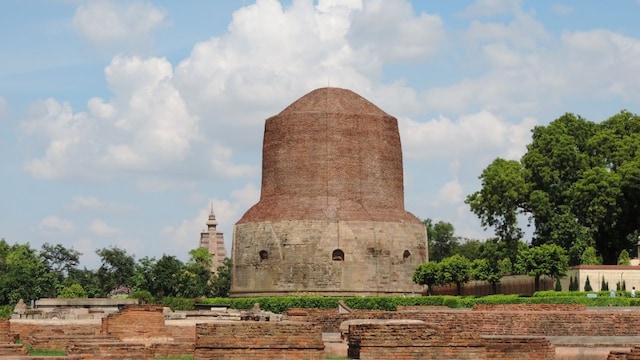 6 / 7
6 / 7Sarnath, Uttar Pradesh | The site where the Buddha delivered his first sermon, Sarnath remains a major centre of Buddhist heritage with stupas, monasteries, and Ashokan pillars. (Image source: ASI)
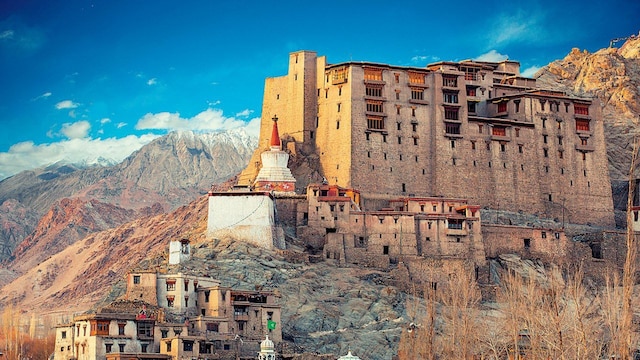 7 / 7
7 / 7Leh Palace, Ladakh | A 17th-century royal palace overlooking the Indus valley, Leh Palace reflects medieval Tibetan architecture and Ladakh’s royal history. (Image source: Incredible India)