
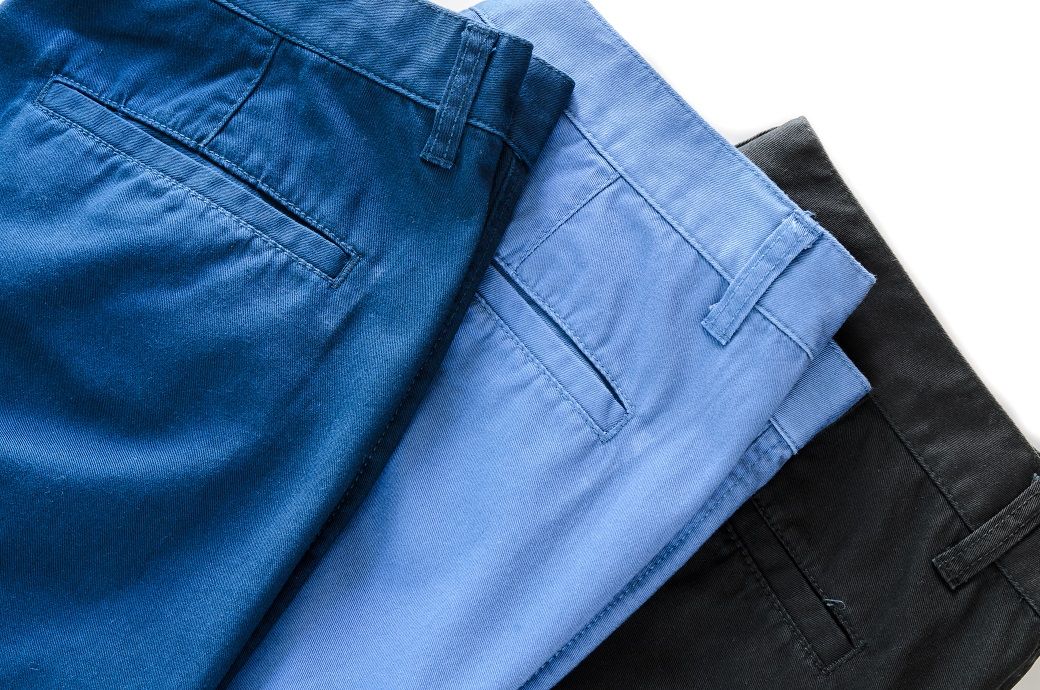
China remained Japan’s largest supplier, accounting for imports valued at $*.*** billion and ***.*** million units during the period. This represented more than two-fifths of total import volumes, underscoring China’s continued dominance in mass-market sourcing. However, the average unit price of Chinese trousers and shorts stood at $*.**, well below Japan’s overall average, highlighting China’s strong cost competitiveness. Compared with earlier years, China’s unit prices have steadily softened from $*.** in **** and $*.** in ****, indicating sustained pricing pressure amid intense competition and a buyer focus on affordability, according to *fashion.com/market-intelligence/texpro-textile-and-apparel/” target=”_blank”>sourcing intelligence tool TexPro.
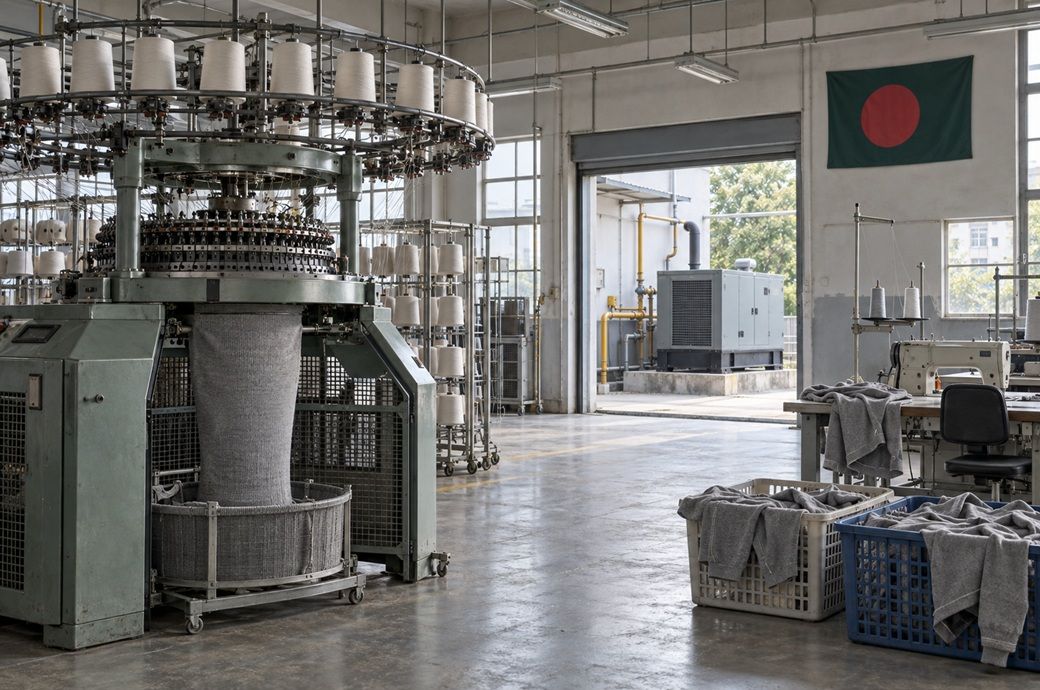
Imports from Bangladesh were worth $***.*** million during January–November ****. Shipments totalled **.*** million units, with an average price of $*.** per unit, the lowest among the three leading Asian suppliers. Bangladesh’s pricing has declined notably from $*.** per unit in **** and $*.** in ****, suggesting aggressive pricing strategies to defend and expand market share in Japan’s highly competitive import landscape.