
Last Updated:
Will audiences care if a creator’s message is delivered by AI, as long as it sounds right and feels familiar? Or will authenticity lose its value once it becomes simulated?



The creator economy is projected to cross $500 billion by 2027. India’s creator economy alone is estimated at $20-25 billion, and is projected to reach $100-125 billion by 2030, driven by short-form video and regional-language content. (Getty Images)
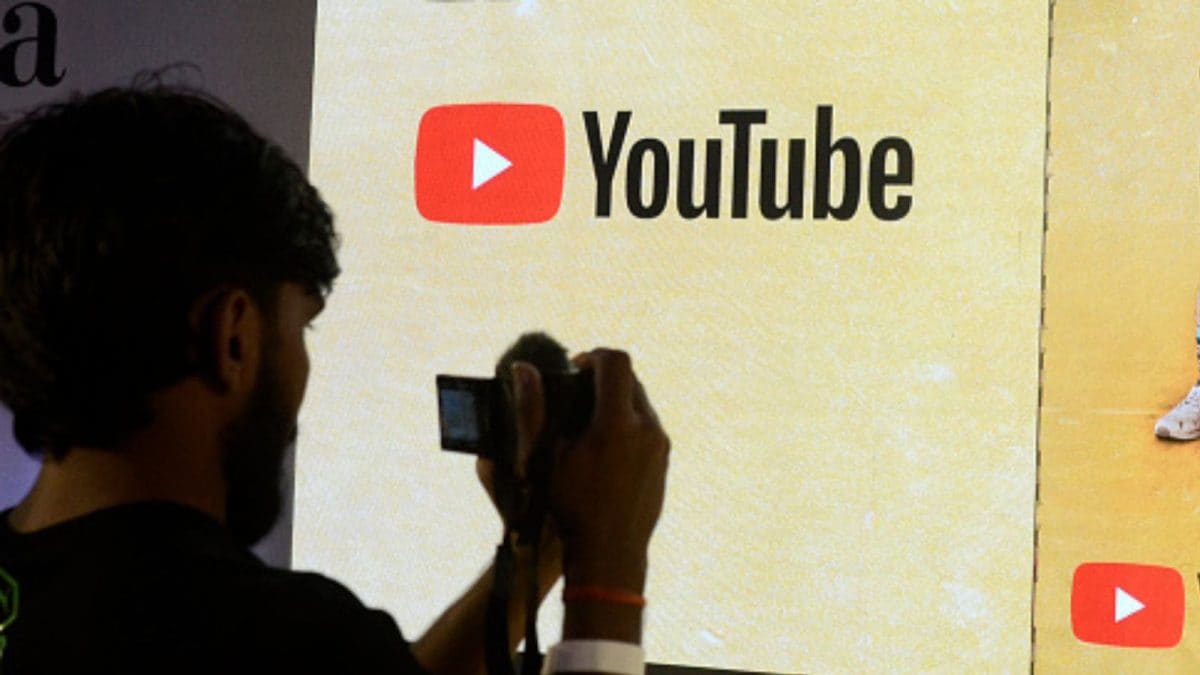
When YouTube quietly rolled out AI-powered creator avatars and likeness tools, it looked like another incremental product tweak — filters, auto-captions, AI editing, background replacement. This, however, is different. For the first time, YouTube is formally enabling creators to produce content using AI-generated versions of themselves.
In his annual letter on Wednesday, YouTube CEO Neal Mohan noted that “AI will remain a tool for expression, not a replacement”.
YouTube’s latest strategy does two things that were previously inseparable in the creator economy: presence and production. A creator no longer needs to be physically present, camera-ready, or even available to create new content. Their likeness can do the work. This is not an upgrade, but a structural shift.
What YouTube is effectively saying is this: creators are no longer just performers. They are intellectual property.
Why YouTube Is Pushing AI Now
YouTube is facing three overlapping pressures. The first is attention saturation. Content supply on the platform has exploded, particularly with Shorts, which is now averaging 200 billion views per day, while user attention has not grown at the same pace. The second is creator burnout. Many full-time creators are trapped in a cycle of constant posting, algorithm anxiety, and diminishing returns. The third is competition from TikTok, Instagram, and newer AI-native platforms experimenting with synthetic influencers and automated content.
“YouTube uses AI technologies, which include AI creator avatars and Digital Twins as part of its fundamental operations. The platform functions as a strategic system…It needs to achieve user growth by making content production easier while building user relationships and creating new ways for users to make money. AI helps creators produce content more efficiently because it enables them to produce professional work with reduced effort… YouTube executives demonstrated that AI technology enables creators to develop their own independent studios, which increases platform economic value while users stay active on the site,” says Maaz Ansari, co-founder and CRO, Oriserve — a Generative AI platform for BFSI.
From a platform economics perspective, this is logical. YouTube has always been less interested in individual creators than in sustainable content supply. AI avatars make that supply more predictable, more scalable, and less fragile.
The Creator Economy Is Big, And Getting Uneven
The creator economy today is often described as booming. Globally, it is projected to cross $500 billion by 2027. India’s creator economy alone is estimated at $20-25 billion, a projected fivefold growth to reach $100-125 billion by 2030, driven by short-form video, regional-language content, and aggressive brand spending.
“AI avatars create two types of transformation, which include both numerical changes and new fundamental capabilities. Research shows 84% of creators used AI tools during 2024, which means automated systems now function as standard equipment to create content. YouTube has distributed more than $100 billion to creators worldwide in four years, establishing creator monetisation as a fundamental element of the entertainment industry. The process for creators who make Shorts now enables them to finish their work more quickly because it requires less technical expertise while they test various content formats. Smaller creators who lack access to professional equipment can now challenge high-budget channels because they use AI technology to address production needs,” says Kanishk Agrawal, Chief Technology Officer, Judge Group — a business technology consulting firm.
But growth has not meant fairness. Most creators earn little to nothing. A small minority captures a disproportionate share of ad revenue, brand deals, and platform visibility. This imbalance has been masked by aspirational narratives—anyone can make it, consistency pays off, algorithms reward quality. The data tells a harsher story.
AI avatars enter this uneven ecosystem like a force multiplier. For top creators, they offer scale without exhaustion. For mid-tier creators, they promise efficiency but also intensify competition. For small creators, they risk raising the bar so high that human-only content becomes invisible.
What AI Avatars Change For Creators
At a functional level, AI avatars turn content creation into a system. A creator can generate multiple versions of the same video, localised across languages, formats, and markets. A single script can produce dozens of outputs. Content becomes modular, repeatable, and optimised.
Monetisation follows the same logic. If content can be produced continuously, monetisation can run continuously. Sponsored messages, affiliate links, and commerce integrations no longer depend on a creator’s availability. The creator brand becomes an always-on channel.
But there is a trade-off. When production becomes automated, identity becomes abstracted. Creators risk becoming interchangeable templates rather than distinctive personalities. The pressure to remain visible does not disappear—it intensifies. The fear is no longer missing a posting window. It is being outperformed by a synthetic version of yourself who never sleeps.
“Creators can now use less time for editing tasks because they spend that time on developing their community and building their unique brand identity. Brands can implement their creator partnerships across multiple platforms because they no longer need to pay for conventional content creation expenses. The potential for revenue generation through affiliate marketing and fan support has expanded significantly…businesses must now compete based on their ability to produce high-quality products that deliver authentic customer experiences,” explained Ansari.
Authenticity vs Automation
The creator economy was built on intimacy. Audiences followed creators not because they were polished, but because they felt real. Mistakes, pauses, fatigue—these were features, not flaws. AI avatars test that relationship at its core.
YouTube currently uses its monetisation system to label all AI-generated content as low-quality output, which includes digital avatars that imitate actual people, Ansari pointed out. “The boundary between responsibility and creative control exists because content becomes authentic when creators handle all writing and editing tasks while using AI tools for production. Automated systems which take over human understanding or create fake authenticity lead to rejection from both platforms and their user base.”
Will audiences care if a creator’s message is delivered by an AI version, as long as it sounds right and feels familiar? Or will authenticity lose its value once it becomes simulated?
According to Agrawal, audience sentiment shows two opposing views. AI-enhanced content creates engaging and novel experiences, yet 32% of consumers consider generative AI to be a harmful force in the creator economy. They doubt its ability to produce authentic work and trustworthy content. “Authenticity exists as a fundamental trait of contemporary content culture, which remains present even when AI technology is applied. The most critical aspect now centres on what people believe your purpose and worth to be. People trust individual narratives that show actual experience, while AI improves production processes,” he added.
The deeper risk is not audience rejection, but erosion. If every creator uses the same optimisation logic—same pacing, same expressions, same engagement cues—content may remain watchable while becoming forgettable.
Who Really Benefits: Creators, Brands, Or Platforms?
AI avatars unquestionably increase creator productivity. But productivity is not power. Control still sits with the platform.
“The ecosystem benefits from AI-powered tools, which create value through their ability to transform existing business models. The production process becomes faster while creators can develop and grow their channels with greater ease. Niche creators who lack large studios or budgets can compete more effectively. Yet, they must create new content to maintain their unique identity in an environment which utilises AI for content development,” stresses Ansari.
Agrawal notes that creators would require more production capacity through easier technical access, which would enable them to create additional content. While brands can “cooperate with human creators and AI-powered creators to develop creative campaigns”. Platforms such as YouTube gain through higher volume of content and increased duration of user sessions.
“The advantage for platform holders who control access points will include both their distribution capabilities, their monetisation options and their artificial intelligence systems,” Agrawal added.
What It Means For The Indian Ecosystem?
India is a stress test for this entire model. It has millions of aspiring creators, low barriers to entry, intense competition, and extraordinary language diversity. AI avatars could, in theory, unlock unprecedented regional reach.
“The creator space in India provides significant prospects for Indian content makers. The creator ecosystem in India experiences tremendous growth because 83% of Gen Z consider themselves content creators. A study found that 92% of Indian creators incorporate AI tools into their working processes… Creative people who lack access to advanced equipment can use AI tools to create professional-quality videos,” said Agrawal.
At the same time, India already struggles with content saturation and quality dilution. Cheap data and algorithm-driven discovery have rewarded volume over depth. AI-generated avatars risk flooding feeds with functional but soulless content, making it harder for genuinely original voices to break through.
Ansari cautions that Indian creators need to “balance automation with cultural specificity and relevance. Authentic storytelling, community engagement, and niche expertise will be key differentiators, especially in regional markets where context matters deeply”.
January 24, 2026, 08:30 IST

Stay Ahead, Read Faster
Scan the QR code to download the News18 app and enjoy a seamless news experience anytime, anywhere.