
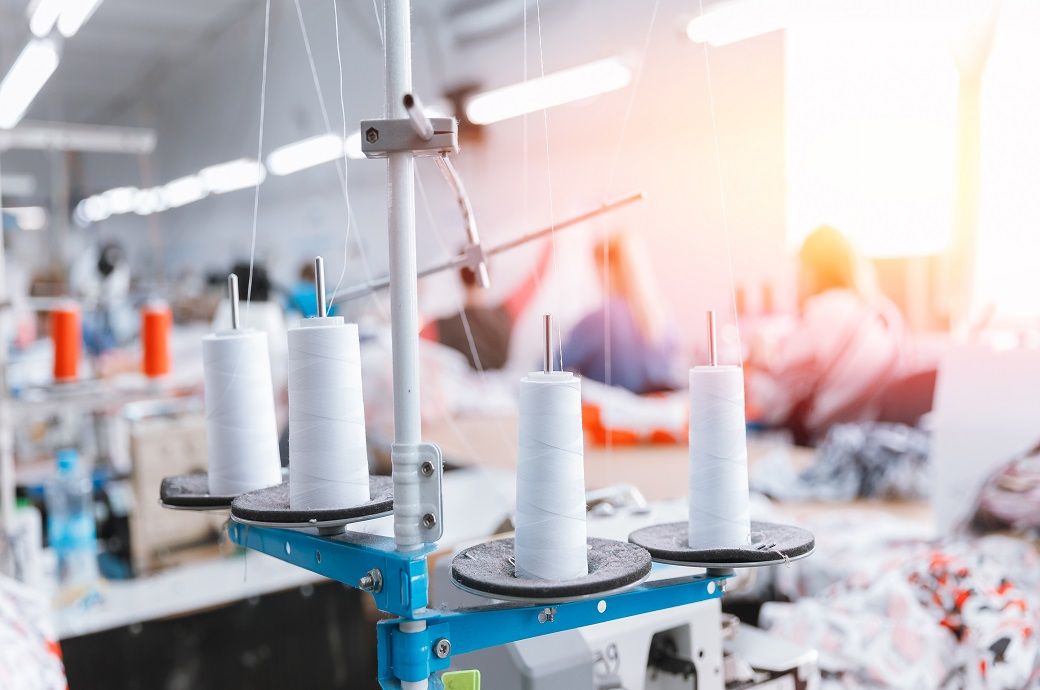
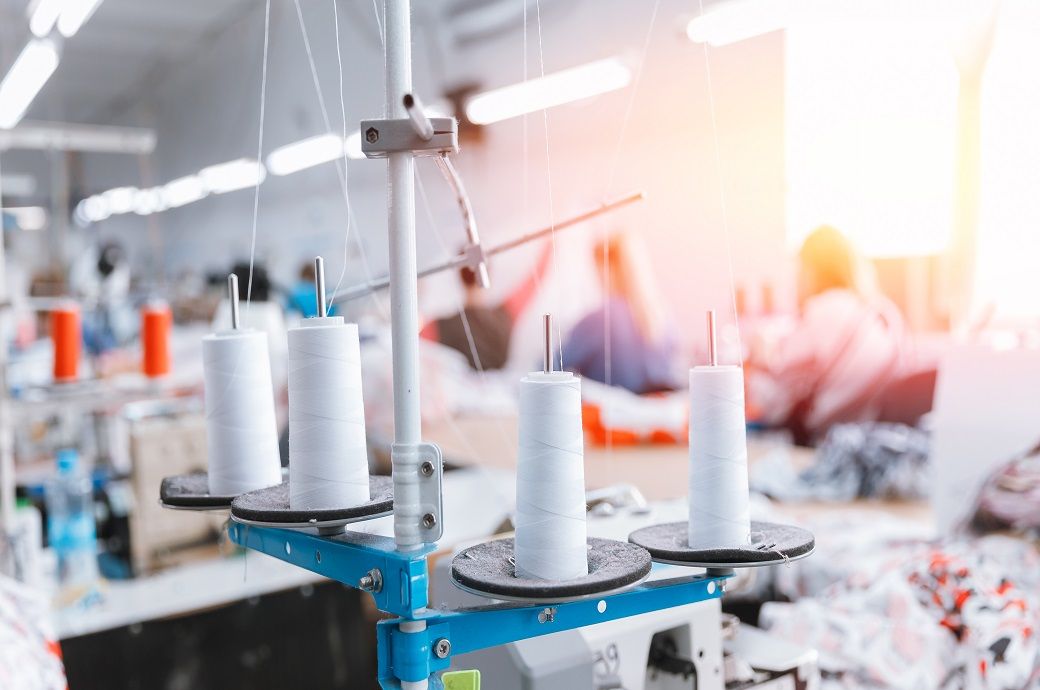
Trade and industry secretary Cristina A Roque said foreign buyers told her automation is no longer optional, but has turned a baseline requirement globally.
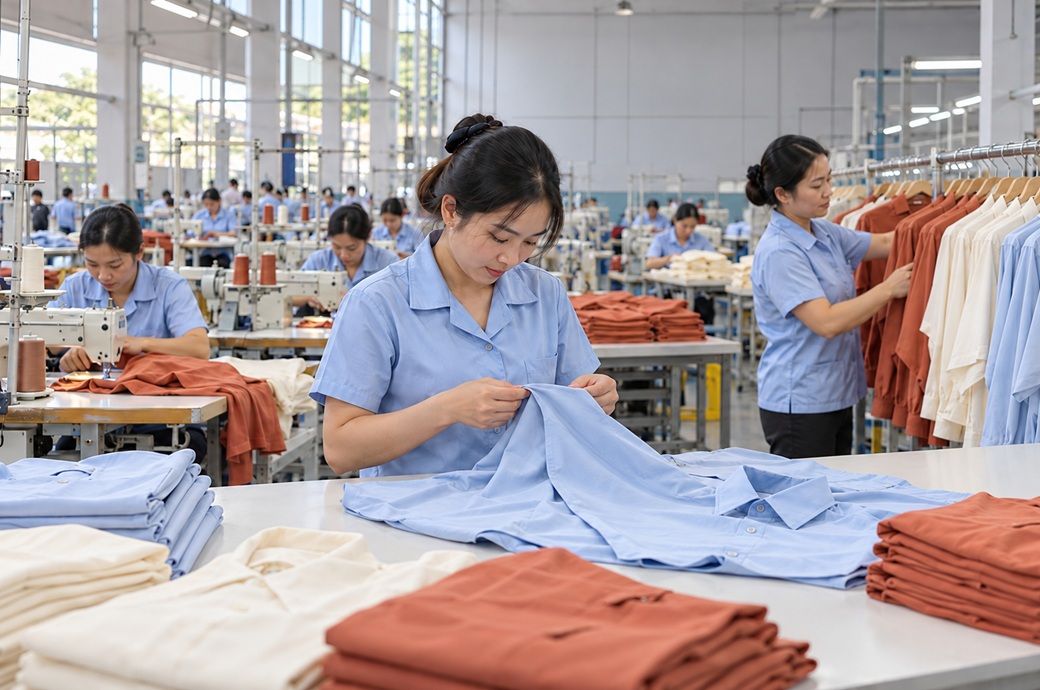
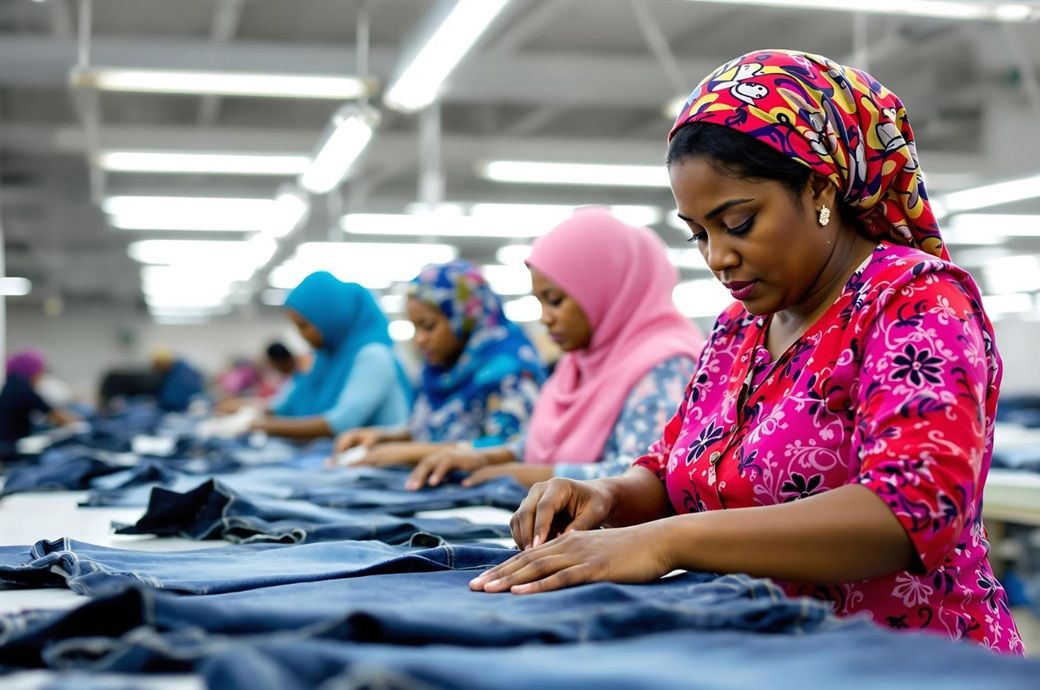
The Philippines will provide ‘flexible financing’ to domestic garment manufacturers for automation, machinery and production equipment to make them more competitive in the global market.
Incentives under the DTI’s Board of Investments will support mechanised and digital garment production, while the Philippine Economic Zone Authority will offer a comprehensive package for export-oriented garment firms.
“They expressed a clear preference for exporters with modern, automated production equipment, as short lead time is now the deciding factor, especially for fast-fashion brands,” Roque was cited as telling a recent meeting with garments manufacturers by a domestic media outlet.
Therefore, the department will work with institutions like the Land Bank of the Philippines and the Development Bank of the Philippines to provide flexible financing, she said.
Incentives under the DTI’s Board of Investments will support mechanised and digital garment production, while the Philippine Economic Zone Authority’s (PEZA) incentives will offer a comprehensive package of fiscal and non-fiscal support for export-oriented garment firms located within PEZA special economic zones, she said.
The department will also study proposals by the domestic garment industry aimed at enhancing overall cost competitiveness, including potential reductions in value-added tax rates to levels comparable to those of ASEAN peers and expanded fiscal support for existing firms and subsidiaries.
Fibre2Fashion (DS)