
 1 / 10
Rank Movement: The world’s strongest passports list for 2026 is out, and India has moved up five places to rank 80th on the Henley Passport Index. The rise offers limited gains in mobility for Indian passport holders, who now have wider travel access than last year, though India remains far behind the highest-ranked passports globally in terms of visa-free reach.
 2 / 10
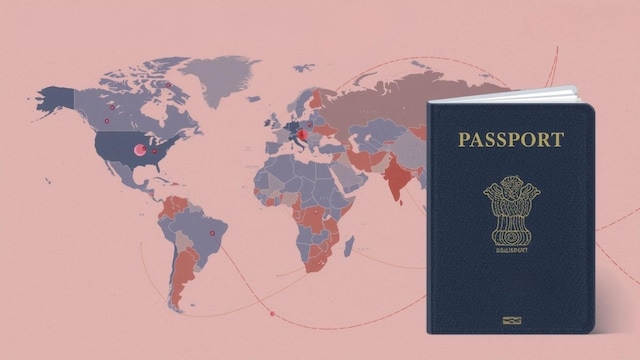
Access Count: According to the London-based global citizenship advisory firm Henley & Partners, Indian citizens can now travel to 55 countries and territories without a prior visa or with a visa-on-arrival or electronic travel authorisation. India stood at 85th place in 2025, while it ranked 80th in 2024, indicating fluctuating but gradual changes in its global mobility position.
 3 / 10
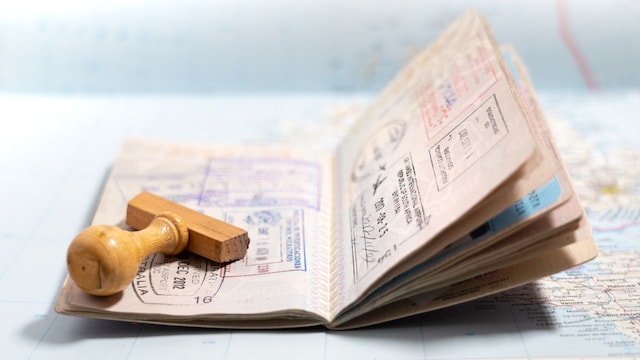
Index Method: The Henley Passport Index 2026 is compiled using exclusive data from the International Air Transport Association and tracks 227 destinations worldwide. It evaluates 199 passports based on how many locations holders can enter without obtaining a visa in advance, offering a comparative measure of travel freedom linked to diplomatic and economic standing. (Image: Shuttestock)
 4 / 10
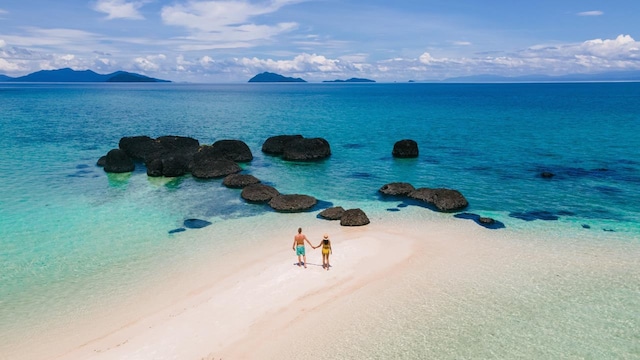
Asian Access: Indian passport holders have visa-free or facilitated entry to several Asian destinations. These include Bhutan, Nepal, Thailand, Indonesia, Malaysia, Maldives, Iran, Hong Kong SAR and Macao SAR. Sri Lanka allows entry through an electronic travel authorisation. These destinations form a significant share of India’s accessible travel options within the Asian region. (Image: Shutterstock)
 5 / 10
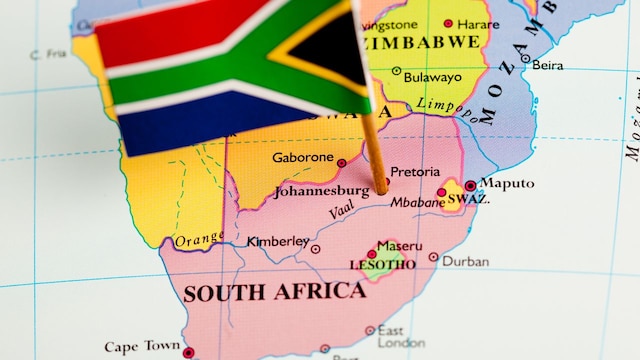
African Routes: In Africa, Indian travellers can access Kenya, Tanzania, Zimbabwe, Senegal, Mauritius, Seychelles, Mozambique and Rwanda without a prior visa or with simplified entry. These destinations contribute to India’s overall access count, though visa conditions vary and may involve visa-on-arrival or electronic permissions, subject to periodic policy changes by host countries.
 6 / 10
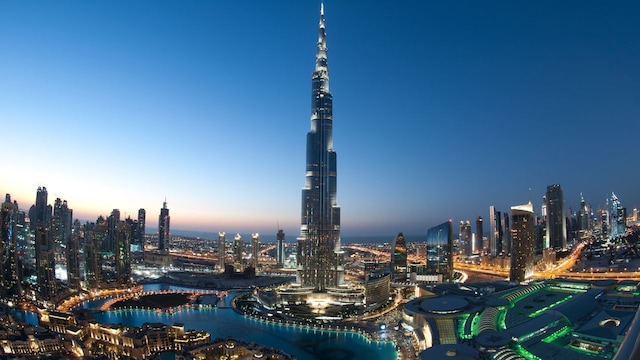
Middle East: In the Middle East, Qatar offers visa-on-arrival access to Indian passport holders. This limited presence highlights the narrow scope of visa-free or simplified entry options for Indians in the region, compared with Asia or island nations, underscoring uneven regional distribution of travel access reflected in the 2026 index rankings. (Image: Canva)
 7 / 10
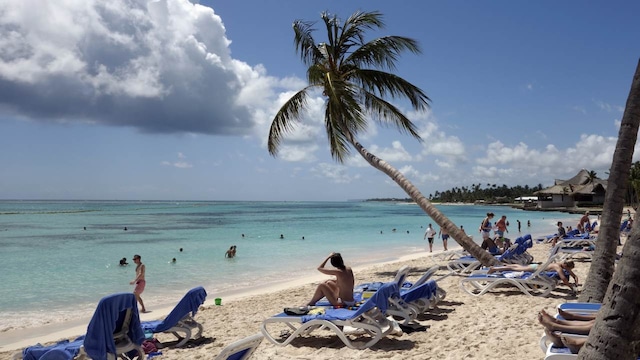
Island Nations: Several Caribbean and Pacific island nations allow entry to Indian citizens with minimal visa requirements. Caribbean destinations include Barbados, Jamaica, Trinidad and Tobago, Grenada, Saint Vincent and the Grenadines, Dominica, Haiti and Montserrat. In the Pacific, access extends to Fiji, Micronesia, Vanuatu, Palau and Samoa.
 8 / 10
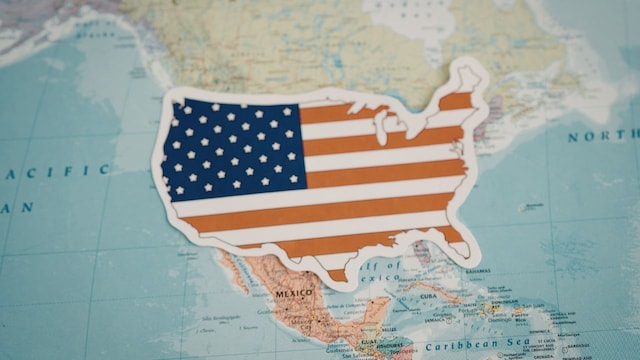
Americas List: In the Americas, Indian passport holders can travel to Bolivia and El Salvador under visa-free or simplified entry arrangements. Across all listed destinations, Henley & Partners noted that visa terms may differ between visa-free access, visa-on-arrival and electronic authorisation, and such conditions are subject to change based on bilateral agreements. (Image: Canva)
 9 / 10
Top Rankings: At the top of the 2026 index, Asian passports dominate. Singapore retained first place for the third consecutive year, offering visa-free access to 192 destinations. Japan and South Korea are tied for second with access to 188 destinations each. Denmark, Switzerland, Sweden, Spain and Luxembourg share third place with access to 186 destinations. (Image: Reuters)
 10 / 10
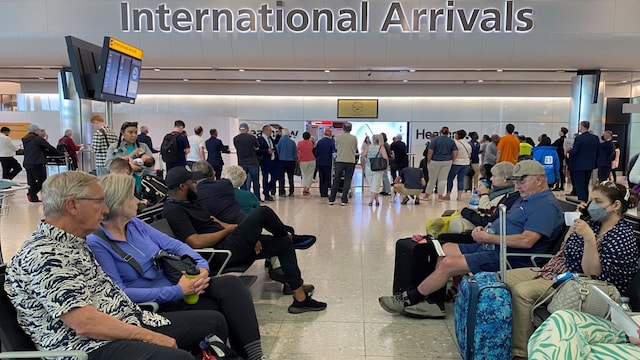
Global Shifts: The United Arab Emirates climbed five spots to rank fifth, marking the strongest performance in the index’s 20-year history after gaining access to 149 destinations since 2006. The United States returned to the top 10 at tenth place after slipping to 12th last year. Afghanistan ranked last at 101st, while Pakistan placed 98th. (AP Photo)