

 1 / 10
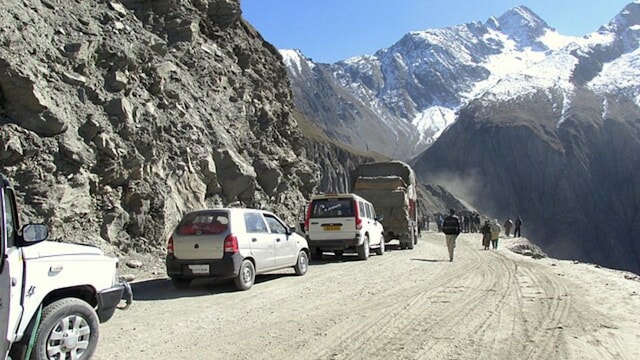
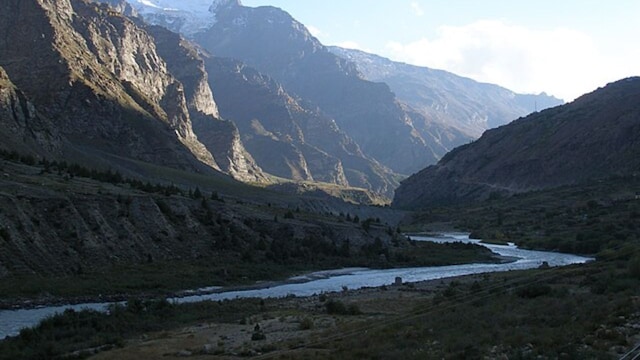
1. Zoji La Pass – Jammu & Kashmir: Zoji La, linking Srinagar to Ladakh, is one of India’s most treacherous mountain passes, with narrow hairpin bends carved into cliffs and frequent landslides. Heavy snowfall and avalanches often block the route in winter, making it accessible only for a few months a year. The road demands respect and careful driving, even in summer. (Picture: Wikimedia Commons)
 2 / 10
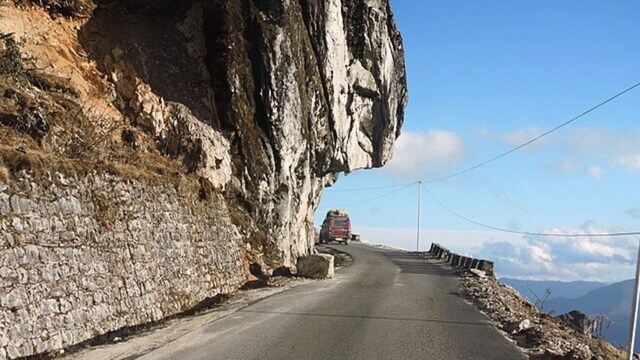
2. Leh-Manali Highway – Himachal Pradesh to Ladakh: Stretching over rough, high-altitude terrain, the Leh-Manali Highway crosses multiple passes above 4,000 m, including Rohtang and Baralacha La. Sudden weather changes, narrow stretches and minimal guardrails make it a bucket-list drive for adventure seekers, not the faint-hearted. Seasonal closures due to snow add to its perilous reputation. (Picture: Wikimedia Commons)
 3 / 10
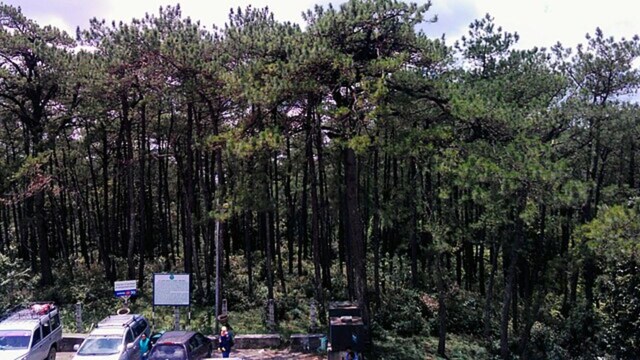
3. Guwahati-Shillong Road – Assam to Meghalaya: The Guwahati to Shillong stretch winds through the Shillong Plateau, with sharp bends, steep descents and heavy rain during monsoon. Frequent landslides and narrow carriageways make this one of Northeast India’s most challenging drives. The region’s lush terrain adds beauty but also risk for travellers. (Picture: Wikimedia Commons)
 4 / 10
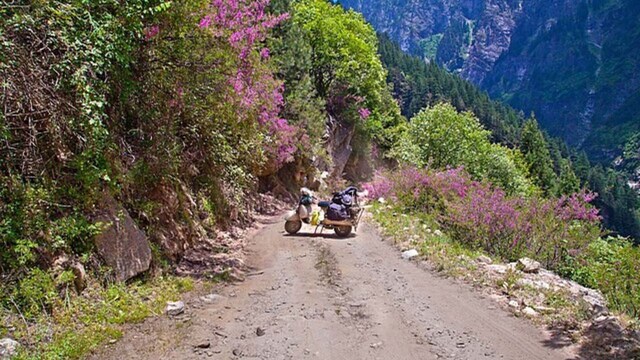
4. Killar–Chamba Road – Himachal Pradesh: Known for its steep gradients and numerous sharp turns, the road to Killar in the Chamba district demands full attention from drivers. Frequent rockfalls, narrow stretches and sudden weather shifts elevate its danger level. It’s a prized route for thrill-seeking motorcyclists and road trippers. (Picture: Wikimedia Commons)
 5 / 10
5. Kishtwar-Doda Road – Jammu & Kashmir: The Kishtwar-Doda route traverses rugged, rocky terrain with steep drop-offs and minimal safety barriers. In winter, snow and ice add to the risk, and in summer, occasional landslides can cut off access. The combination of remoteness and natural hazards makes this a road where preparedness is essential. (Picture: Wikimedia Commons)
 6 / 10
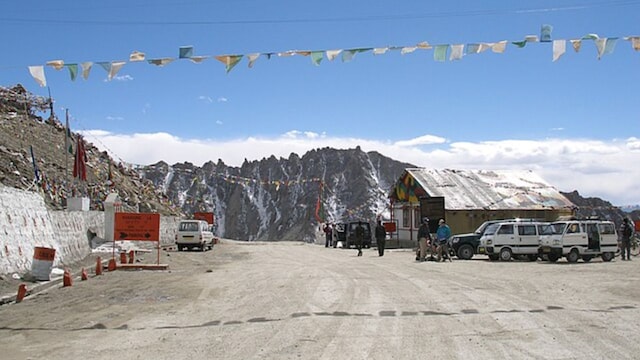
6. Khardung La – Ladakh: Khardung La, one of the highest motorable roads in the world, sits at over 18,000 feet above sea level and connects Leh with the Nubra Valley. Extreme altitude, thin oxygen levels and unpredictable weather make this route physically demanding and potentially dangerous. Despite the risks, it remains a bucket-list drive for adventure travellers. (Picture: Wikimedia Commons)
 7 / 10
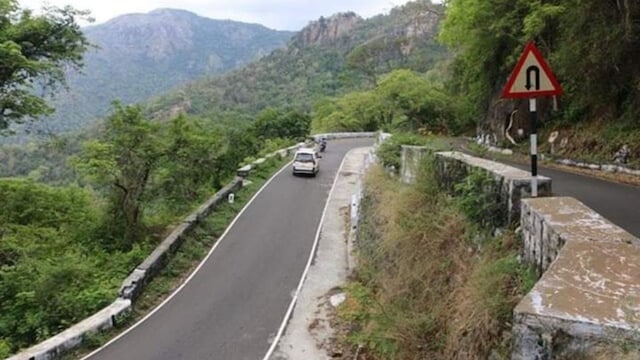
7. Kolli Hills Road – Tamil Nadu: Kolli Hills Road in Tamil Nadu is famous for its 70 continuous hairpin bends, cutting through dense forests of the Eastern Ghats. The narrow, winding ascent offers stunning views but demands skilled driving, especially during the monsoon when fog and slippery surfaces reduce visibility. It is a favourite among thrill-seeking bikers and road-trip enthusiasts. (Picture: Wikimedia Commons)
 8 / 10
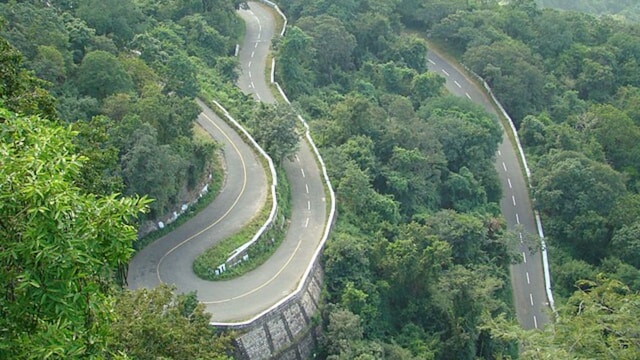
8. Valparai Ghat Road – Tamil Nadu: The Valparai Ghat Road winds through tea plantations and rainforest terrain in the Anamalai Hills, with steep curves and sudden elevation changes. Frequent wildlife crossings, heavy rain and misty conditions make this scenic stretch both beautiful and risky. Drivers must stay alert, particularly at dawn and dusk. (Picture: Wikimedia Commons)
 9 / 10
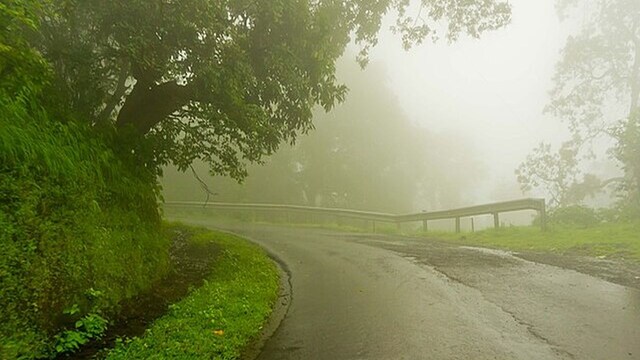
9. Neral–Matheran Road – Maharashtra: The Neral–Matheran road climbs sharply through the Western Ghats to reach the hill station of Matheran, India’s only vehicle-free hill town. Narrow turns, steep gradients and limited visibility make the drive challenging, especially during the monsoon season. The route rewards careful travellers with sweeping valley views. (Picture: Wikimedia Commons)
 10 / 10
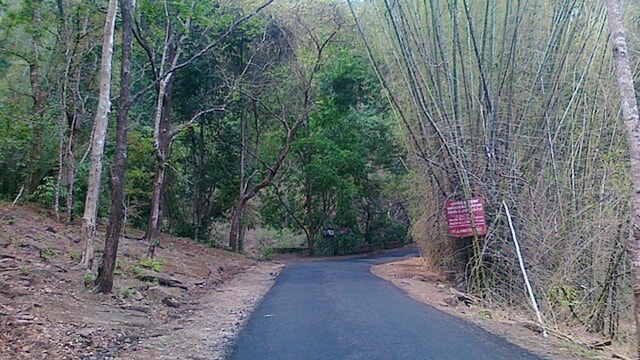
10. Vazhachal Road – Kerala: The Vazhachal stretch near the Athirappilly waterfalls is visually spectacular but hazardous, with rain-slicked roads, sharp bends and narrow bridges. During the monsoon, landslides and fast-flowing streams increase danger significantly. Tourists are advised to check conditions before driving here. (Picture: Wikimedia Commons)