
The study covered six processes: knitting, weaving, wet processing, cutting, sewing and end-finishing . It explored whether technological convergence was taking place across firms and tasks.
The eight products covered included knit-lingerie, denim trouser, sweater, T-shirt, jacket, woven trouser, woven shirt and home textile.
Bangladesh saw a garment productivity boost in cutting and knitting due to automation and technological upgradation, while jacket production has seen high efficiency, a study revealed.
The garment industry maintained a compound annual productivity growth rate of 4.19 per cent in 10 years.
Cutting saw an annual productivity rise of 11.13 per cent, knitting 9.85 per cent and wet processing 6.11 per cent.
Automation-intensive areas drove the strongest performance, with cutting achieving an annual productivity increase of 11.13 per cent, knitting 9.85 per cent and wet processing 6.11 per cent, the study revealed.
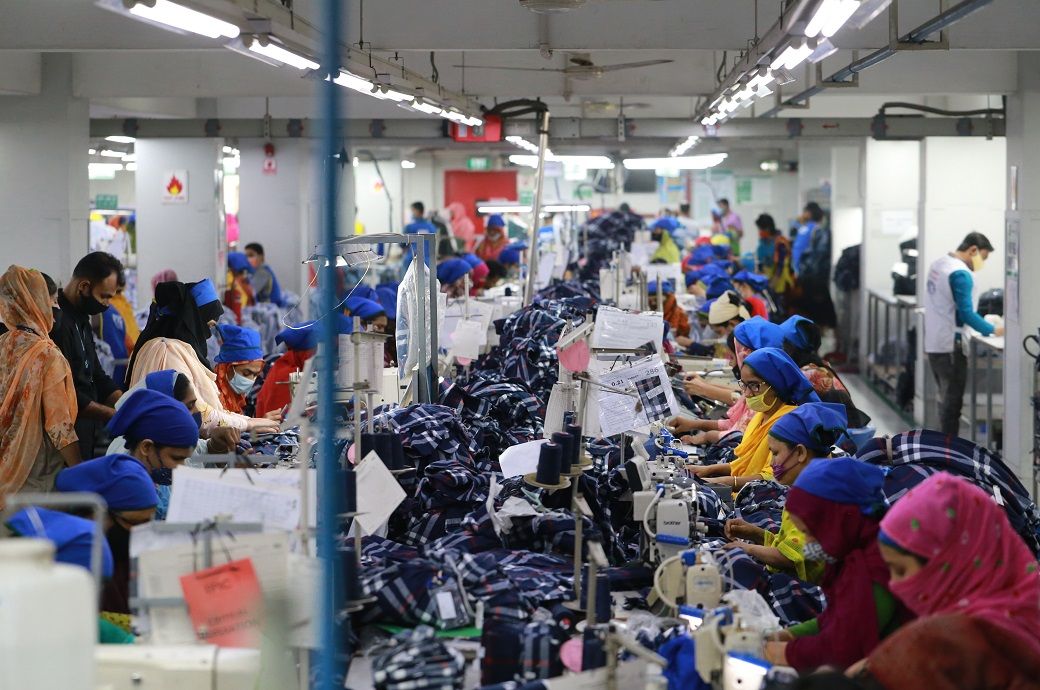
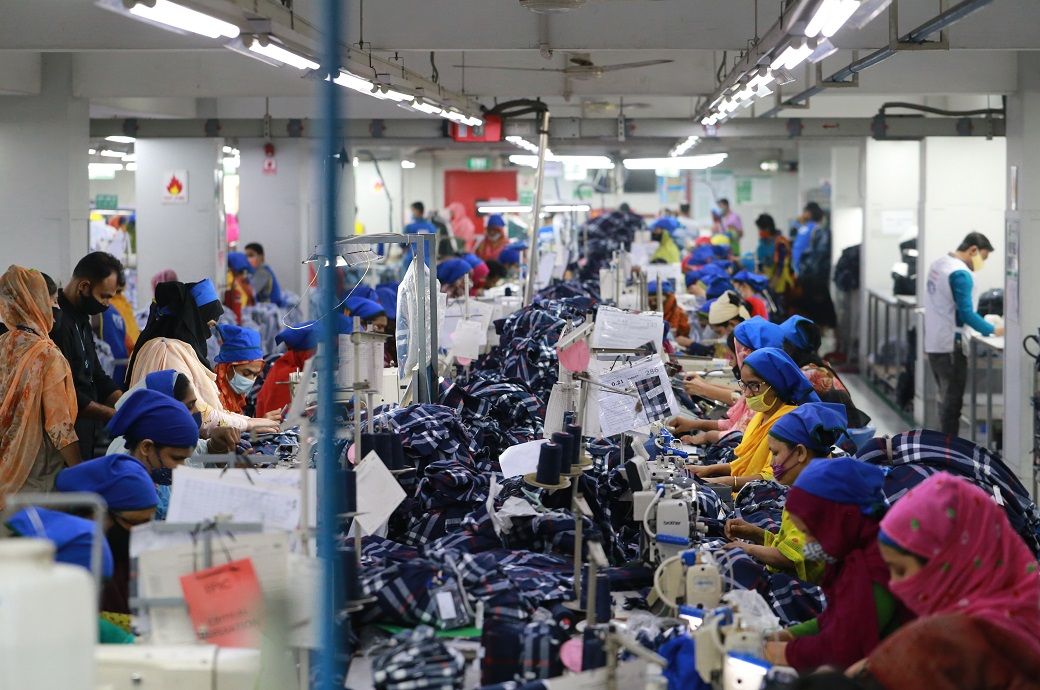
In contrast, sewing, which remained the least automated and most labour-dependent component of the production chain, posted the lowest growth of 3.57 per cent.
Weaving and end finishing gained moderate growth of 4.43 per cent and 4.78 per cent respectively.
The garment industry maintained a compound annual productivity growth rate of 4.19 per cent during the last 10 years, domestic media outlets reported citing the study.
Jackets and knit lingerie emerged as the top-performing categories with 6.59 per cent and 6.43 per cent average annual productivity growth respectively, while traditional woven items like trousers and shirts showed significantly slower growth of 1.15 per cent and 3.0 per cent growth respectively.
Other products showing strong productivity growth included knit sweaters (6.05 per cent), home textiles (5.58 per cent), and T-shirts (4.39 per cent).
Technologies previously exclusive to large companies, including automated cutting, semi-automatic sewing heads, laser/ozone finishing, auto-dosing in dyeing, and digital QC tools, were becoming widespread in medium-scale factories, the study found.
Fibre2Fashion News Desk (DS)