
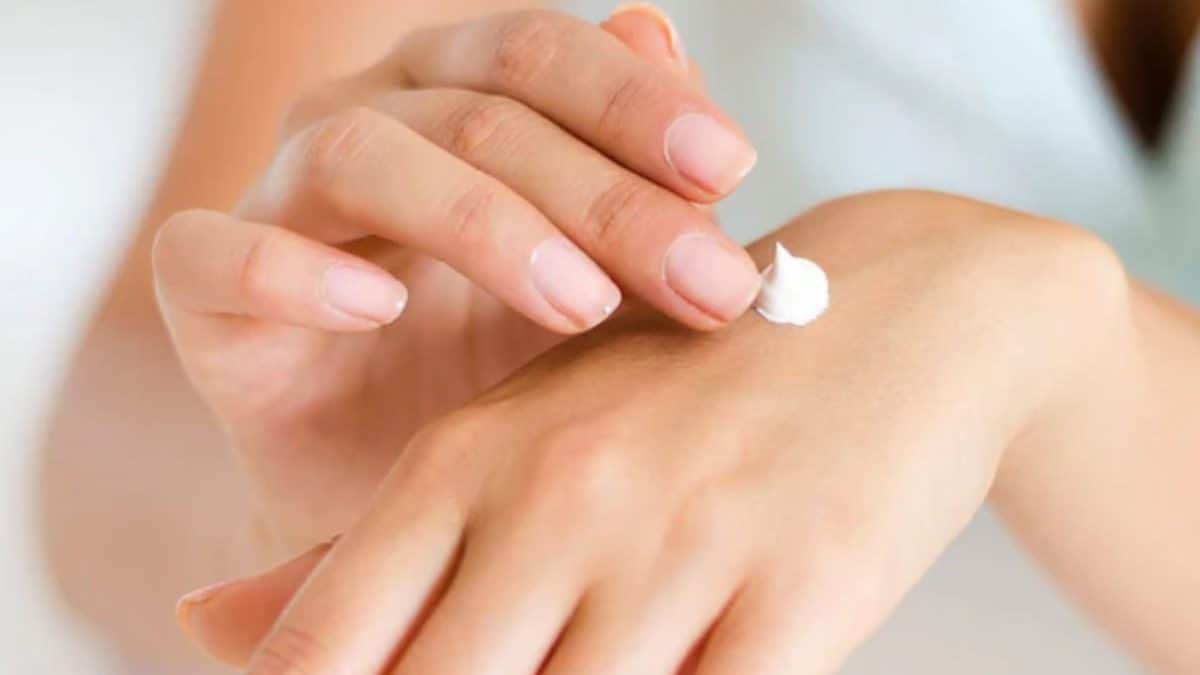

Long before multinational beauty brands filled store shelves, a humble green tube made its way into Indian homes, carrying with it the spirit of the ‘Swadeshi’ movement. That tube was Boroline. Ninety-five years later, this all-purpose cream continues to remain an indispensable part of household medicine kits, a silent companion for cuts, burns, cracked heels, and skin irritations. (News18 Hindi)

Boroline’s story dates back to 1929, when Kolkata-based businessman Gourmohan Dutta, then an importer of foreign medicines, decided to establish GD Pharmaceuticals. (News18 Hindi)
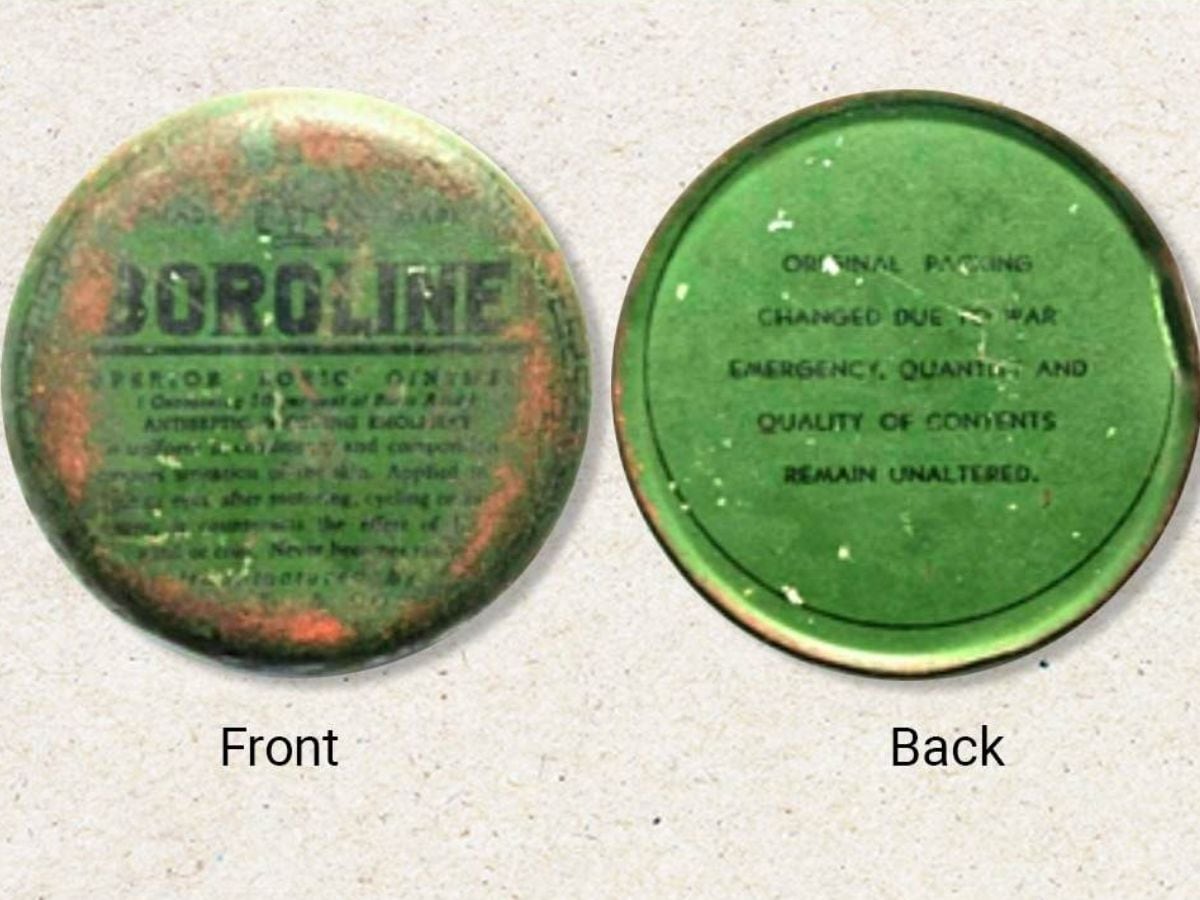
Inspired by the growing call for Swadeshi products during the freedom struggle, Dutta resolved to create an indigenous remedy that could stand on par with imported formulations yet remain affordable for every citizen. The outcome was a simple but powerful blend of boric acid, lanolin, and zinc oxide, a cream that promised healing and protection for all skin types. (News18 Hindi)

The early years were not without resistance. The British, wary of indigenous industry, attempted to stall its production, but Boroline steadily found its way into households across the country. From the cold winters of Kashmir to the humid summers of Kerala, the cream became a trusted ally across climates and generations. (News18 Hindi)
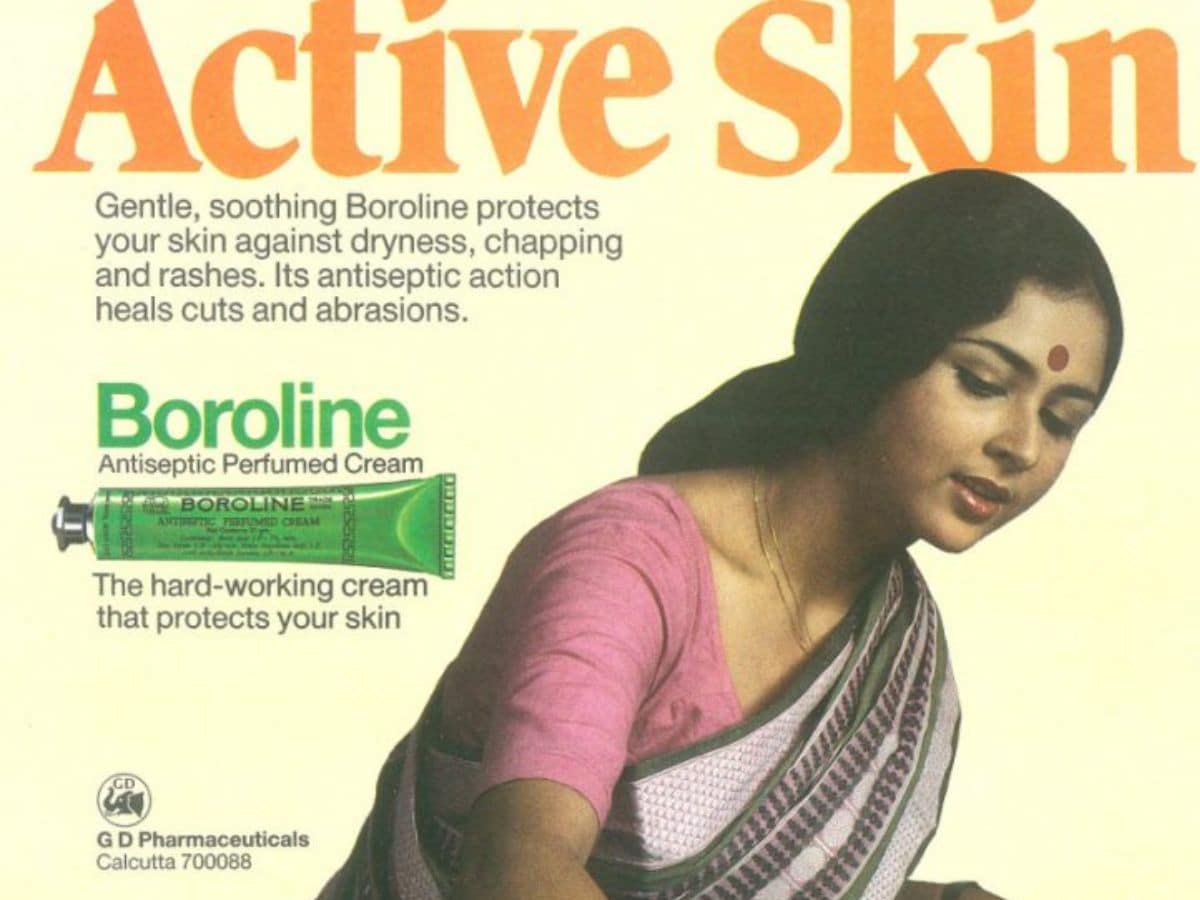
The brand’s rise was matched by its expansion. The first manufacturing unit was set up on a sprawling 20-acre estate at Chakbagi in West Bengal, followed later by a second facility in Mohan Nagar, Ghaziabad. Over the years, GD Pharmaceuticals diversified its portfolio with products like Suthol antiseptic liquid, Elan hair oil, Glosoft face wash, and Panorb liquid pain reliever. Yet, Boroline remained the flagship, selling in higher volumes every winter, when demand for its healing touch peaked. (News18 Hindi)
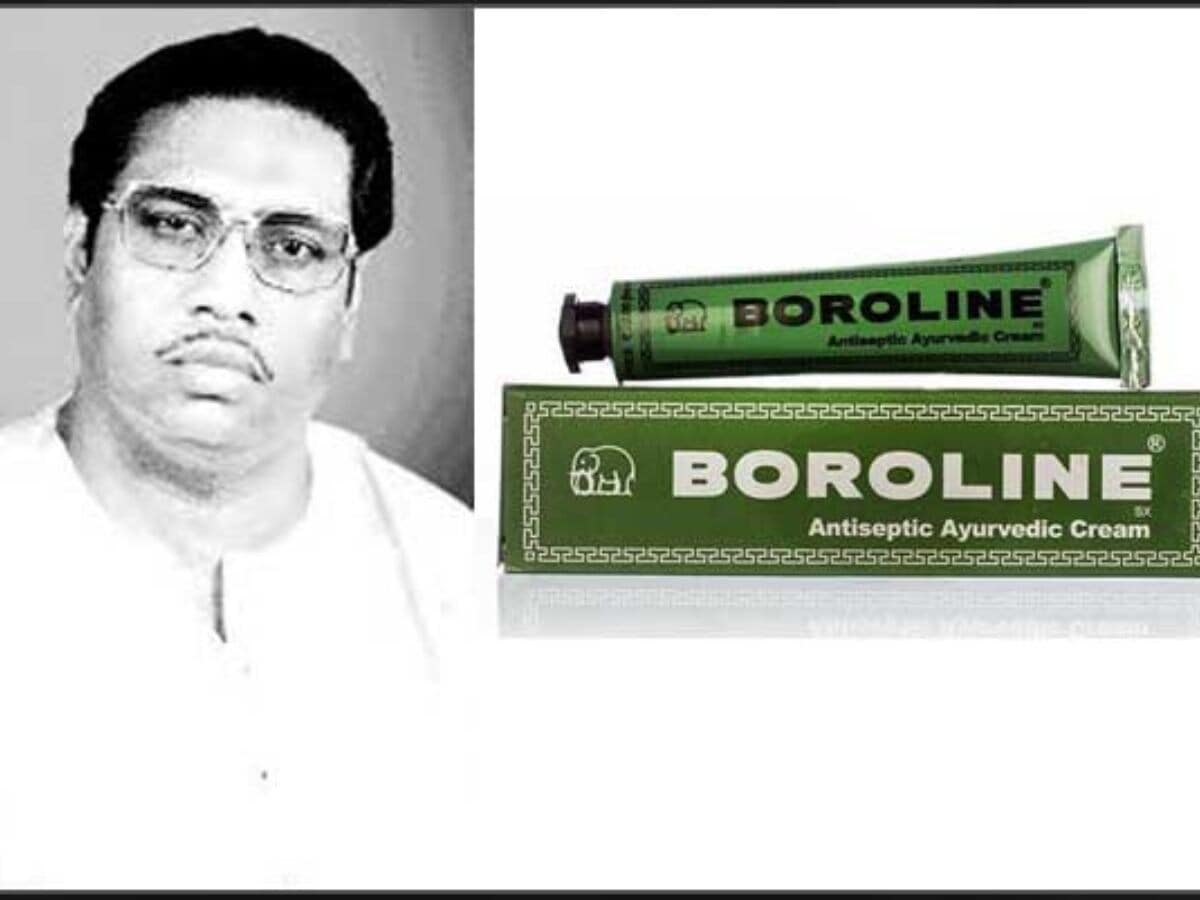
The name itself carries a legacy. “Boro” was derived from boric powder, while “oline” came from the Latin word olein. Its distinctive elephant logo, unchanged for over eight decades, symbolised auspiciousness and strength, so much so that Boroline is still fondly called the “elephant cream” in many households. (News18 Hindi)
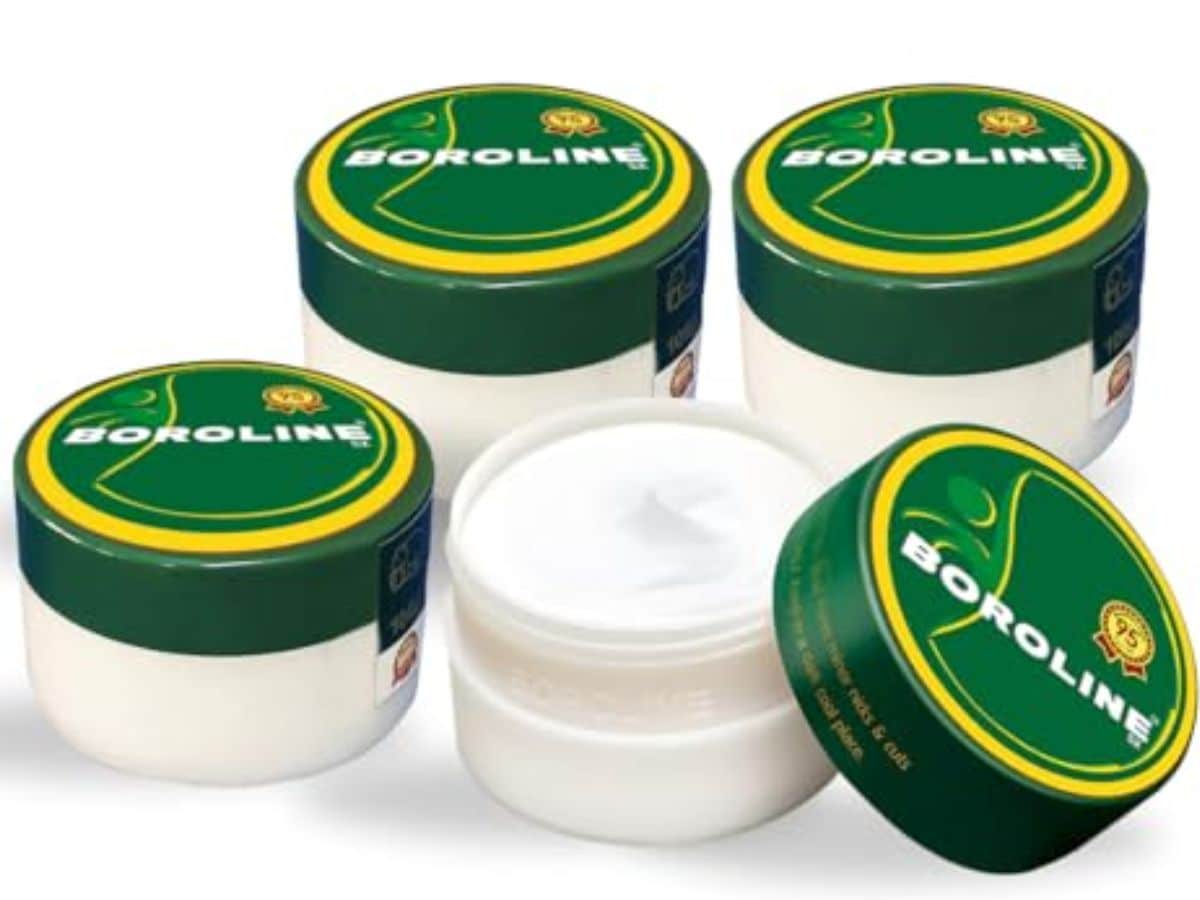
Boroline’s connection with India’s freedom struggle was further underscored at Independence. On August 15, 1947, Gourmohan’s son, Debasis Dutta, then Managing Director, distributed over one lakh tubes of Boroline free of cost to mark the historic occasion. Newspapers in Calcutta (now, Kolkata) carried advertisements celebrating the country’s freedom alongside the cream that had by then become a household name. (News18 Hindi)
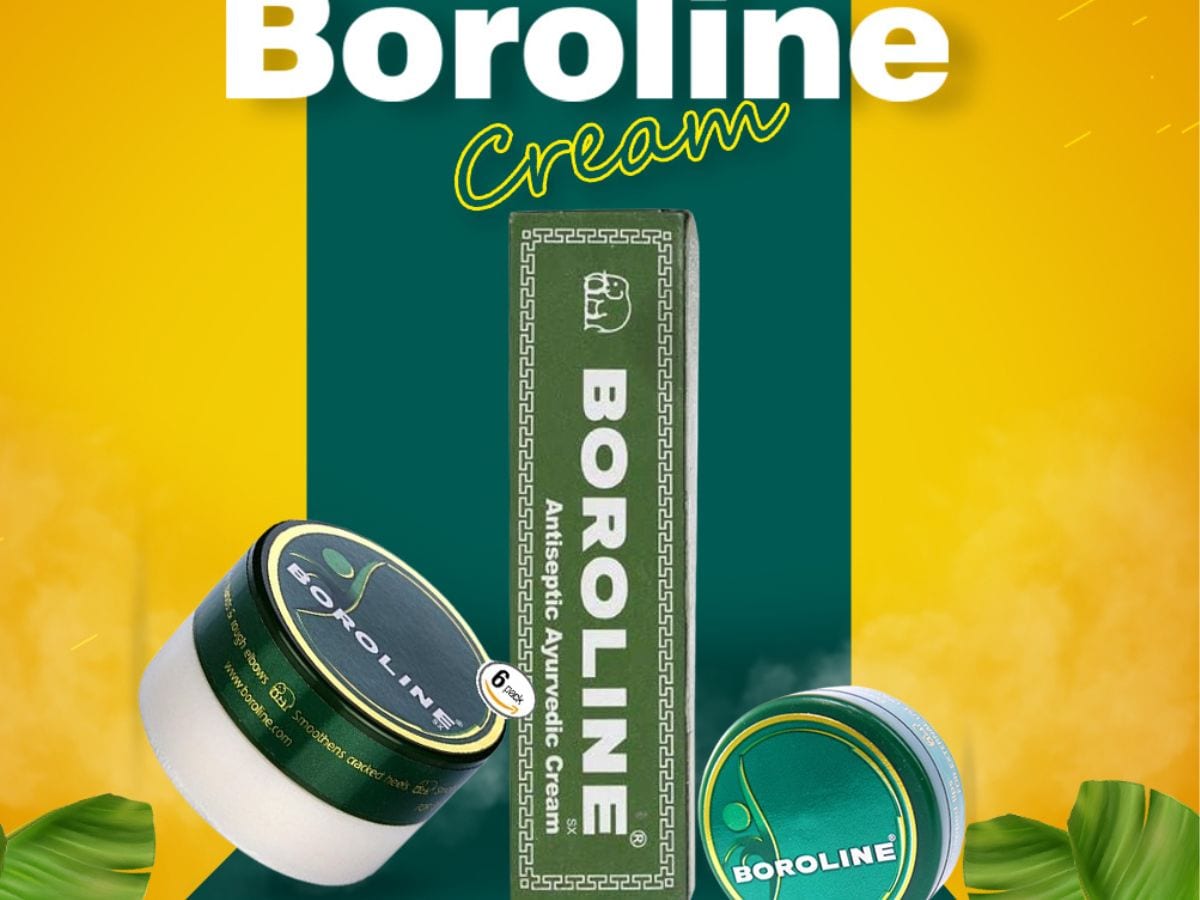
Over the decades, the cream found its way into the routines of leaders and celebrities alike, including Jawaharlal Nehru and some of Indian cinema’s biggest stars. Today, the company’s products are not only registered across India but also in countries like Oman, Turkey, Bangladesh, and the UAE. (News18 Hindi)